5 Tips for Pollinating Dichondra repens
Dichondra repens
By the Greg Editorial Team
Jul 24, 2024•4 min read
This article was created with the help of AI so we can cover more plants for you. May contain errors. See one? Report it here.
Unlock the hidden world of Dichondra repens' pollination 🌼 and boost your garden's ecosystem!
- 🌼 Dichondra repens' unique flower structure ensures efficient pollination.
- 🐝 Attract pollinators with companion planting and organic practices.
- 🤲 Hand pollination is a backup when natural pollinators are absent.
Understanding Flower Structure
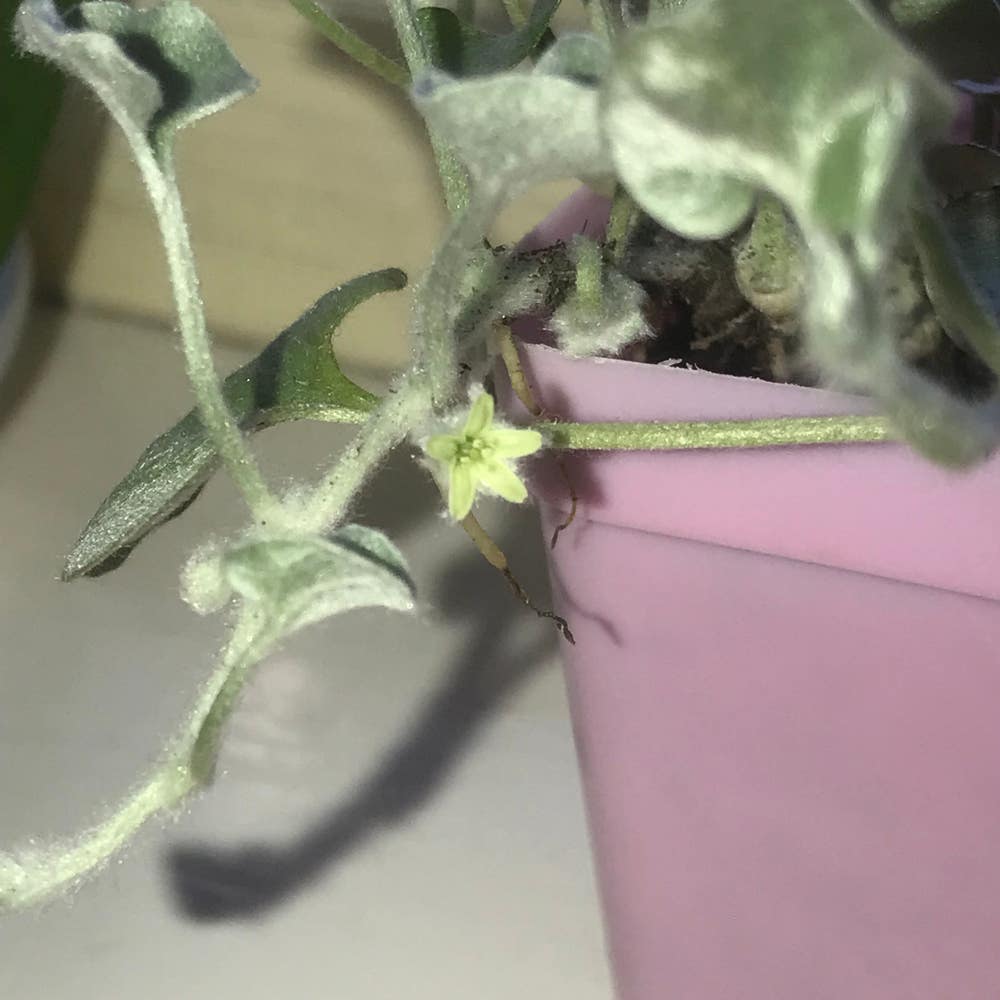
Dichondra repens, with its understated charm, sports a unique floral anatomy that's as functional as it is fascinating.
- The flowers are small, solitary, and typically axillary, meaning they grow from the axils of leaves.
- A greenish-white hue and a subtle tubular corolla characterize these blooms, which terminate in five narrow lobes, resembling a petite star.
The flower's structure is a masterclass in minimalist design, perfectly suited for its pollination strategy.
- The solitary nature of the flowers reduces competition for pollinators, ensuring each bloom gets its fair share of attention.
- The tubular base of the corolla guides potential pollinators to the reproductive parts, facilitating efficient pollen transfer.
Pollination Mechanics
Dichondra repens' pollination mechanics are a fascinating blend of botanical precision and ecological interplay. To understand this process, we must first determine whether it is predominantly self-pollinating or if it relies on cross-pollination.
🌼 Self-Pollination
- If Dichondra repens is self-pollinating, the plant has mechanisms in place to fertilize itself without the need for external pollinators.
- This could involve the strategic positioning of stamens and pistils to facilitate pollen transfer or the timing of floral development to ensure that pollen is available when the stigma is receptive.
🐝 Cross-Pollination
- In the case of cross-pollination, Dichondra repens would depend on pollinator species to transport pollen from one flower to another.
- These pollinators could include a range of insects or other animals attracted by the plant's flower structure, which is designed to facilitate pollen transfer.
Understanding the nuances of Dichondra repens' pollination mechanics is crucial for gardeners and plant enthusiasts. It informs how we can best support the plant's reproductive success, whether through encouraging natural pollinator visits or assisting with hand pollination when necessary.
Encouraging Successful Pollination
🌺 Natural Pollination Enhancement
To boost natural pollination in your garden, consider these strategies:
- Introduce a variety of flowering plants that bloom at different times, ensuring a constant food source for pollinators.
- Focus on organic pest control methods to protect pollinator species.
- Create a welcoming habitat with water sources and nesting sites, like a birdbath or a sheltered space with natural materials.
- Plant companion flowers like coreopsis, rudbeckia, gaillardia, and borage to attract a diverse pollinator crowd.
- Embrace plant diversity; a mix of flowers, shrubs, and trees supports a broader range of pollinators.
🤝 Hand Pollination Techniques
If natural pollinators are scarce, hand-pollinating Dichondra repens can be a game-changer. Here's how to do it:
- Identify the reproductive parts: Find the stamens and pistil within the Dichondra repens flower.
- Collect pollen: Use a small brush or cotton swab to gather pollen grains from the stamens.
- Transfer pollen: Gently apply the collected pollen onto the pistil of another flower.
- Perform these steps during the plant's peak flowering time to maximize the chances of successful pollination.
Overcoming Pollination Challenges
Dichondra repens may face hurdles in pollination due to environmental factors and care practices. Let's explore how to navigate these challenges effectively.
🐝 Common Issues Affecting Pollination
- Extreme temperatures can deter pollinator activity and harm pollen viability.
- Inconsistent watering may stress the plants, leading to suboptimal flower development.
- Overcrowding can create excessive humidity, hindering pollination.
🌿 Solutions to Environmental Challenges
- Use shade cloth or windbreaks to create a microclimate for protection against temperature extremes.
- Establish a regular watering schedule, tailored to seasonal changes, to maintain consistent soil moisture.
- Ensure proper plant spacing to facilitate air circulation and prevent high humidity levels.
🌺 Attracting and Supporting Pollinators
- Introduce a variety of flowering plants that bloom sequentially, providing a steady food source for pollinators.
- Minimize pesticide use, opting for organic pest control methods to create a safer environment for pollinator species.
- Consider hand-pollination techniques in areas with scarce natural pollinators, following a step-by-step guide for effective pollen transfer.
⚠️ Safety First
This content is for general information and may contain errors, omissions, or outdated details. It is not medical, veterinary advice, or an endorsement of therapeutic claims.
Always consult a qualified healthcare professional before using any plant as food, medicine, or supplement.
Never eat any plant (or feed one to pets) without confirming its identity with at least two trusted sources.
If you suspect poisoning, call Poison Control (800) 222-1222, the Pet Poison Helpline (800) 213-6680, or your local emergency service immediately.
Spotted an error? Please report it here.
Ensure your Dichondra repens enjoys successful pollination 🌼 with Greg's custom care reminders and tips for attracting a vibrant pollinator community.