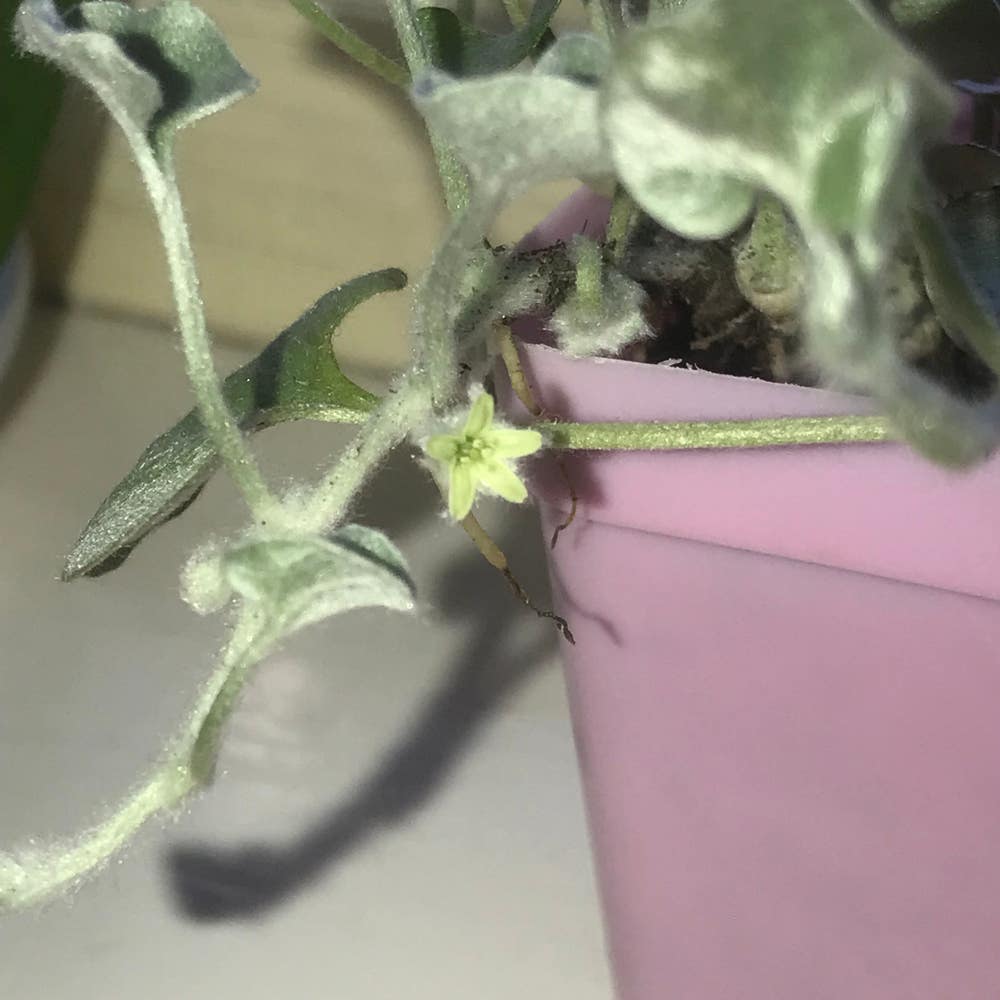
Best Companion Plants for Dichondra repens
Dichondra repens
By the Greg Editorial Team
Jul 24, 2024•3 min read
This article was created with the help of AI so we can cover more plants for you. May contain errors. See one? Report it here.
Craft a lush, low-maintenance garden utopia 🌿 by choosing the ideal companions for Dichondra repens.
- 🌱 Creeping thyme and Dichondra repens - a pest-deterring, weed-suppressing duo.
- 🌟 Blue Star Creeper contrasts Dichondra, attracting beneficial insects.
- 🚫 Avoid resource competitors and allelopathic plants to protect Dichondra repens.
Ideal Companions for Dichondra repens
🌿 Creeping Thyme
Creeping thyme and Dichondra repens are a match made in garden heaven. Both thrive with similar care, forming a lush tapestry that's as functional as it is beautiful.
- Creeping thyme's dense growth suppresses weeds, reducing garden maintenance.
- Its fragrant leaves deter pests, fostering a symbiotic relationship with Dichondra repens.
🍀 Irish Moss
Irish moss adds a touch of magic to the Dichondra repens' carpet with its soft, verdant texture.
- The visual harmony between the two creates a seamless green expanse.
- Irish moss's low-growing habit supports garden diversity without overshadowing its partner.
🌸 Blue Star Creeper
Blue Star Creeper's delicate blossoms offer a striking contrast to Dichondra repens' solid green.
- This pairing is not just about looks; it's a strategic move for pest management.
- Blue Star Creeper attracts beneficial insects, acting as a natural defense system.
🌱 Corsican Mint
Corsican mint is more than just a culinary delight; it's a garden ally for Dichondra repens.
- Their shared love for well-draining soil and partial shade makes them easy companions.
- Mint's aromatic leaves are nature's pest repellent, contributing to a healthier garden ecosystem.
🌼 Baby's Tears
Baby's Tears bring a whimsical charm when paired with Dichondra repens, creating a texture-rich landscape.
- Their combined visual appeal elevates garden aesthetics.
- Baby's Tears' ease of care complements Dichondra repens, enhancing overall garden diversity.
Incompatible Plants for Dichondra repens
🌱 Resource Competitors
Dichondra repens thrives in environments where it doesn't have to fight for water and nutrients. Here are plants to avoid:
- Large trees and shrubs: Their extensive root systems can out-compete Dichondra for soil resources.
- Fast-growing ground covers: Plants like Kudzu can quickly overpower Dichondra, stealing vital nutrients and sunlight.
- Invasive species: Such as Wireweed (Polygonum aviculare), which aggressively compete for the same ecological niche.
🌿 Allelopathic Plants
Allelopathy is when plants release chemicals that can inhibit the growth of surrounding flora. Keep Dichondra repens away from:
- Black Walnut trees: They secrete juglone, a compound harmful to many plant species, including Dichondra.
- Eucalyptus: Known for its allelopathic properties, it can suppress the growth of nearby plants.
- Sunflowers and Ragweed: These plants can also have allelopathic effects that might negatively impact Dichondra repens.
Planning Your Companion Garden
When planning your companion garden, the key is to consider both the functional and visual aspects. Dichondra repens, with its lush, mat-forming habit, pairs well with plants that enhance its growth and complement its beauty.
- Start by assessing the light and soil conditions of your garden to ensure that your chosen companions thrive alongside Dichondra repens.
- Arrange taller plants strategically to provide intermittent shade, preventing the delicate leaves of Dichondra repens from scorching under intense sun.
- Create contrast and depth by placing plants with different textures or colors near your Dichondra repens. This not only adds visual interest but can also attract beneficial insects.
- Remember to space plants properly to avoid overcrowding and competition for resources. This spacing will promote healthy growth and allow each plant to display its unique characteristics.
Encourage experimentation within your garden's design. Try different plant combinations to discover what works best for your space and creates a harmonious balance. Keep in mind the symbiotic relationships that can form—some plants may help repel pests naturally, reducing the need for chemical interventions. With a little creativity and consideration for Dichondra repens' needs, you can cultivate a garden that is both stunning and sustainable.
⚠️ Safety First
This content is for general information and may contain errors, omissions, or outdated details. It is not medical, veterinary advice, or an endorsement of therapeutic claims.
Always consult a qualified healthcare professional before using any plant as food, medicine, or supplement.
Never eat any plant (or feed one to pets) without confirming its identity with at least two trusted sources.
If you suspect poisoning, call Poison Control (800) 222-1222, the Pet Poison Helpline (800) 213-6680, or your local emergency service immediately.
Spotted an error? Please report it here.
Pair Dichondra repens with its ideal garden companions for a magical touch 🌟, and rely on Greg for tailored care reminders that ensure every plant thrives together.