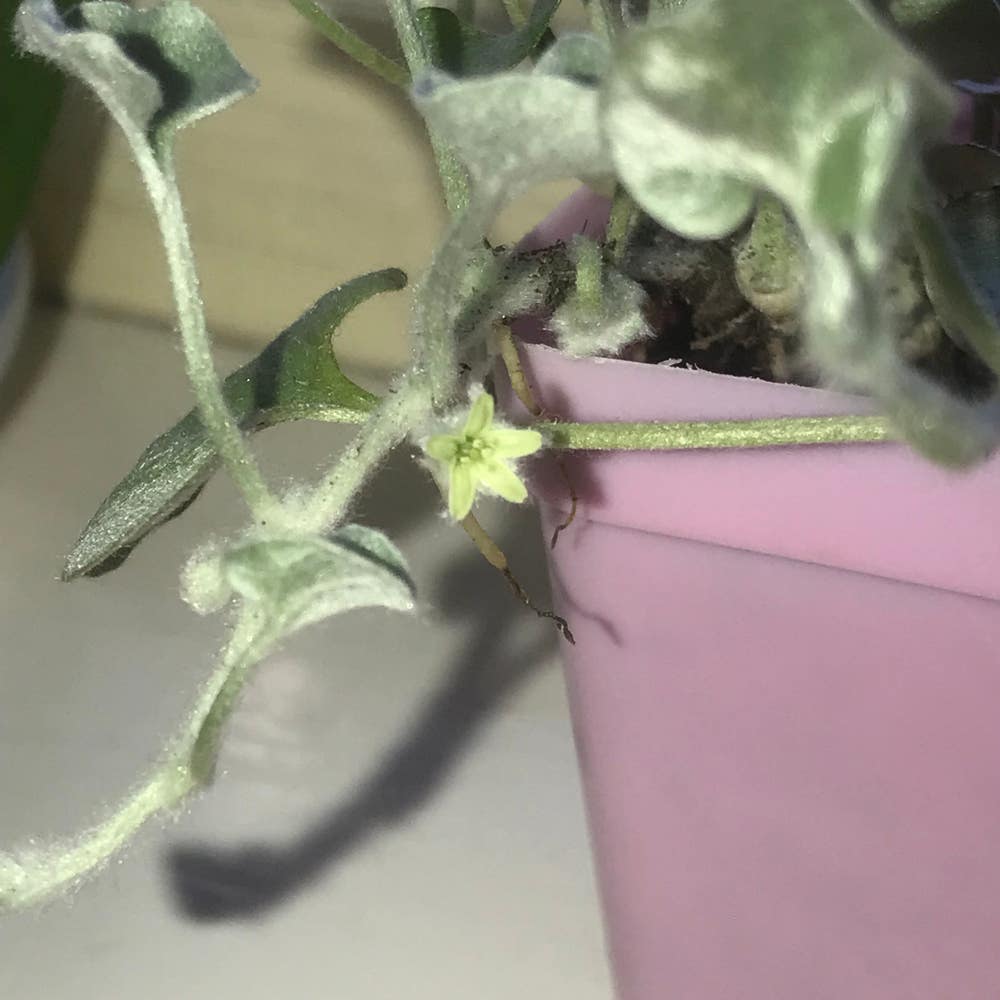
What Do Dichondra repens Flowers Mean?
Dichondra repens
By the Greg Editorial Team
Feb 28, 2024•3 min read
This article was created with the help of AI so we can cover more plants for you. May contain errors. See one? Report it here.
Unearth the subtle signs of a thriving Dichondra repens through its blooms and boost your gardening savvy 🌱🔍.
- Flowers signal health: Blooms indicate Dichondra repens' well-being.
- Sunlight and pruning matter: Balance light and prune for more flowers.
- Subtle beauty speaks volumes: Modest blooms carry hidden messages of vigor.
When Dichondra Repens Decides to Bloom
🌸 The Lowdown on Dichondra Flowers
Dichondra repens, a ground cover known for its dense, lush foliage, surprises with its modest flowers. The blooms are small and often overlooked amidst the verdant leaves. They serve a crucial role in the plant's reproductive cycle, signaling readiness to propagate.
📊 Decoding the Blooms
Flowering in Dichondra repens can be a health indicator. Vigorous blooms suggest the plant's needs are met—adequate sunlight, proper watering, and nutrient availability. Conversely, a lack of flowers may prompt a review of care practices, ensuring the plant isn't languishing in unfavorable conditions.
Tailoring the Environment for Showtime
💡 Let There Be Light (But Not Too Much)
Dichondra repens, that unassuming ground cover, has specific light preferences when it's showtime—flowering time. It's a balancing act; too much sun and your Dichondra might as well be baking in an oven, too little and it's like living in a cave. Bright, indirect sunlight is the golden ticket to encourage those shy blooms. Rotate your plant to avoid a one-sided growth tragedy, ensuring all areas get their moment in the spotlight.
🌡️ Feeling the Heat (And the Moisture)
Temperature and humidity are the backup dancers to light in this performance. Think spring day vibes—not too hot, not too cold, with humidity that's just right. Avoid the drama of a tropical thriller or a desert epic. If your indoor air is drier than a stand-up comedian, consider a humidifier or a pebble tray to up the moisture. And remember, stability is key; no sudden temperature drops or spikes—your Dichondra repens isn't a fan of plot twists.
Grooming Your Dichondra for the Spotlight
✂️ Snip and Shape: Pruning for Prolific Blooms
Pruning isn't just a haircut for your Dichondra repens; it's a strategic intervention. Trimming encourages fuller growth and can stimulate flowering. Focus on removing any overgrown or dead parts to redirect the plant's energy. Remember, snipping is about finesse, not just chopping away—think bonsai, not lumberjack.
🛁 The TLC Routine: Maintenance That Matters
Regular maintenance is the unsung hero in the Dichondra repens' journey to bloom. Rotate your plant to ensure even growth, avoiding the lopsided effect of uneven light exposure. Dusting off leaves isn't just about cleanliness; it's about maximizing photosynthesis. Vigilance against pests is crucial; they're not just annoying, they're thieves stealing your blooms.
The Secret Message of Dichondra Flowers
🌼 More Than Just Green: What Flowers Mean for Dichondra repens
Unveiling the hidden messages behind Dichondra repens flowering can be as subtle as the blooms themselves. While Dichondra flowers are often overlooked due to their inconspicuous nature, they carry a significance that goes beyond their modest appearance.
Flowering Dichondra suggests a plant in its prime, ready to reproduce and thrive. It's a green flag that your ground cover is more than just a pretty face; it's a hardy survivor, determined to spread its genetic legacy.
Each tiny bloom is a testament to the plant's health and vigor. If you spot flowers, give yourself a pat on the back—you've provided an environment where Dichondra can not only grow but flourish.
In a world where showier plants often steal the spotlight, Dichondra's flowers are a nod to the beauty of subtlety. They remind us that sometimes, the most profound statements are whispered, not shouted.
Remember, not all plants scream for attention with bold blossoms. Some, like Dichondra repens, prefer to speak in hushed tones, revealing their secrets to those who take the time to listen.
⚠️ Safety First
This content is for general information and may contain errors, omissions, or outdated details. It is not medical, veterinary advice, or an endorsement of therapeutic claims.
Always consult a qualified healthcare professional before using any plant as food, medicine, or supplement.
Never eat any plant (or feed one to pets) without confirming its identity with at least two trusted sources.
If you suspect poisoning, call Poison Control (800) 222-1222, the Pet Poison Helpline (800) 213-6680, or your local emergency service immediately.
Spotted an error? Please report it here.
Unlock the subtle beauty and propagation secrets of Dichondra repens 🌼 with Greg's tailored care plans ensuring your ground cover thrives.