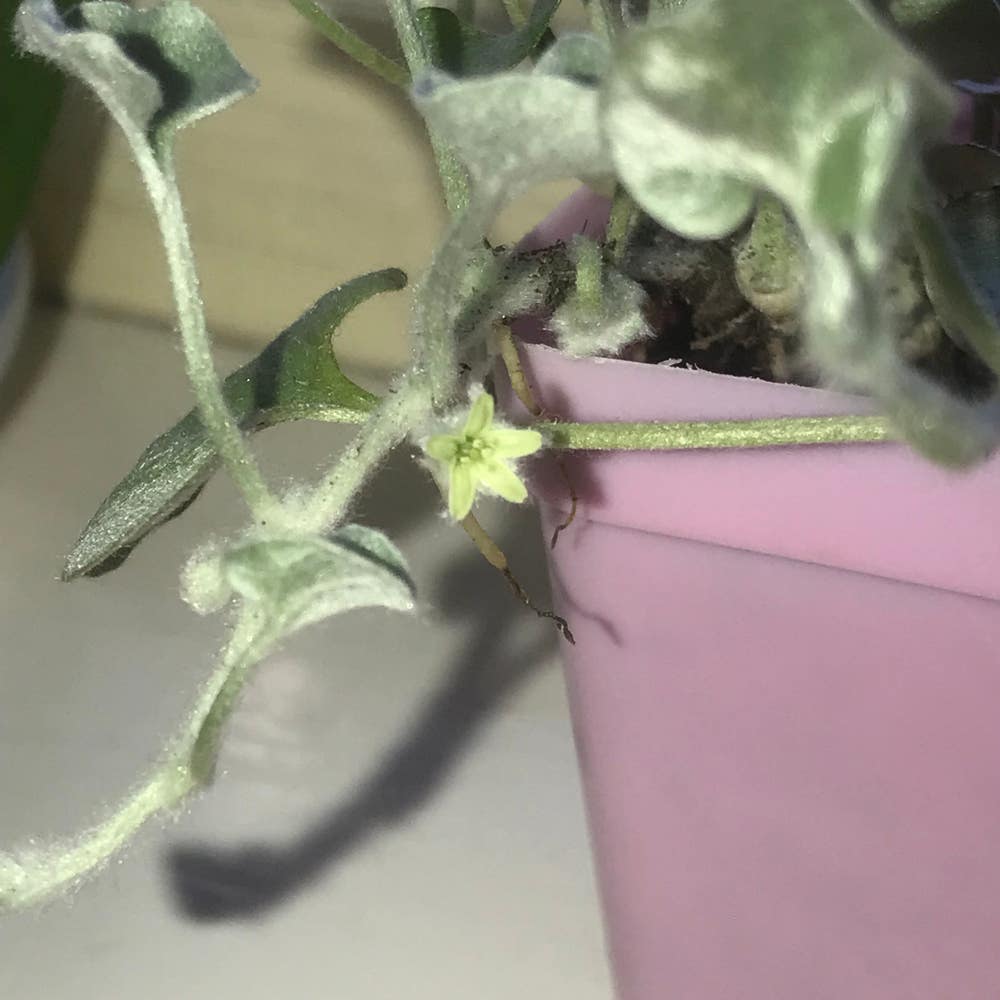
What to Do About Your Kidney Weed Wilting 💧
Dichondra repens
By the Greg Editorial Team
Nov 07, 2024•6 min read
This article was created with the help of AI so we can cover more plants for you. May contain errors. See one? Report it here.
Transform your wilting plants 🌱 into thriving beauties with these essential care tips for success!
- 💧🌱 Wilting in Kidney Weed can stem from overwatering or underwatering; check symptoms carefully.
- ☀️🔥 Heat stress causes curling leaves; relocate to a shadier spot for relief.
- 🛠️🌿 Regular monitoring and proper drainage prevent wilting and promote healthy growth.
Common Causes of Wilting Leaves
💧 Water Stress
Overwatering
Overwatering is a common culprit behind wilting leaves. Symptoms include yellowing leaves, mushy stems, and an overall droopy appearance.
The primary causes of overwatering often stem from poor drainage, compacted soil, or simply watering too frequently. If your Kidney Weed is showing these signs, it’s time to reassess your watering habits.
Underwatering
On the flip side, underwatering can also lead to wilting. Look for dry, crispy leaves and a drooping appearance as key indicators.
This issue usually arises from infrequent watering, high temperatures, or dry air. Keeping a consistent watering schedule can help prevent this stress.
🔥 Heat Stress
Heat stress is another significant factor affecting your plant's health. Symptoms to watch for include curling leaves, browning edges, and wilting during hot weather.
The causes often include exposure to direct sunlight, high ambient temperatures, or a lack of humidity. Ensuring your plant has adequate shade and moisture can mitigate these effects.
🦠 Disease-Related Wilting
While diseases can cause wilting, they are less common in Kidney Weed. The most notable disease is root rot, which results from overwatering and poor drainage.
Fungal infections can also lead to wilting, but they are rarer. It’s essential to focus on environmental factors first, as pathogenic wilt is not typically a concern for this resilient plant.
By understanding these common causes of wilting leaves, you can take proactive steps to keep your Kidney Weed thriving. Next, we’ll explore how to diagnose wilting in your plant effectively.
Diagnosing Wilting in Kidney Weed
Diagnosing wilting in your Kidney Weed is crucial for restoring its health. Follow these steps to pinpoint the issue effectively.
🌊 Assess the Watering Schedule
Start by checking the soil moisture level. Use your finger to feel the top inch of soil; if it’s dry, your plant may be underwatered.
Next, determine if overwatering is the problem. Look for signs like yellowing leaves or mushy stems, which indicate too much water.
🌤️ Evaluate Environmental Conditions
Next, evaluate the environmental conditions surrounding your plant. Check for exposure to direct sunlight or heat sources that could be stressing your Kidney Weed.
Monitor temperature and humidity levels in the growing area. High temperatures and low humidity can exacerbate wilting.
🦠 Inspect for Signs of Disease
Inspect your plant for any signs of disease. Look for discoloration, mold, or unusual growth patterns that could indicate a problem.
Don’t forget to check the roots for signs of rot or fungal infection. Healthy roots are essential for your plant's overall well-being.
🔄 Identify Any Recent Changes
Consider any recent changes in your plant's environment. Have you repotted, relocated, or altered your care routine?
These changes can impact your plant's health, so it's essential to take note of them. Understanding these factors can help you make informed adjustments to your care strategy.
By following these diagnostic steps, you can effectively identify the cause of wilting in your Kidney Weed. This knowledge will empower you to take the necessary actions to revive your plant and keep it thriving.
Next, let’s explore actionable solutions for addressing the specific causes of wilting leaves.
Solutions for Wilting Leaves
When your Kidney Weed shows signs of wilting, it's crucial to identify the underlying cause and take appropriate action. Here’s a breakdown of actionable solutions tailored to each potential issue.
💧 Addressing Water Stress
Overwatering Solutions
If your plant is suffering from overwatering, the first step is to let the soil dry out completely before watering again.
To enhance drainage, consider mixing perlite or sand into the soil. This will help prevent water from pooling and keep your plant's roots healthy.
Underwatering Solutions
For underwatered plants, increase your watering frequency. Aim for consistently moist soil, but avoid sogginess.
Using a moisture meter can provide accurate readings, ensuring you water at the right times.
🌡️ Heat Stress Solutions
Relocation
If heat stress is the culprit, try relocating your plant to a shadier spot.
You can also provide temporary shade during peak sun hours to protect it from harsh sunlight.
Humidity Increase
To combat low humidity, mist the leaves regularly or set up a humidity tray nearby.
This will create a more favorable environment for your Kidney Weed to thrive.
🌱 Techniques for Reviving a Wilted Plant
Bottom Watering
One effective method for reviving a wilted plant is bottom watering.
Simply place the pot in a shallow tray of water for about 30 minutes, allowing the roots to absorb moisture from below.
Pruning Damaged Leaves
Don’t hesitate to prune any severely wilted or damaged leaves.
This encourages new growth and helps the plant focus its energy on healthier parts.
By addressing these issues promptly, you can help your Kidney Weed bounce back and flourish. Next, let’s explore preventive measures to minimize future wilting episodes.
Preventive Measures
Tips to Minimize Future Wilting Episodes 🌱
To keep your Kidney Weed thriving, regularly monitor soil moisture. Adjust your watering schedule based on environmental conditions to avoid both overwatering and underwatering.
Proper drainage is crucial. Ensure your pots have adequate drainage holes to prevent waterlogging, which can lead to root rot.
During extreme heat, provide adequate shade. This simple step can significantly reduce stress on your plant and help maintain its health.
Best Practices for Maintaining Plant Health 🌿
Humidity plays a vital role in plant well-being. Maintain consistent humidity levels, especially in dry environments, to keep your Kidney Weed happy.
Rotating your plant occasionally is another smart practice. This ensures even light exposure, promoting balanced growth and preventing leaning.
Lastly, fertilize sparingly during the growing season. This approach supports healthy growth without overwhelming your plant, allowing it to flourish without stress.
By implementing these preventive measures and best practices, you can help your Kidney Weed thrive and minimize the risk of wilting in the future. Next, let’s explore when it’s time to seek help from local experts or online communities for additional support.
Seeking Help
When to Consult a Local Nursery or Plant Expert 🌱
Sometimes, despite your best efforts, your Kidney Weed may continue to wilt. If you notice persistent wilting even after adjusting your care routine, it might be time to seek professional help.
Unclear symptoms can also signal the need for expert advice. If you’re unsure whether your plant is suffering from a disease or environmental stress, a local nursery can provide valuable insights.
Engaging with the Online Plant Care Community 💻
The online plant care community is a fantastic resource for troubleshooting plant issues. Platforms like Greg allow you to connect with fellow plant enthusiasts who can offer advice and support.
Sharing photos and detailed descriptions of your plant's symptoms can lead to tailored advice from experienced members. Engaging with others who share your passion can make the journey of plant care more enjoyable and successful.
By reaching out for help, you not only gain knowledge but also foster a sense of community around your gardening endeavors.
⚠️ Safety First
This content is for general information and may contain errors, omissions, or outdated details. It is not medical, veterinary advice, or an endorsement of therapeutic claims.
Always consult a qualified healthcare professional before using any plant as food, medicine, or supplement.
Never eat any plant (or feed one to pets) without confirming its identity with at least two trusted sources.
If you suspect poisoning, call Poison Control (800) 222-1222, the Pet Poison Helpline (800) 213-6680, or your local emergency service immediately.
Spotted an error? Please report it here.
Revive your wilting Kidney Weed by diagnosing its needs with Greg's custom watering reminders and expert tips, ensuring your plant bounces back to life! 🌿