Kidney Weed Is Not Considered a Weed
Dichondra repens
By the Greg Editorial Team
Nov 07, 2024•5 min read
This article was created with the help of AI so we can cover more plants for you. May contain errors. See one? Report it here.
Enhance your garden's beauty and support wildlife 🌱 with kidney weed, the low-maintenance ground cover you need!
- 🌱 Kidney weed enhances gardens with unique kidney-shaped leaves and low maintenance.
- 🐝 Supports biodiversity by providing habitat and food for pollinators like bees and butterflies.
- 🌍 Promotes ecological health by reducing soil erosion and suppressing unwanted weeds.
Growth Habits
Typical Patterns 🌱
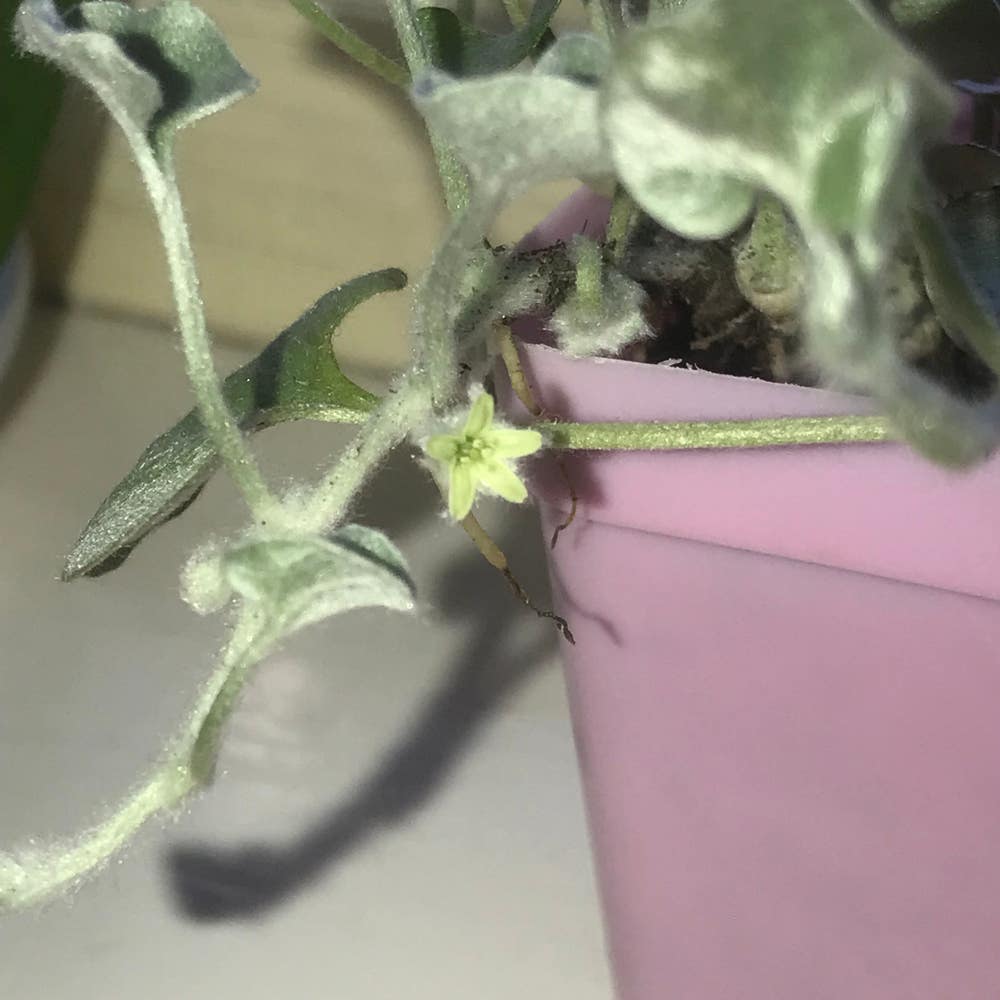
Kidney weed is a low-growing, spreading ground cover that brings a unique charm to any garden. Its distinct kidney-shaped leaves, typically measuring 1-2 inches in diameter, create a lush green carpet that fills spaces without overpowering neighboring plants.
This plant boasts a moderate growth rate, making it an excellent choice for those looking to enhance their garden without excessive maintenance. It strikes a balance between filling in gaps and allowing other plants to thrive alongside it.
Natural Limits 🌍
Kidney weed spreads through both seeds and vegetative means, particularly via stoloniferous growth. This adaptability allows it to establish itself in various environments, making it a resilient choice for gardeners.
It prefers well-drained soils but can thrive in a range of conditions, from full sun to partial shade. Additionally, kidney weed demonstrates a remarkable tolerance to foot traffic, making it suitable for lawns and garden paths where people frequently walk.
Incorporating kidney weed into your garden not only enhances its aesthetic appeal but also supports a healthy ecosystem. Its growth habits make it a versatile and practical choice for any landscape design.
Ecological Role
🌱 Benefits in Ecosystems
Kidney weed plays a vital role in its ecosystem by providing effective ground cover. This not only reduces soil erosion but also enhances soil health, making it a valuable addition to any garden.
Additionally, kidney weed acts as a natural weed suppressor. By limiting sunlight to potential weeds, it helps maintain a tidy and healthy garden environment.
🦋 Interactions with Wildlife
This plant is more than just a pretty ground cover; it serves as a habitat for essential pollinators like bees and butterflies. These creatures thrive in areas where kidney weed flourishes, contributing to a vibrant ecosystem.
Moreover, kidney weed provides a food source for small mammals and birds. Its compatibility with native plants further enhances biodiversity, creating a rich tapestry of life in your garden.
Incorporating kidney weed into your landscape not only beautifies your space but also supports local wildlife. This symbiotic relationship fosters a balanced ecosystem, making your garden a haven for both plants and animals.
As we explore garden management next, consider how these ecological benefits can influence your design choices.
Garden Management
Incorporating into Designs 🌿
Kidney weed is a versatile plant that excels as ground cover, a lawn alternative, or a filler in mixed plantings. Its low-growing nature makes it perfect for filling in gaps while providing a lush, green appearance.
To enhance your garden's aesthetic, consider pairing kidney weed with taller plants. This creates a striking visual contrast that draws the eye and adds depth to your landscape. Additionally, using kidney weed to create pathways or borders can unify your garden design, giving it a polished look.
Controlling Growth ⚔️
Managing kidney weed is straightforward, making it an excellent choice for gardeners of all skill levels. Regular maintenance practices, such as mowing or trimming, help maintain the desired height and prevent overgrowth.
It's also wise to monitor your kidney weed's spread. Using edging in garden beds can effectively contain its growth, ensuring it stays where you want it. This simple practice keeps your garden looking tidy and well-organized.
With these tips, you can enjoy the beauty and benefits of kidney weed while maintaining control over its growth. Next, let’s explore how kidney weed compares to other plants in your garden.
Comparison to Other Plants
🌱 Similar Non-Invasive Options
When considering ground cover plants, Kidney Weed stands out, but there are other excellent non-invasive options to explore. Creeping thyme is a popular choice, known for its aromatic foliage and vibrant flowers, making it a delightful addition to any garden.
Another great alternative is Irish moss, which offers a lush, green carpet effect. Both of these plants share similar growth habits, providing effective ground cover without overwhelming your garden.
🌟 Unique Qualities
Kidney Weed boasts distinctive kidney-shaped leaves that add a unique visual interest to your landscape. This feature sets it apart from other ground covers, making it a conversation starter in any garden.
Additionally, Kidney Weed thrives in various light and soil conditions, showcasing remarkable adaptability. Its low-maintenance nature means you can enjoy its beauty without the hassle of constant care, making it an ideal choice for busy gardeners.
Incorporating Kidney Weed into your garden not only enhances its aesthetic appeal but also supports a healthier ecosystem. As you consider your options, remember that this plant can coexist beautifully with others, creating a vibrant and diverse landscape.
Legal and Environmental Considerations
📜 Classifications and Guidelines
When considering Kidney Weed for your garden, it's essential to be aware of local regulations. Some areas may have specific guidelines regarding the planting and management of this plant, so checking with local authorities can save you from potential issues.
Sourcing Kidney Weed from reputable nurseries is crucial. This ensures you are getting native strains that are well-suited to your local environment, promoting healthy growth and minimizing ecological disruption.
🌱 Sustainable Gardening Practices
Kidney Weed plays a significant role in enhancing biodiversity and ecosystem health. By incorporating it into your landscape, you contribute to a more balanced environment that supports various forms of wildlife.
Using native plants like Kidney Weed in sustainable landscape design offers numerous benefits. They require less maintenance, adapt better to local conditions, and encourage interactions with wildlife, creating a thriving ecosystem right in your backyard.
Incorporating these practices not only beautifies your garden but also fosters a sense of responsibility towards nature. By choosing plants that support local wildlife, you create a vibrant habitat that benefits both the environment and your gardening experience.
As you consider your garden's design, remember that every plant choice can make a difference. Embrace the opportunity to cultivate a space that is not only visually appealing but also ecologically sound.
Transitioning to the next topic, let's explore how to effectively manage Kidney Weed in your garden for optimal growth and aesthetics.
⚠️ Safety First
This content is for general information and may contain errors, omissions, or outdated details. It is not medical, veterinary advice, or an endorsement of therapeutic claims.
Always consult a qualified healthcare professional before using any plant as food, medicine, or supplement.
Never eat any plant (or feed one to pets) without confirming its identity with at least two trusted sources.
If you suspect poisoning, call Poison Control (800) 222-1222, the Pet Poison Helpline (800) 213-6680, or your local emergency service immediately.
Spotted an error? Please report it here.
Transform your garden with kidney weed's beauty and resilience 🌱—let Greg guide you with tailored care tips to help this adaptable plant thrive effortlessly!