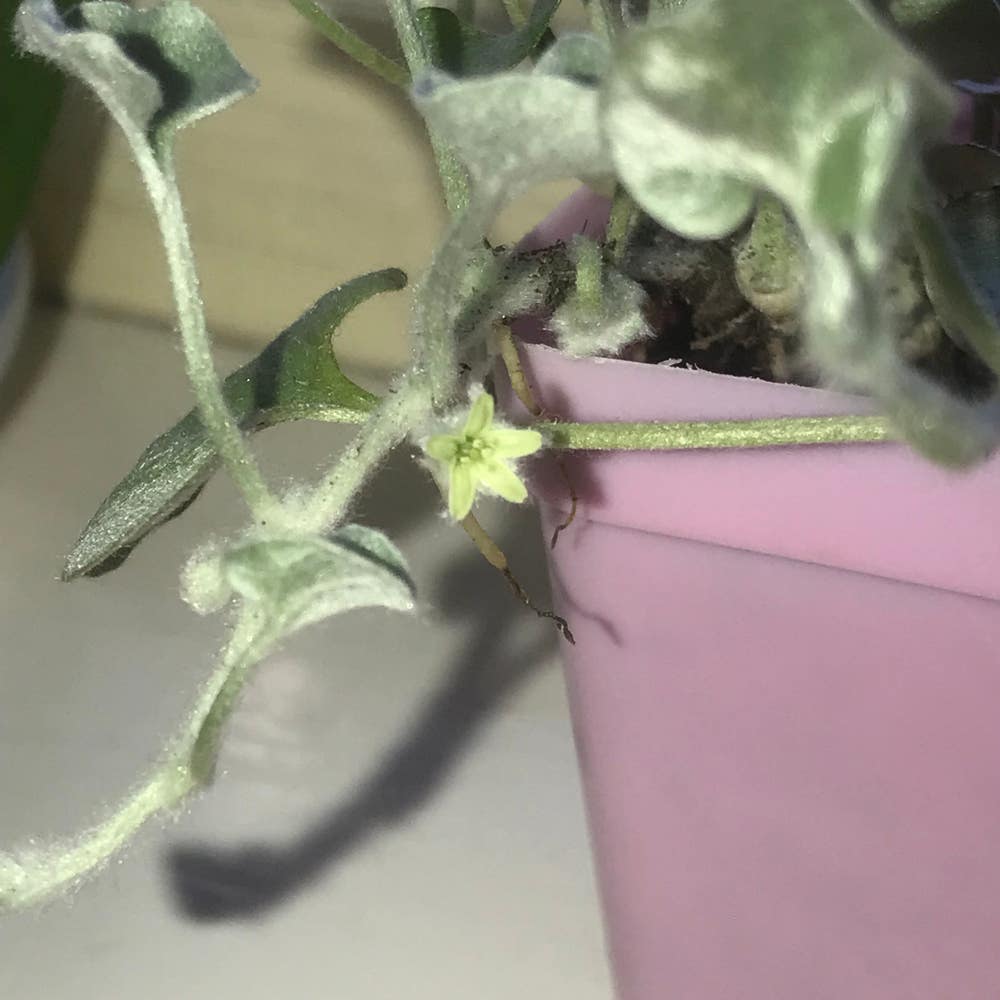
8 Quick Fixes for Kidney Weed Bloom Problems 🌸
Dichondra repens
By the Greg Editorial Team
Nov 07, 2024•6 min read
This article was created with the help of AI so we can cover more plants for you. May contain errors. See one? Report it here.
Revive your Kidney Weed blooms 🌼 by mastering essential care tips to prevent flowering failures and enhance growth!
- 🌼 Kidney Weed blooms best with 6-8 hours of sunlight; adjust placement accordingly.
- 🌧️ Poor drainage and extreme temperatures hinder blooming; improve soil conditions for success.
- 🌱 Nutritional balance is key; monitor for deficiencies to ensure vibrant flowers.
Common Causes of Failure to Bloom
🌸 Identifying Failure to Bloom
One of the most telling signs of a Kidney Weed's struggle is the absence of flowers during its expected bloom cycle. Typically, these plants should showcase vibrant blooms, so if you're not seeing any, it's time to investigate.
Understanding the typical bloom cycle of Kidney Weed is crucial. These plants generally bloom in late spring to early summer, so if you're missing flowers during this period, something's off.
🔍 Potential Causes
Several factors can contribute to the failure to bloom. Environmental issues, such as poor soil drainage or extreme temperatures, can hinder flower production significantly.
Additionally, light requirements play a vital role. If your Kidney Weed isn't getting enough sunlight, it may not bloom as expected. Nutritional deficiencies, particularly a lack of essential nutrients, can also stifle flowering.
🌱 Solutions for Improving Bloom Success
To enhance your Kidney Weed's blooming success, start by adjusting light exposure. Aim for 6-8 hours of sunlight daily to encourage healthy growth.
Soil amendments are another effective solution. Improving drainage and fertility can create a more conducive environment for blooming.
Finally, consider your fertilization strategies. Applying a balanced fertilizer during the growing season can provide the necessary nutrients for robust flower development.
By addressing these common causes, you can help your Kidney Weed thrive and bloom beautifully. Next, let’s explore the issue of premature flower drop and how to prevent it.
Premature Flower Drop
🌼 Identifying Signs of Premature Flower Drop
Premature flower drop can be frustrating for gardeners. Look for flowers that fall off before they fully bloom, signaling a potential issue.
Timing is crucial; note when this drop occurs in relation to the expected bloom cycle. This can help pinpoint underlying problems.
🌪️ Factors Contributing to Premature Flower Drop
Several factors can lead to premature flower drop. Environmental stressors like heat, drought, or excessive moisture can wreak havoc on your blooms.
Nutritional imbalances also play a role. Over-fertilization or nutrient deficiencies can weaken plants, making them more susceptible to dropping flowers.
Pests and diseases are additional threats. Identifying these potential issues early can save your blooms from premature loss.
🛠️ Remedies for Preventing Premature Flower Drop
To combat premature flower drop, start with effective watering techniques. Maintain consistent moisture without waterlogging your plants.
Nutrient management is equally important. Adjust your fertilization practices to avoid excess, ensuring your plants receive just what they need.
Lastly, keep an eye on pest control. Regular monitoring and prompt treatment of infestations can protect your flowers and promote healthy growth.
By addressing these factors, you can enhance your chances of enjoying a vibrant bloom cycle. Next, let’s explore how abnormal flower development can affect your Kidney Weed.
Abnormal Flower Development
🌼 Characteristics of Abnormal Flower Development
Abnormal flower development in Kidney Weed can manifest as irregular shapes, unexpected colors, or varying sizes of flowers. This issue typically arises during the bloom cycle, often noticeable when flowers fail to meet their expected characteristics.
🔍 Causes of Abnormal Flower Formation
Several factors contribute to abnormal flower formation. Genetic variability can lead to unexpected traits, while environmental influences like temperature fluctuations and inconsistent light conditions can further complicate flower development.
🛠️ Solutions for Correcting Flower Development Issues
To address these issues, consider making environmental adjustments. Stabilizing temperature and light conditions can significantly enhance flower quality.
Pruning Techniques
Employing proper pruning techniques is essential. Removing affected flowers encourages the plant to focus its energy on producing healthier blooms.
Nutritional Support
Lastly, ensure your plants receive adequate nutritional support. A balanced nutrient supply is crucial for fostering proper flower development and overall plant health.
By implementing these strategies, you can help your Kidney Weed thrive and produce beautiful blooms. Next, we will explore the impact of light on flowering, a critical element for successful growth.
Impact of Light on Flowering
🌞 Importance of Light for Kidney Weed Blooms
Sunlight plays a crucial role in the health and vitality of Kidney Weed blooms. It is essential for photosynthesis, which fuels flower production and overall plant growth.
Kidney Weed thrives best in full sun, requiring at least 6 to 8 hours of direct sunlight daily. Insufficient light can lead to poor blooming, while too much shade can stunt growth and reduce flower quality.
💡 How to Optimize Light Exposure
Choosing the right location for your Kidney Weed is key to maximizing sunlight exposure. Look for spots that receive ample sunlight throughout the day, avoiding areas overshadowed by larger plants or structures.
Utilizing reflective surfaces, such as walls or fences, can enhance light availability. These surfaces bounce sunlight onto your plants, providing an extra boost.
Seasonal adjustments are also important. As the sun's angle changes throughout the year, monitor your plants and adjust their placement if necessary to ensure they continue to receive optimal light.
With the right light conditions, your Kidney Weed can flourish, leading to vibrant blooms and a healthier garden. Next, we’ll explore the nutritional needs essential for supporting these beautiful flowers.
Nutritional Needs for Flowering
🌸 Essential Nutrients for Blooming
To achieve vibrant blooms, Kidney Weed requires a balanced intake of essential nutrients. The key players include nitrogen, phosphorus, potassium, and various micronutrients.
- Nitrogen promotes lush foliage and overall plant vigor.
- Phosphorus is crucial for root development and flower formation.
- Potassium enhances flower quality and resistance to stress.
Micronutrients, though needed in smaller amounts, are vital for processes like photosynthesis and enzyme function.
🚨 Signs of Nutrient Deficiency Affecting Blooms
Recognizing nutrient deficiencies early can save your blooms from disaster. Common symptoms include yellowing leaves, stunted growth, and poor flower formation.
- Yellowing leaves often indicate a nitrogen deficiency.
- Stunted growth can signal a lack of phosphorus.
- Poor flower formation may arise from insufficient potassium.
Timing is key; deficiencies often manifest during critical growth phases, particularly in the lead-up to blooming.
🌱 Fertilization Tips for Better Flowering
A well-planned fertilization schedule can significantly boost your blooms. Timing applications during the growing season is essential for optimal growth.
- Types of fertilizers: Choose between organic options, like compost, or synthetic fertilizers that provide quick nutrient availability.
- Application methods: Techniques such as broadcasting, side-dressing, or using liquid feeds can enhance nutrient delivery.
By ensuring your Kidney Weed receives the right nutrients at the right time, you can foster a flourishing display of flowers.
Next, let's explore how light impacts flowering and how to optimize exposure for your plants.
⚠️ Safety First
This content is for general information and may contain errors, omissions, or outdated details. It is not medical, veterinary advice, or an endorsement of therapeutic claims.
Always consult a qualified healthcare professional before using any plant as food, medicine, or supplement.
Never eat any plant (or feed one to pets) without confirming its identity with at least two trusted sources.
If you suspect poisoning, call Poison Control (800) 222-1222, the Pet Poison Helpline (800) 213-6680, or your local emergency service immediately.
Spotted an error? Please report it here.
Boost your Kidney Weed's blooming potential 🌸 by leveraging Greg's tailored care tips and watering reminders to create the perfect environment for vibrant flowers!