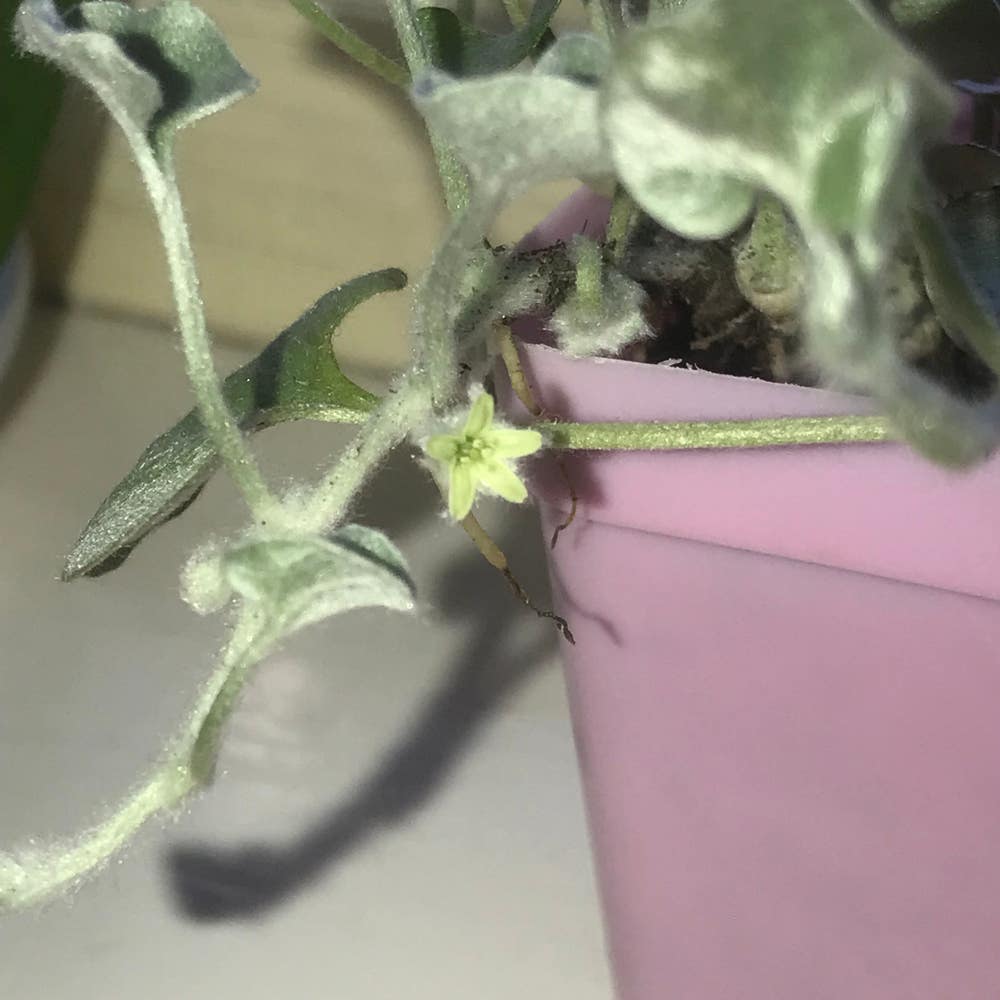
Ultimate Guide to Fertilizing Your Kidney Weed 🫘
Dichondra repens
By the Greg Editorial Team
Nov 07, 2024•3 min read
This article was created with the help of AI so we can cover more plants for you. May contain errors. See one? Report it here.
Unlock your garden's potential 🌱 with expert fertilization techniques for thriving, vibrant plants! 🌼
- 🌱 Organic fertilizers boost soil health, enhancing kidney weed growth and microbial activity.
- ⚖️ Proper application methods ensure effective nutrient delivery for optimal kidney weed health.
- 🌿 Recognize deficiency signs like yellowing leaves to adjust fertilization for kidney weed success.
Fertilization Techniques
🌱 Types of Fertilizers
Organic Fertilizers
Organic fertilizers are derived from natural sources and include options like compost, well-rotted manure, and fish emulsion. These fertilizers improve soil structure and enhance microbial activity, creating a healthier growing environment for your kidney weed.
Synthetic Fertilizers
Synthetic fertilizers, such as granular NPK fertilizers and liquid fertilizers, provide quick nutrient availability. They offer precise nutrient ratios, making it easier to target specific deficiencies in your plants.
Slow-Release vs. Fast-Release Fertilizers
Choosing between slow-release and fast-release fertilizers is crucial. Slow-release fertilizers provide nutrients over time, reducing the risk of leaching, while fast-release fertilizers deliver an immediate nutrient boost but require careful application to avoid over-fertilization.
🧑🌾 How to Apply Fertilizer
Application Methods
Applying fertilizer correctly is key to its effectiveness. For granular fertilizers, spread them evenly on the soil surface and lightly rake them in. Liquid fertilizers should be diluted according to the manufacturer's instructions and applied using a watering can or sprayer.
Best Practices for Application
To maximize nutrient absorption, water your plants before applying fertilizer. Additionally, avoid fertilizing during extreme weather conditions to prevent nutrient runoff and minimize plant stress.
⏰ Timing and Frequency of Fertilization
Best Times to Fertilize
Timing your fertilization is essential for optimal growth. Fertilize in early spring as growth resumes to support new development, mid-summer for sustained growth and blooming, and late fall before dormancy to strengthen the root system.
Frequency Throughout the Growth Cycle
The frequency of fertilization varies with plant age. Young plants benefit from fertilization every 4-6 weeks during the growing season, while mature plants should be fertilized every 6-8 weeks during peak growth.
🚨 Signs of Nutrient Deficiency and Over-Fertilization
Identifying Nutrient Deficiencies
Recognizing nutrient deficiencies is vital for plant health. Yellowing leaves and stunted growth indicate nitrogen deficiency, while poor root development and reduced flowering suggest phosphorus deficiency. Potassium deficiency can be identified by browning leaf edges and increased susceptibility to disease.
Symptoms of Over-Fertilization
Over-fertilization can lead to several issues. Leaf burn manifests as browning tips and edges of leaves, while excessive growth results in a leggy appearance with weak stems. Additionally, soil salinity may present as a white crust on the soil surface.
Corrective Measures
If you suspect over-fertilization, flush the soil with water to dilute excess nutrients. Adjust your fertilizer type based on identified deficiencies to restore balance.
❌ Common Mistakes in Fertilizing
Over-Fertilization Pitfalls
One of the most common mistakes is applying too much fertilizer at once. Ignoring soil nutrient levels and specific plant needs can lead to serious issues.
Misunderstanding Nutrient Needs
Many gardeners assume all plants require the same fertilization schedule. It's crucial to adjust your approach based on growth stage and environmental conditions to ensure optimal plant health.
Understanding these fertilization techniques will set you on the right path to nurturing your kidney weed. Next, we’ll explore how to effectively apply these fertilizers for maximum benefit.
⚠️ Safety First
This content is for general information and may contain errors, omissions, or outdated details. It is not medical, veterinary advice, or an endorsement of therapeutic claims.
Always consult a qualified healthcare professional before using any plant as food, medicine, or supplement.
Never eat any plant (or feed one to pets) without confirming its identity with at least two trusted sources.
If you suspect poisoning, call Poison Control (800) 222-1222, the Pet Poison Helpline (800) 213-6680, or your local emergency service immediately.
Spotted an error? Please report it here.
Fertilizing your kidney weed effectively will lead to lush growth 🌱, and with Greg's tailored reminders and nutrient tracking, you'll have everything you need to thrive as a gardener!