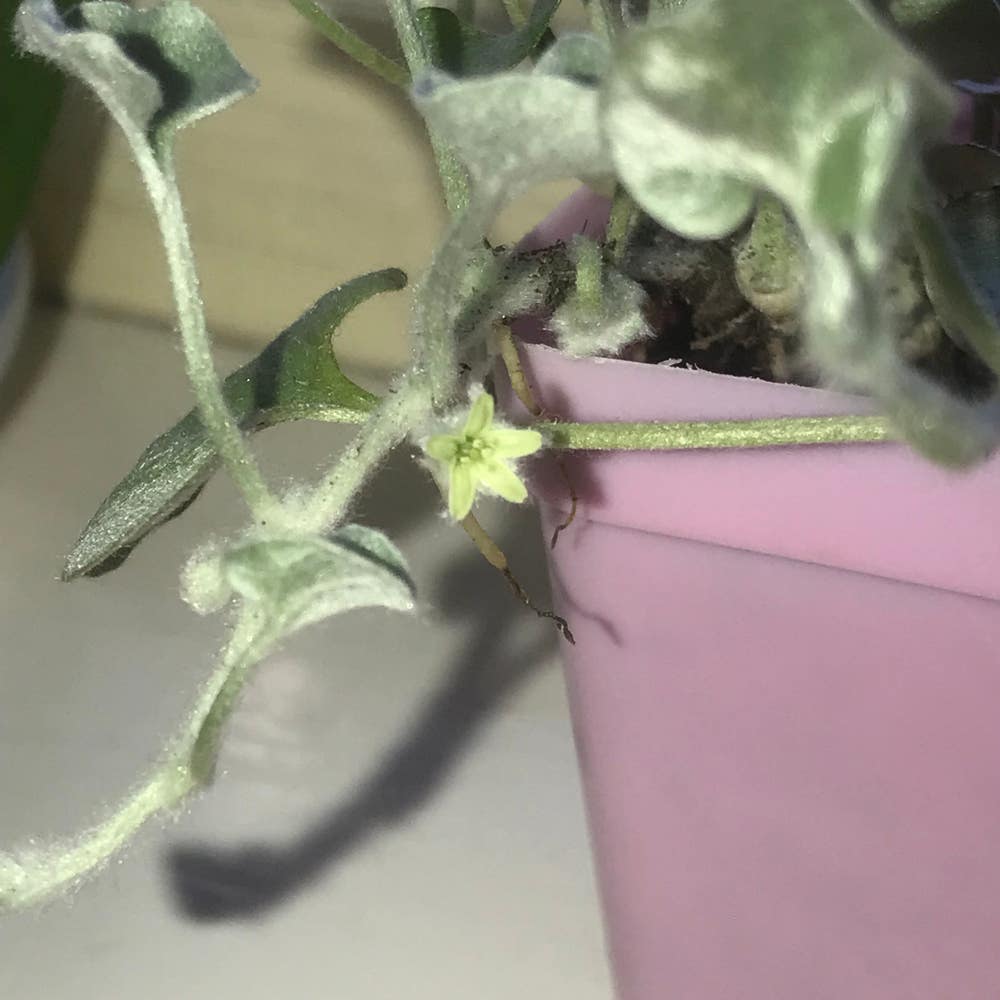
Why Your Dichondra repens Buds Are Falling Off
Dichondra repens
By the Greg Editorial Team
Jul 24, 2024•3 min read
This article was created with the help of AI so we can cover more plants for you. May contain errors. See one? Report it here.
Revive your Dichondra's blooms 🌺 with expert tips for a vibrant floral show!
- 🌞 Inadequate sunlight hinders Dichondra repens flowering.
- 🌱 Nutrient balance and pruning are key to healthy blooms.
- 🌼 Address environmental stress to prevent bud drop and abnormal flowers.
Flowering Failure
Recognizing Non-Flowering Plants
🌺 Dichondra repens that don't flower may leave gardeners puzzled. It's crucial to understand the bloom cycle's role in flower development to pinpoint the issue.
Reasons for Flowering Failure
🔆 Assessing Light Exposure: Inadequate sunlight can starve Dichondra repens of the energy needed for flower induction. 🌿 Evaluating Nutritional Deficiencies: A lack of essential nutrients, particularly phosphorus, can impede flower production.
Encouraging Flower Development
💡 Optimizing Light Conditions: Ensure your Dichondra repens receives sufficient sunlight, which may involve relocating the plant or using grow lights. 🌱 Adjusting Fertilization Practices: Use a balanced fertilizer with an emphasis on phosphorus to encourage blooming.
Abnormal Flowers
🌸 Spotting Abnormal Flower Development
Abnormal flower development in Dichondra repens can manifest in various ways. Look out for symptoms such as:
- Deformed or misshapen flowers
- Discoloration or bleaching of petals
- Stunted growth or reduced flower size
- Premature flowering or bud drop
🦠 Factors Causing Abnormal Flowers
Several factors can lead to these abnormalities:
- Nutrient imbalances, particularly a lack of essential elements like phosphorus or potassium, which are critical for flower development
- Pest infestations, including spider mites and aphids, that damage the plant and disrupt normal growth
- Diseases such as fungal infections that can cause spots on flowers or distort their shape
🌺 Correcting Abnormal Flowering
To restore healthy flower development, consider the following steps:
- Conduct a soil test to identify and correct nutrient deficiencies
- Inspect plants regularly for pests and treat infestations promptly with appropriate insecticides or natural predators
- Practice good hygiene by removing affected plant parts and applying fungicides to manage diseases
Enhancing Flowering with Pruning
🌸 The Role of Pruning in Flowering
Pruning isn't just a haircut for your Dichondra repens; it's a vital signal that redirects the plant's energies towards flower production. By understanding the relationship between strategic cuts and the bloom cycle, you can unlock a more impressive floral display.
- Pruning encourages the growth of new, more floriferous wood.
- Removing spent blooms, known as deadheading, prevents energy waste on seed production.
- Strategic pruning improves airflow and light exposure, both key to a healthy bloom cycle.
✂️ Pruning Techniques for Better Blooms
Get your shears ready; it's time to finesse your Dichondra repens into a blooming marvel. Here's how to prune for an optimal flower show:
- Always prune back to a leaf node to stimulate bushier growth and more flowering sites.
- Follow the one-third rule to avoid shock: never remove more than a third of the plant at once.
- Time your pruning after the initial flush of flowers to align with the plant's natural rhythm.
- Focus on lateral branches to encourage a fuller, more floriferous plant.
- Keep an eye out for diseased or damaged stems and remove them to maintain overall plant health.
By employing these techniques, you're not just pruning; you're orchestrating a floral symphony that will resonate throughout the bloom cycle of your Dichondra repens.
⚠️ Safety First
This content is for general information and may contain errors, omissions, or outdated details. It is not medical, veterinary advice, or an endorsement of therapeutic claims.
Always consult a qualified healthcare professional before using any plant as food, medicine, or supplement.
Never eat any plant (or feed one to pets) without confirming its identity with at least two trusted sources.
If you suspect poisoning, call Poison Control (800) 222-1222, the Pet Poison Helpline (800) 213-6680, or your local emergency service immediately.
Spotted an error? Please report it here.
Ensure your Dichondra repens thrives 🌿 with Greg's tailored reminders for light, nutrition, and pruning, turning your care into spectacular blooms.