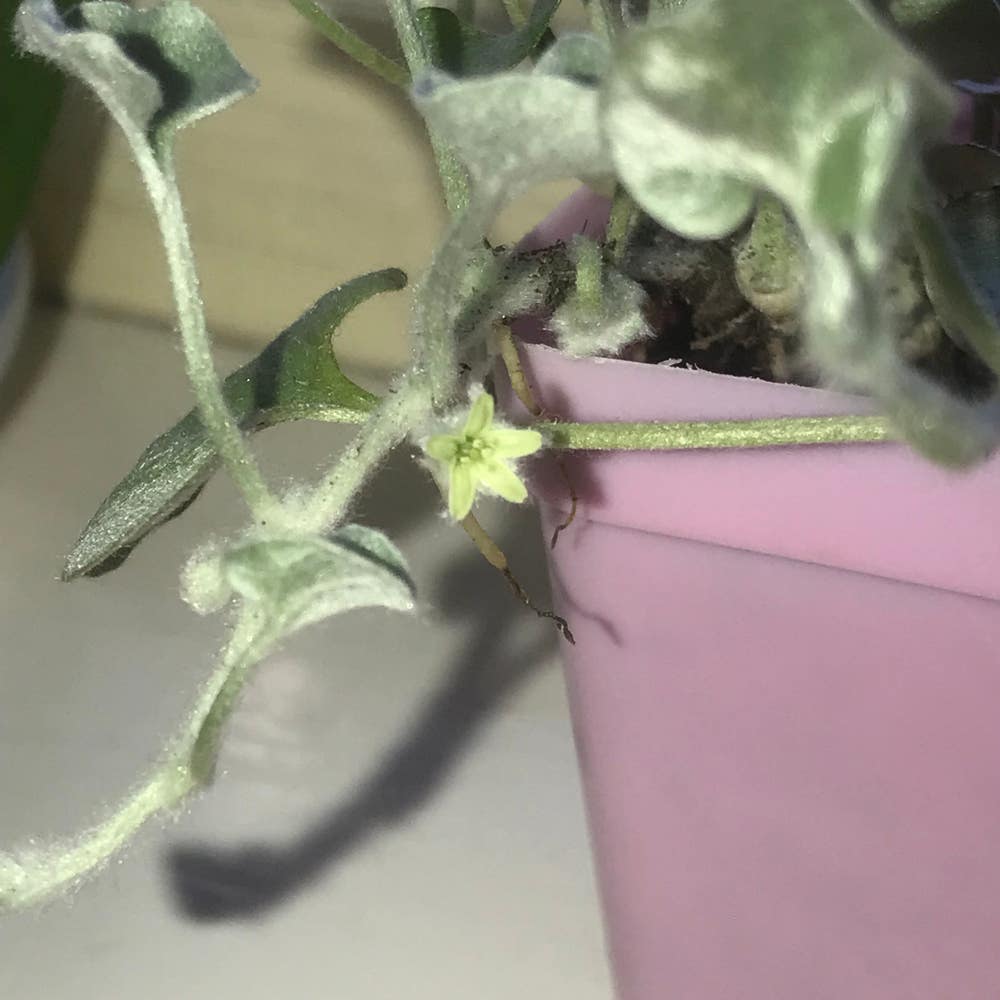
Diagnosing Dichondra Repens Root Rot
Dichondra repens
By the Greg Editorial Team
Feb 28, 2024•4 min read
This article was created with the help of AI so we can cover more plants for you. May contain errors. See one? Report it here.
Act fast to rescue your Dichondra repens from root rot's clutches with these life-saving plant tips! 🌿🚑
- Yellow leaves and stunted growth signal possible root rot in Dichondra repens.
- Inspect roots and soil for rot signs; firm, white roots are healthy.
- Prevent with smart watering, proper drainage, and strategic fungicide use.
Spotting the Red Flags: Symptoms of Root Rot
🚩 Visual Clues: Yellowing and Wilting Leaves
When Dichondra repens starts looking like it's on a hunger strike, yellow leaves and a slouchy posture are your first hints of trouble. These aren't just cosmetic issues; they're distress signals from the roots, begging for intervention.
📉 Growth Troubles: Stunted Growth and Decline
If your Dichondra repens has halted its sprawl and seems to be shrinking rather than thriving, take it as a red flag. Stunted growth isn't a sign of a plant on a diet; it's a symptom pointing to potential root rot below the soil line.
Getting to the Root of the Problem: Diagnosis
🌱 Soil and Root Inspection
Dive into the soil like a detective; if it's soggy, your Dichondra repens could be in distress. Overly moist soil is a fungal playground, and that's bad news for your plant. Feel the soil; if it's reminiscent of a wrung-out sponge, it's time to ease up on the watering can.
🕵️♂️ Root Reality Check
Gently lift your plant and shake off the excess dirt. Healthy roots should be firm and white, akin to a fresh piece of ginger. If they're brown, mushy, and smell like last week's leftovers, root rot has likely set in. Snip off the affected parts with sterilized shears, leaving the healthy roots to do their job.
Assessing Watering Habits and Drainage
Evaluate your watering routine; if your plant's soil is more waterlogged than a marshland, it's time for a change. Ensure your pot has enough drainage holes to make a colander envious. Before watering, do the finger test—if the soil clings to your finger, hold off on the H2O.
Drainage Dynamics
Improving drainage is not just about holes in the pot; it's about creating an escape route for excess water. Check for compacted soil or a pot that's holding water hostage. If the soil drains slower than a clogged sink, it's time for a soil mix intervention. Roots need air as much as they need water; don't let them drown in stagnation.
First Aid for Roots: Immediate Treatment Steps
💧 Drying Out: Soil Aeration and Watering Adjustments
Stop watering immediately. Your Dichondra repens isn't on a swim team; it doesn't need a pool. Check the soil: if it's wetter than a rainforest floor, it's time to dry out. Aerate the soil by gently fluffing it with a fork or your fingers—think of it as giving the roots room to breathe without the water wings.
🏥 Surgical Measures: Root Pruning and Sterilization
Now, for the root pruning. Gently remove your plant from its pot, like you're defusing a bomb. If the roots are brown and mushy, they're as good as gone. With sterilized scissors—because hygiene matters—snip the dead weight. Sterilize your tools before and after, as if you're prepping for surgery; alcohol or bleach will do the trick. Remember, you're not just cutting roots, you're saving the rest of the plant. After the operation, let the roots air out. They need a breather, not a bath.
Keeping Root Rot at Bay: Long-Term Prevention
💧 Smart Watering and Drainage
Watering wisdom is your plant's lifeline. Check the soil moisture like you're testing the waters of a new relationship—only proceed when you're sure it's dry. Drainage isn't just a good idea; it's your plant's non-negotiable demand for survival. Keep those holes unblocked like your life—or at least your plant's life—depends on it.
🛡️ Fungicidal Defense: When and How to Use
Fungicides are your plant's backup dancers, not the main act. Use them with a strategic eye, rotating types to dodge resistance like a pro. Always follow the label to the letter; it's the rulebook for your plant's health game.
🌱 Cultural Shifts: Best Practices for Plant Health
Adjust your care routine with the precision of a Swiss watchmaker. Air circulation is the breath of life for your Dichondra repens, so keep it flowing. Snip away any sad-looking leaves to prevent disease hideouts. And remember, cleanliness with your tools isn't just for show—it's a must.
⚠️ Safety First
This content is for general information and may contain errors, omissions, or outdated details. It is not medical, veterinary advice, or an endorsement of therapeutic claims.
Always consult a qualified healthcare professional before using any plant as food, medicine, or supplement.
Never eat any plant (or feed one to pets) without confirming its identity with at least two trusted sources.
If you suspect poisoning, call Poison Control (800) 222-1222, the Pet Poison Helpline (800) 213-6680, or your local emergency service immediately.
Spotted an error? Please report it here.
Prevent root rot and ensure your Dichondra repens remains healthy 🛡️ with Greg's personalized watering plans and expert community advice.