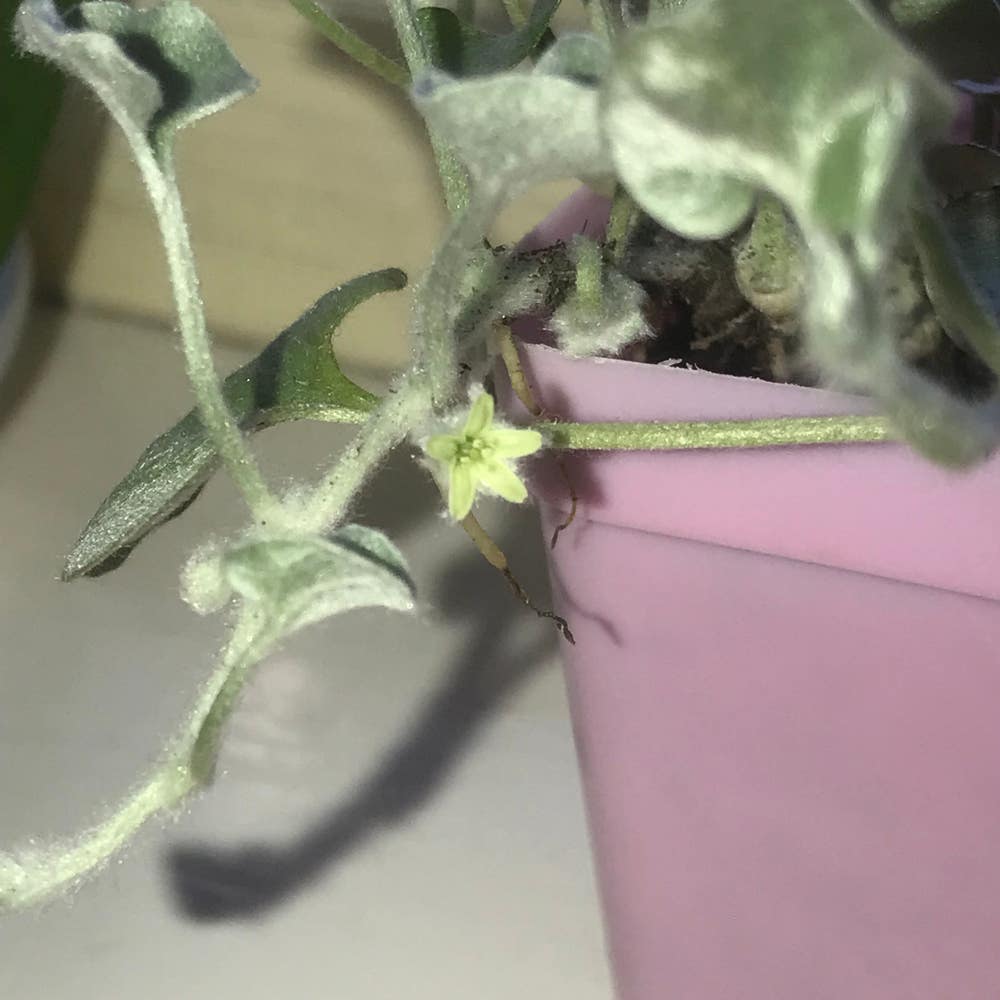
💧 How Frequently Should I Water My Dichondra repens?
Dichondra repens
By the Greg Editorial Team
Feb 28, 2024•4 min read
This article was created with the help of AI so we can cover more plants for you. May contain errors. See one? Report it here.
Nurture a vibrant Dichondra carpet 🌿 with the ultimate guide to perfect watering schedules.
- Watering needs vary with soil, weather, and pot type.
- Overwatering and underwatering have distinct signs; adjust accordingly.
- Indoor vs. outdoor care differs; observe leaves and soil for cues.
Spotting the Sweet Spot: Watering Dichondra Repens Just Right
🌱 Visual Cues for Perfect Hydration
A happy Dichondra repens boasts a lush, green carpet without wilted or yellowing leaves. The soil's moisture level is the plant's lifeline; it should feel like a wrung-out sponge—moist but not dripping.
🚱 The Perils of Too Much and Too Little
Overwatering turns leaves yellow, invites root rot, and makes stems mushy. Underwatering, on the other hand, leaves the plant looking deflated and leaves crispy. If you've gone overboard, let the soil dry out before the next watering. Caught your plant gasping? Time for a deep, thorough soak.
🚰 Immediate Steps to Correct Improper Watering
For the overzealous waterer, drainage is your new best friend. Ensure pots have escape routes for excess water. If you're on the forgetful side, a consistent watering schedule is your salvation. Adjust based on the plant's feedback, not your calendar's demands.
Tailoring Watering to Your Environment
💧 Soil and Drainage Dynamics
Soil isn't just dirt; it's the lifeline of your Dichondra repens. Sandy soils are thirsty beasts, guzzling water quickly and begging for more. On the flip side, clay soils are clingy, holding onto water like there's no tomorrow. Choose a well-draining mix that won't leave your plant's feet wet, or you'll risk root rot.
🌦️ Weather Wisdom
Mother Nature's mood swings dictate your watering can's action. Scorching summers might mean more frequent watering, while your plant could go on a water diet during cooler months. Stay on your toes and adjust to the weather's whims—your Dichondra repens will thank you.
🌱 Pot Size and Placement Pointers
The pot's size and material aren't just about looking pretty on your patio. Terracotta breathes easy, drying out soil faster than you can say "water me." Plastic, however, is like a mini rainforest, trapping moisture in. And size? It matters. Small pots dry out in a blink, while larger ones hoard water. Get this balance right, and you're golden.
Crafting Your Dichondra Watering Schedule
💧 Starting Points for Establishing a Routine
Indoor Dichondra repens should be watered when the top inch of soil feels like a dry debate—no moisture to be won. Typically, this might be once a week, but don't take my word as gospel. Outdoor plants are a bit more laissez-faire, relying on nature's whims with a side of human intervention during dry spells.
Fine-Tuning for Flawless Growth
Your Dichondra isn't shy; it'll drop hints if you're off your game. Leaves looking as sad as a forgotten birthday? Might be thirsty. Soil as wet as a drowned rat? Ease up on the H2O. Adjust your watering schedule based on these cues and the current season. Hotter months demand more frequent watering, while cooler times ask for restraint. Keep a keen eye on the forecast, and remember, your plant's thirst changes with the weather.
Special Scenarios: Watering Dichondra Repens in Various Setups
🌿 Outdoor Oasis
Navigating the watering needs of Dichondra repens in outdoor settings requires a keen eye and a bit of know-how.
Garden Beds
For garden beds, consistent moisture is key. Water deeply to encourage root growth, aiming for about 1 inch per week. During hot spells or drought, increase frequency but never let the soil become soggy.
Lawn Alternatives
As a lawn alternative, Dichondra repens needs less water than traditional grass. Once established, it's quite drought-tolerant. Water sparingly, only when you notice the leaves losing their luster.
🌱 Indoor Jungle
Indoor Dichondra repens are a different beast, craving stable conditions.
Potting Mix
Ensure your potting mix drains well; soggy soil is a death sentence. Water when the top inch feels dry, but don't let it turn into the Sahara.
Humidity
Consider the humidity of your home. Dry air? Your Dichondra might appreciate a regular misting. But don't go overboard – you're not trying to recreate the Amazon rainforest.
Monitoring
Keep an eye on your plant. Droopy leaves? Time for a drink. Yellowing? Ease up, cowboy. It's all about balance.
⚠️ Safety First
This content is for general information and may contain errors, omissions, or outdated details. It is not medical, veterinary advice, or an endorsement of therapeutic claims.
Always consult a qualified healthcare professional before using any plant as food, medicine, or supplement.
Never eat any plant (or feed one to pets) without confirming its identity with at least two trusted sources.
If you suspect poisoning, call Poison Control (800) 222-1222, the Pet Poison Helpline (800) 213-6680, or your local emergency service immediately.
Spotted an error? Please report it here.
Ensure your Dichondra repens forms a lush carpet 🌿 with Greg's custom watering reminders, tailored to your local weather and soil conditions.