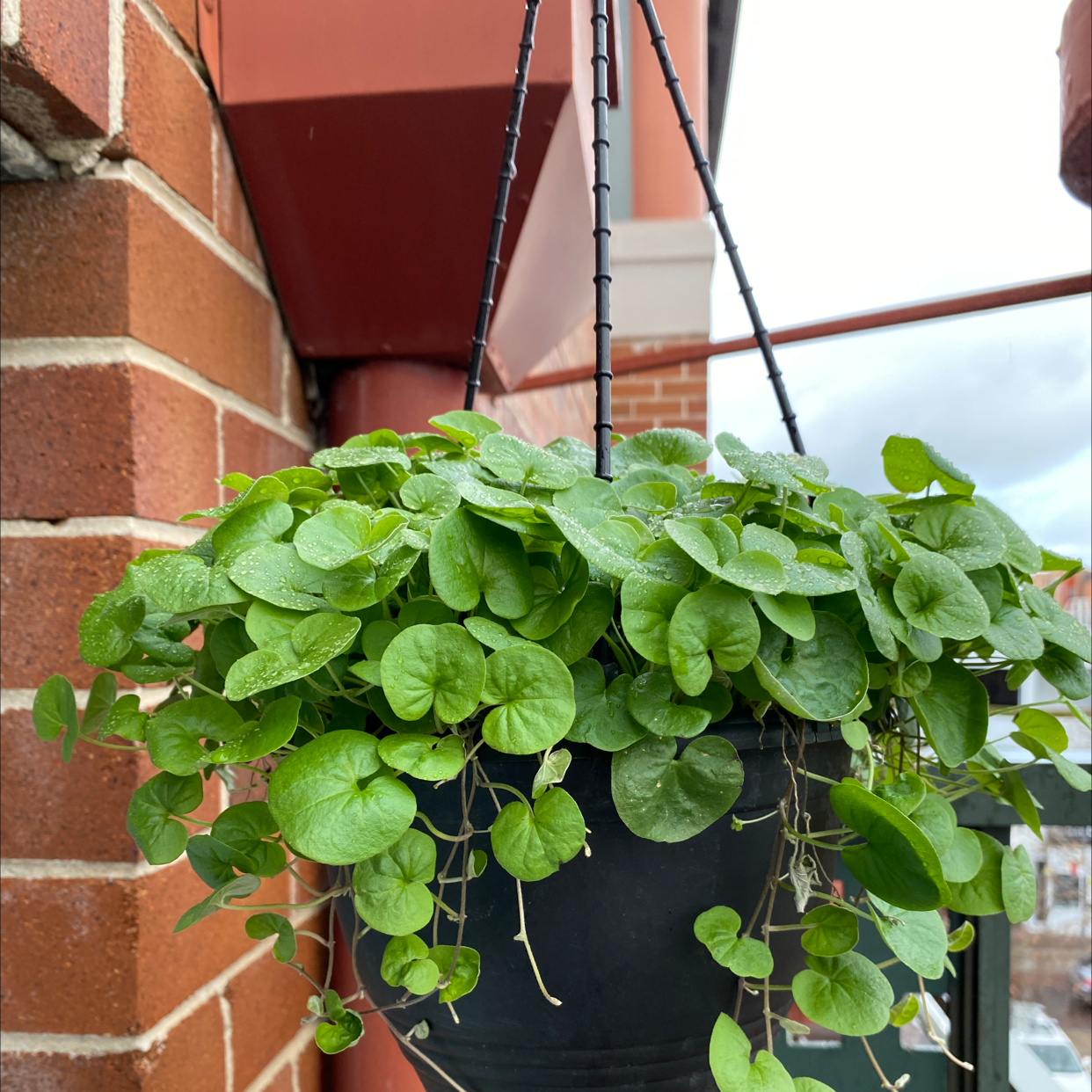
How to Grow a Dichondra repens
Plant Dichondra repens in part shade to full sun, in well-drained soil with good moisture, and space starts 6 to 8 inches apart so they knit into a soft mat within a season. Water deeply once a week to establish, then back off. Mow only two or three times a year to keep it tidy.

Where to plant
Dichondra repens is a creeping evergreen groundcover for USDA zones 8 through 11. It grows just 1 to 3 inches tall and spreads sideways to fill a bed or low-traffic lawn area, so the spot is more about the conditions than the dimensions.
Sun
Part shade to full sun works in most climates. In hot dry regions, afternoon shade keeps the leaves a deeper green and reduces summer watering needs. In cool coastal areas the plant takes full sun without complaint.
Deep shade thins the cover and gives weeds a chance to push through, so aim for at least three or four hours of direct light per day.
Drainage
Well-drained soil is essential. The roots rot in heavy clay that stays wet for days, and the plant turns yellow and patchy. Loosen compacted ground with compost before planting, or build a raised bed if the spot drains poorly.
Soil
Average garden loam is ideal. Work a couple of inches of compost into the top six inches of soil before planting. The plant prefers slightly acidic to neutral soil and tolerates a fairly wide range otherwise.
Foot traffic
Dichondra repens handles light foot traffic from people and pets, the kind a low-use lawn area sees, but it is not a true playing-surface lawn. Use stepping stones through high-traffic paths and let the plant fill the spaces between, rather than asking it to handle a kids-and-dogs work zone.
How to plant
Plant in early fall or spring when the soil is warm but the air is cool and rainfall is reliable. Seeds, plugs, and small containers all work, with plugs giving the fastest fill.
-
1Prepare the bed Clear the area of weeds and grass down to bare soil. Loosen the top six inches with a garden fork and work in two inches of compost. A weed-free start is the single best predictor of a clean cover later, since weeds compete hard during the slow establishment phase.
-
2Smooth the surface Rake the bed level. Low spots collect water and rot the crowns, and high spots dry out faster than the rest of the bed. A flat smooth surface lets the plant knit evenly.
-
3Set plugs 6 to 8 inches apart Dig a small hole for each plug and set the crown level with the surrounding soil. Closer spacing fills in faster but uses more plants. Six inches gives a closed cover in one growing season in most climates.
-
4Press the soil around each plug Firm the soil with your hand or the back of a trowel so the plug makes good contact with the bed. An air gap under the crown dries the roots out quickly and slows establishment.
-
5Water gently and thoroughly Use a fine spray or watering can rose. A hard stream washes the plugs out of place. Soak the bed until the top three inches feel uniformly damp.
-
6Mulch lightly between plugs A thin layer of fine compost or pine straw, no more than half an inch deep, holds moisture and shades the soil between plugs. Avoid heavy bark mulch — it smothers the spreading runners.
Watering and feeding
Watering
Water lightly every two or three days for the first month so the plugs do not dry out, then back off as the runners take hold. Soak the bed thoroughly rather than wetting just the top inch.
Once established, Dichondra repens prefers a deep weekly soak rather than frequent shallow watering. Wilting in the heat of the afternoon followed by recovery overnight is normal in summer and does not call for extra water.
Feeding
Feed lightly in early spring as new growth starts, using a slow-release balanced fertilizer at half the label rate. Heavy feeding pushes too much leafy growth that flops and rots in humid weather.
A second light feeding in early summer suits beds in poor soil. Skip late-summer feeding so the plant slows down before cool weather.
Pruning and maintenance
Dichondra repens needs almost no pruning in the traditional sense. The maintenance work is mostly mowing two or three times a year to keep the cover even, and pulling weeds before they go to seed in the bed.
Mowing
Set the mower or trimmer to its highest setting, around 2 to 3 inches, and mow the bed two or three times per growing season. Spring, midsummer, and early fall is a reasonable cadence in most climates. The plant tolerates lower mowing but looks lush at a taller height and competes with weeds more effectively when the leaves are not stressed by scalping.
Scalping the bed to the soil produces a yellow patchy look that takes weeks to recover.
Edging the bed
Runners spread sideways and crawl over hard edges into garden beds or driveways. Cut a clean edge with a spade or edging tool once or twice a year to keep the bed where you want it. Pull or pluck stray runners by hand any time during the growing season.
Weed control
Pull weeds as soon as you see them, especially in the first year before the cover closes. A dense closed cover shades out most new weed seeds on its own, so the heaviest weeding window is the first season. Avoid most broadleaf herbicides — they kill Dichondra repens since the plant is itself a broadleaf, not a grass.
Blooming and color
Dichondra repens is grown for the soft kidney-shaped leaves that form an evergreen carpet rather than for the tiny inconspicuous flowers. The payoff is the texture and color of the cover itself.
Leaf color and texture
Mature beds form a soft mat of round bright green leaves that look like miniature lily pads. The cover stays evergreen in mild winter climates and only goes brown after a hard freeze. Walking across the bed releases a clean grassy scent.
The flowers
Tiny greenish-yellow flowers appear in the leaf joints in late spring and summer. They are easy to miss and add nothing to the visual show, but they do feed small native pollinators that ground-level bloomers attract. No deadheading is needed.
Year-round use
Beds look best from spring through late fall, with a slight slowdown in deep winter even in mild zones. The plant pairs well with stepping stones, garden paths, and low borders, and works as a soft underplanting around taller container plants on a patio.
Common problems and pests
Most Dichondra repens complaints come from wet feet, heavy traffic, or weed pressure during the slow establishment year. The plant is otherwise tough and trouble-free once knit together.
Yellow patchy growth
Usually poor drainage holding water against the crowns. Check whether the bed sits wet for more than a day after rain or watering. If it does, lift the bed with compost and topsoil to improve drainage, or move the planting to a better-drained spot. Persistent yellowing in well-drained soil sometimes points to iron deficiency in alkaline conditions, which a chelated iron foliar spray corrects.
Bare spots in heavy-traffic areas
The plant cannot handle dog runs, kid play areas, or daily mower paths. Reroute the traffic with stepping stones or paving and plant fresh plugs into the bare spots. Once the cover knits back, light foot traffic is fine but the wear pattern returns if the path stays the same.
Weeds taking over during the first year
Common during the establishment year before the cover closes. Pull weeds by hand as soon as they appear, focusing on the bed before any go to seed. Avoid broadleaf herbicides — they damage Dichondra repens since the plant is itself a broadleaf, not a grass. A pre-emergent weed barrier labeled safe for Dichondra applied in early spring can reduce annual weed pressure.
Slug and snail damage
Round holes chewed through the leaves, often appearing overnight in damp shaded beds. Reduce hiding spots by clearing leaf litter and trimming overhanging plants. Iron phosphate bait works well and is safe around pets and wildlife. Beer traps sunk to ground level also reduce populations.
Cutworms severing young plugs
Plugs cut off at the soil line overnight during the first few weeks after planting are the work of cutworms, a soil-dwelling caterpillar. Push a small collar of cardboard or stiff paper around each plug for the first month, sunk an inch into the soil. Once the cover knits, cutworms rarely cause noticeable damage.
Powdery mildew in humid weather
White dusty film on the leaves during long humid spells. Improve airflow by mowing the bed at the higher setting and avoiding overhead watering, soaking the soil directly instead. Cut back affected leaves and water early in the day so the foliage dries before nightfall.
Browning after a hard freeze
The cover turns bronze or brown after temperatures drop below the high 20s Fahrenheit. In zone 8, the bed usually flushes new green growth in spring without help. Do not pull the damaged stems too early — the dead foliage protects the crowns from further cold. Wait until spring growth pushes, then rake the brown debris out gently.
Thin cover under deep shade
Less than three hours of direct light per day produces a thin patchy bed that lets weeds through. Limb up overhanging trees to admit more light, or replace the planting with a true shade groundcover in spots that cannot brighten.
Spread into unwanted areas
Runners crawl into adjacent garden beds, paths, and lawns. Edge the bed once or twice a year with a sharp spade. Pull or pluck stray runners by hand any time during the growing season. The plant is not aggressively invasive but does need a clean defined edge to stay tidy.
About This Article

Royal Horticultural Society