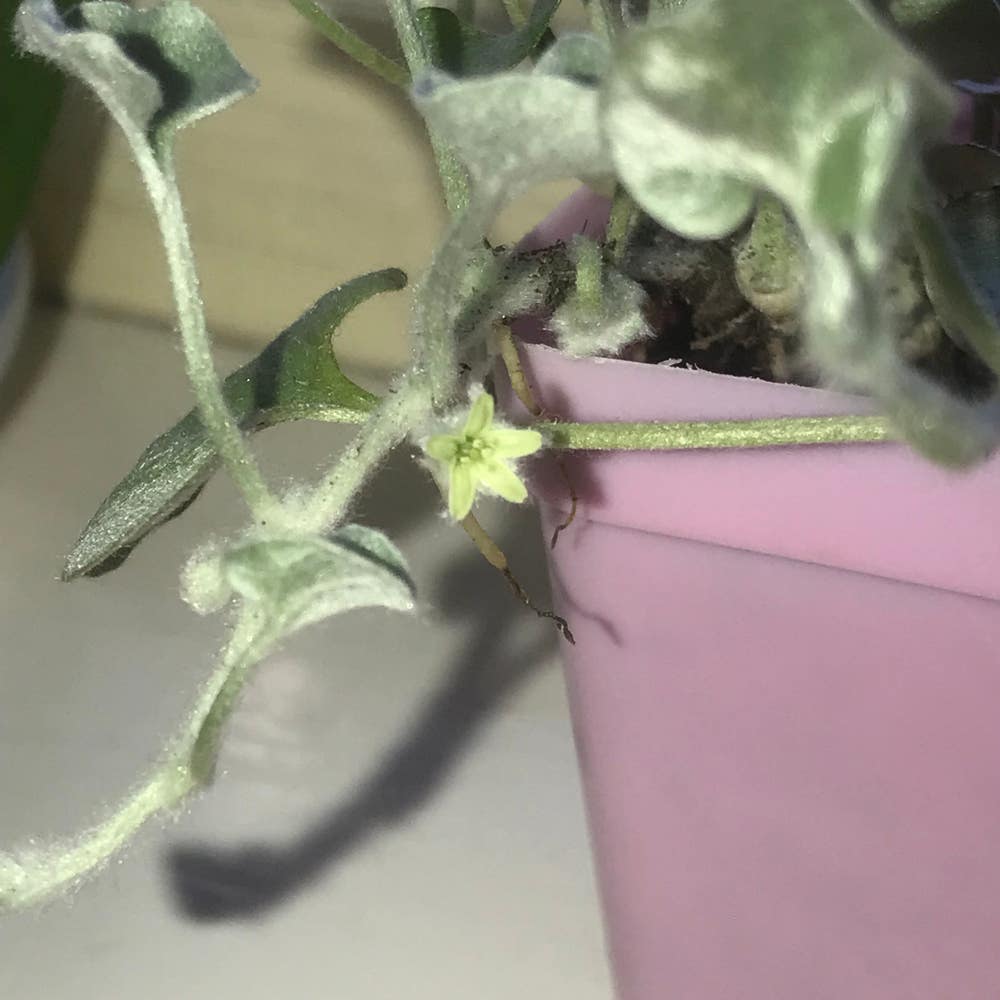
Why Is My Dichondra repens Dropping Leaves?
Dichondra repens
By the Greg Editorial Team
Feb 28, 2024•5 min read
This article was created with the help of AI so we can cover more plants for you. May contain errors. See one? Report it here.
Stop the leaf-drop heartache 🍂 and ensure your Dichondra repens flourishes with these essential care tips.
- Consistent care prevents leaf drop, including proper light, water, and temperature.
- Pests and diseases cause leaf loss; look for webbing, yellowing, or spots.
- Regular maintenance and monitoring are crucial for a healthy Dichondra repens.
Pinpointing the Culprits Behind Leaf Drop
🌡️ Environmental Factors
Temperature Tantrums
Dichondra repens doesn't appreciate temperature extremes. Too hot or too cold, and the leaves might just bail. Keep the environment consistently cozy to avoid a leafy exodus.
Light Levels
Too much or too little light can spell trouble. Aim for that Goldilocks zone of brightness to keep your Dichondra repens from shedding its green glory.
Water Woes
Overwatering is a no-go; it's a one-way ticket to root rot city. Underwatering isn't any better, leaving your plant as parched as a desert wanderer. Strike that moisture balance to prevent a leaf-drop lament.
🐜 Pests and Predators
Unwanted Guests
Pests like to party on your Dichondra repens, and they're not leaving without a fight. Spider mites, aphids, and the like can cause a leaf-dropping fiasco.
Signs of Infestation
Look out for webbing, yellowing, or speckled leaves. These are the red flags waving at you, signaling it's time to take pest control to the front lines.
🦠 Diseases Driving Leaves Away
Fungal Foes
Fungal diseases are the silent assassins of the plant world. Leaf spots and blights can lead to a cascade of falling leaves if left unchecked.
Spotting Trouble
Black or brown spots on leaves are like the plant's way of crying for help. Catch these symptoms early to stop the fungal onslaught in its tracks.
Turning Over a New Leaf: Solutions for Leaf Drop
🌡️ Fine-Tuning the Environment
Adjusting care to combat temperature and light-related leaf drop Watering wisdom: Techniques to prevent overwatering and underwatering
🐜 Pest Control Tactics
Natural defenses: Eco-friendly ways to deal with pests When to go chemical: Safe use of pesticides for Dichondra repens
🩺 Disease Management
Cultural practices to keep diseases at bay Treatment options for a disease-free Dichondra repens
Fine-Tuning the Environment
🌡️ Adjusting Care for Temperature and Light
Dichondra repens doesn't take kindly to dramatic temperature shifts. Gradual changes are your friend here. Ensure it's not shivering in a draft or sweating in a heatwave. As for light, aim for the Goldilocks zone – not too much, not too little.
💧 Watering Wisdom
Overwatering and underwatering can send your Dichondra repens into a tailspin. Stick to a routine that quenches its thirst without waterlogging. Check the top inch of soil; dry? Time to water. Soggy? Hold off. And always, always ensure drainage is on point.
Pest Control Tactics
🐜 Natural Defenses
Before reaching for chemicals, consider eco-friendly pest control. A soapy water solution can be a gentle but effective first strike against invaders. Keep leaves clean and dry to deter pests, and maintain good airflow – it's like a breath of fresh air for your plant's health.
💣 When to Go Chemical
Sometimes, you've got to bring out the big guns. If pests persist, a targeted application of pesticides might be necessary. Read labels, follow instructions, and use the minimal effective dose to protect your Dichondra repens and the environment.
Disease Management
🩺 Cultural Practices
Prevention is key. Keep foliage dry and promote air circulation to spoil the fun for fungal foes. Regularly remove any fallen leaves to disrupt the spore superhighway. And remember, a stable environment with proper light and humidity levels keeps diseases at bay.
💊 Treatment Options
If diseases do strike, consider fungicides as a last resort. Apply with precision, following instructions to the letter. But don't forget, a balanced diet of nutrients and consistent care can bolster your Dichondra repens against future disease outbreaks.
Prevention: Keeping Your Dichondra repens Happy and Healthy
🌧️ Proactive Plant Care
Regular watering is essential, especially during the warmer months. Ensure the soil remains moist but not waterlogged. During cooler months, water only when the soil feels dry to the touch. This balance prevents both overwatering and underwatering, which are common causes of leaf drop.
🕵️ Monitoring and Maintenance
Inspect your Dichondra repens frequently for early signs of stress. Look for changes in leaf color or posture, which can indicate watering issues or pest infestations. Adjust your care routine promptly to address these signs.
🧹 Keep It Clean
Maintain a clean environment around your Dichondra repens. Remove fallen leaves to deter pests and wipe down the remaining foliage to promote efficient photosynthesis. A clean plant is a happy plant.
🌱 Soil and Fertilization
Check the soil regularly for compaction and ensure it's well-aerated. Fertilize with the right amount of nitrogen during the growing season to maintain robust health and prevent disease.
✂️ Pruning and Rotation
Prune your Dichondra repens to remove any unhealthy leaves and promote better air circulation. Rotate the plant periodically to ensure even growth and light exposure.
🐜 Pest and Disease Vigilance
Keep an eye out for common pests like flea beetles and weevils. If you spot these critters, consider using insecticides judiciously. Prevent diseases by practicing good sanitation and removing any debris that could harbor pathogens.
🔄 Consistent Care
Above all, provide consistent care. This means sticking to a routine that includes proper watering, light conditions, and regular check-ups. Consistency is the key to preventing leaf drop and keeping your Dichondra repens thriving.
⚠️ Safety First
This content is for general information and may contain errors, omissions, or outdated details. It is not medical, veterinary advice, or an endorsement of therapeutic claims.
Always consult a qualified healthcare professional before using any plant as food, medicine, or supplement.
Never eat any plant (or feed one to pets) without confirming its identity with at least two trusted sources.
If you suspect poisoning, call Poison Control (800) 222-1222, the Pet Poison Helpline (800) 213-6680, or your local emergency service immediately.
Spotted an error? Please report it here.
Prevent leaf drop 🍃 in your Dichondra repens with Greg's personalized care reminders, helping you keep the perfect balance of water, light, and pest control for a thriving plant.