Kidney Weed Is Not an Annual
Dichondra repens
By the Greg Editorial Team
Nov 07, 2024•6 min read
This article was created with the help of AI so we can cover more plants for you. May contain errors. See one? Report it here.
Transform your garden with Kidney Weed's unique traits for a sustainable and vibrant landscape! 🌱
- 🌱 Kidney Weed is a perennial, thriving for years unlike short-lived annuals.
- 🌼 It blooms multiple times, ensuring long-term beauty and seed production.
- 🌍 Resilient to drought and extreme temperatures, it adapts well to various conditions.
Genetic and Physiological Characteristics
🌱 Long-term Lifecycle of Kidney Weed
Kidney Weed has a fascinating lifecycle that sets it apart from annual plants. It begins with an establishment phase, where it develops a robust root system and forms dense mats that can cover significant ground.
During its lifecycle, Kidney Weed can enter a dormancy phase, allowing it to survive adverse conditions such as drought or extreme temperatures. This resilience contributes to its lifespan, which typically spans several years, unlike the fleeting existence of annuals.
📈 Growth Patterns Specific to Kidney Weed
Kidney Weed exhibits a creeping growth habit that enables it to form dense mats across large areas. This adaptability allows it to thrive in various soil types and conditions, making it a versatile choice for gardeners.
Moreover, Kidney Weed demonstrates remarkable tolerance to environmental factors. It can flourish in both sunny and shaded areas, showcasing its ability to thrive in diverse habitats.
🌼 Reproductive Strategies of Kidney Weed
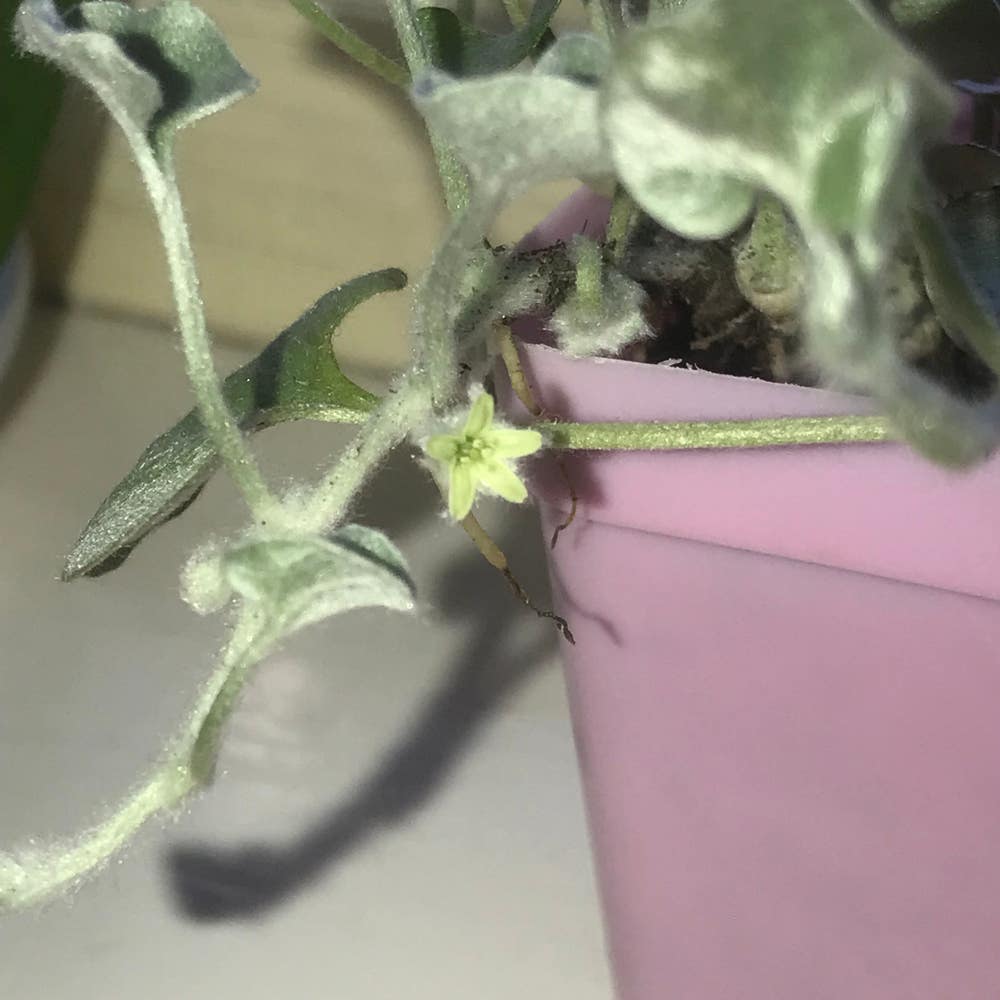
When it comes to reproduction, Kidney Weed produces small, inconspicuous flowers that may go unnoticed. These flowers play a crucial role in its seed production and dispersal mechanisms, ensuring the plant's continued presence in the landscape.
In comparison to annuals, Kidney Weed follows a perennial flowering pattern. This means it can produce flowers over multiple seasons, contrasting sharply with the single-season bloom typical of annual plants. This reproductive strategy further solidifies its identity as a long-lived perennial.
As we delve deeper into the differences between Kidney Weed and true annuals, we’ll explore how these characteristics influence their growth, flowering, and seed production.
Differences from True Annuals
Lifecycle Comparison 🌱
Kidney Weed has a distinct lifecycle that sets it apart from true annuals. While annuals complete their lifecycle in a single growing season, Kidney Weed germinates, grows, flowers, and produces seeds over several years.
This longevity allows Kidney Weed to establish a robust root system and mat formation, making it resilient against environmental challenges. In contrast, annuals must start from scratch each year, leading to a more vulnerable existence.
Growth, Flowering, and Seed Production Differences 🌼
Kidney Weed exhibits a slower, more sustained growth pattern compared to the rapid growth of annuals. This steady development allows it to thrive in various conditions, creating dense mats that can cover large areas.
When it comes to flowering, Kidney Weed follows a perennial cycle, blooming multiple times over its lifespan. Annuals, however, typically produce flowers only once before completing their lifecycle.
Seed production is another area where Kidney Weed shines. Its ability to produce seeds over several seasons contributes to its perennial nature, ensuring that it can continue to thrive year after year. In contrast, annuals focus on a single burst of seed production, which can limit their long-term presence in a garden.
Understanding these differences is crucial for gardeners looking to create sustainable and resilient landscapes. With this knowledge, you can make informed choices about incorporating Kidney Weed and other perennials into your garden design.
Variations and Exceptions
🌦️ Conditions Leading to Misclassification
Kidney Weed can sometimes be misclassified due to environmental factors. Extreme weather conditions, such as prolonged drought or excessive rainfall, can hinder its growth and lead to misconceptions about its perennial nature.
Poor soil health also plays a significant role. If the soil lacks essential nutrients or has poor drainage, Kidney Weed may struggle to establish itself, causing gardeners to mistakenly treat it as an annual.
🌍 Regional Differences Affecting Classification
Geographic variations significantly impact the growth habits of Kidney Weed. Different climates and soil types can alter how this plant behaves, leading to varying classifications across regions.
In some areas, misconceptions about Kidney Weed's lifecycle persist. Gardeners may view it as an annual due to its performance in less-than-ideal conditions, not realizing its true potential as a resilient perennial.
Understanding these variations is crucial for accurate classification and effective gardening strategies. As we delve deeper into the implications for gardeners, we’ll explore how to leverage Kidney Weed's unique characteristics for successful garden design.
Implications for Gardeners
🌼 Advantages in Garden Design
Incorporating perennials like Kidney Weed into your garden design offers numerous benefits. They represent a long-term investment, providing beauty and functionality year after year without the need for constant replanting.
Perennials also contribute to sustainability in your garden. Once established, they require less maintenance and resources compared to annuals, making them an eco-friendly choice for gardeners.
🌱 Strategies for Incorporating Kidney Weed
To maximize the benefits of Kidney Weed, consider companion planting with other perennials. This approach not only enhances biodiversity but also creates a more resilient garden ecosystem.
Designing your garden to leverage Kidney Weed's growth habits can be particularly effective. Use it as ground cover to suppress weeds and prevent soil erosion, ensuring your garden remains healthy and vibrant.
By thoughtfully integrating Kidney Weed into your garden, you can create a lush, sustainable landscape that thrives year after year. This not only beautifies your space but also supports the environment, making your gardening efforts truly rewarding.
As you plan your garden, keep in mind the unique characteristics of Kidney Weed and how they can enhance your overall design. Transitioning to a perennial-focused garden can lead to a more resilient and low-maintenance landscape.
Management Tips
🌱 Best Practices for Managing Kidney Weed
Managing Kidney Weed effectively starts with regular monitoring. Keep an eye on its health and growth to ensure it thrives in your garden.
Pruning is another essential practice. By trimming back excess growth, you encourage the plant to form dense mats, which can help suppress weeds and enhance its aesthetic appeal.
⏳ Tips for Maximizing Longevity
Soil health plays a crucial role in the longevity of Kidney Weed. Ensure you have well-draining soil, as this prevents root rot and promotes healthy growth.
Nutrient management is equally important. Regularly fertilize your Kidney Weed to provide the essential nutrients it needs to flourish.
Watering practices also matter significantly. Aim for a balance in moisture levels, as both overwatering and underwatering can hinder long-term growth.
By following these management tips, you can enjoy the benefits of Kidney Weed in your garden for years to come. Next, let’s explore the advantages of incorporating perennials into your garden design.
⚠️ Safety First
This content is for general information and may contain errors, omissions, or outdated details. It is not medical, veterinary advice, or an endorsement of therapeutic claims.
Always consult a qualified healthcare professional before using any plant as food, medicine, or supplement.
Never eat any plant (or feed one to pets) without confirming its identity with at least two trusted sources.
If you suspect poisoning, call Poison Control (800) 222-1222, the Pet Poison Helpline (800) 213-6680, or your local emergency service immediately.
Spotted an error? Please report it here.
Embrace the resilience of Kidney Weed as a long-lasting perennial 🌿 and let Greg guide you with tailored care tips to cultivate a lush, sustainable garden that thrives season after season!