10 Facts About Kidney Weed Lifecycle
Dichondra repens
By the Greg Editorial Team
Nov 07, 2024•5 min read
This article was created with the help of AI so we can cover more plants for you. May contain errors. See one? Report it here.
Unlock the secrets to nurturing resilient Kidney Weed through its captivating growth stages! 🌱
- 🌱 Kidney Weed germinates in 7-14 days under optimal soil temperatures of 15°C to 25°C.
- 🌼 Flowering occurs in late spring to summer, attracting pollinators for seed production.
- 🌍 Kidney Weed thrives in various conditions, enhancing its adaptability and ecosystem value.
Stages of Growth
🌱 Germination Stage
The germination stage of Kidney Weed typically lasts 7-14 days under optimal conditions. For successful germination, the soil temperature should be between 15°C to 25°C (59°F to 77°F), with moisture levels kept consistently moist but not waterlogged. While Kidney Weed can germinate in low light, it thrives best in indirect sunlight.
🌿 Seedling Stage
Following germination, the seedling stage lasts approximately 2-4 weeks. During this time, seedlings develop small, kidney-shaped leaves and establish initial roots, which are crucial for nutrient uptake. However, they are vulnerable to environmental stressors, making adequate moisture and protection from extreme conditions essential.
🌳 Vegetative Growth Stage
The vegetative growth stage spans 4-8 weeks, depending on environmental conditions. This phase is marked by a rapid expansion of leaf area and root systems, alongside the formation of stolons—horizontal stems that facilitate vegetative propagation. As the plant matures, it becomes more resilient to drought and competition.
🌸 Flowering Stage
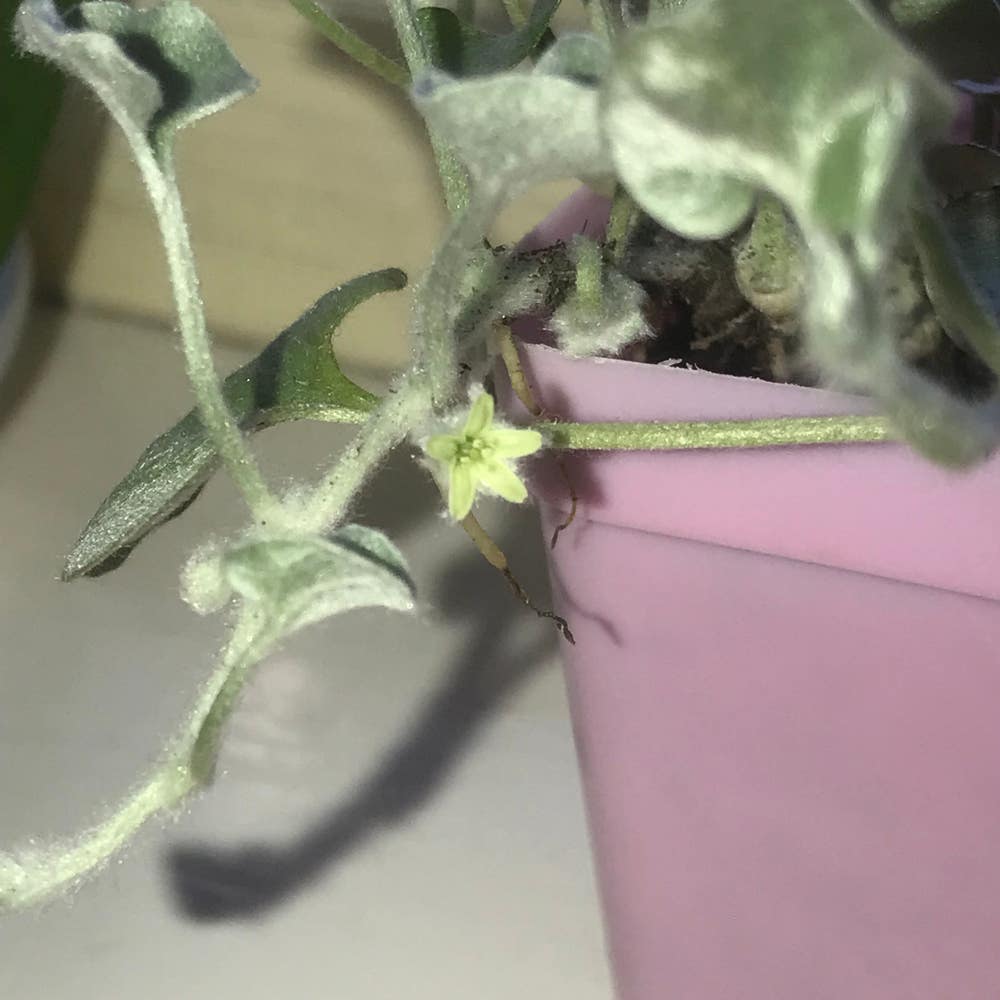
Typically occurring from late spring to summer, the flowering stage lasts 2-4 weeks. During this time, small, inconspicuous flowers emerge, attracting pollinators and promoting genetic diversity. Successful pollination is vital, as it leads to seed development, an essential part of the plant's reproductive cycle.
🌾 Seed Production Stage
The seed production stage follows flowering and lasts about 4-6 weeks. During this period, seeds are produced and can be dispersed by wind, water, or animal activity. This ability to establish in new locations enhances the plant's spread and resilience, ensuring its survival in various environments.
Understanding these stages of growth not only highlights the resilience of Kidney Weed but also sets the foundation for appreciating its overall lifecycle. Next, we will explore the growth rate and maturation of this fascinating plant.
Growth Rate and Maturation
How long until Kidney Weed is fully grown? 🌱
Kidney Weed typically reaches full maturity in about 3 to 6 months under optimal conditions. This timeframe allows the plant to develop its unique characteristics and adapt to its environment.
Factors affecting growth rate 🌿
Several key factors influence the growth rate of Kidney Weed:
- Soil quality: Well-drained, fertile soils promote faster growth, providing essential nutrients.
- Moisture availability: Consistent moisture is crucial for rapid development, as it supports the plant's physiological processes.
- Light exposure: Full to partial shade can significantly impact growth rates, with adequate light enhancing photosynthesis.
Average maturation time ⏳
Maturation time can vary based on environmental conditions, typically ranging from 3 to 6 months. Understanding these factors can help you create the ideal environment for Kidney Weed to thrive.
In summary, the growth rate and maturation of Kidney Weed depend on a combination of soil quality, moisture, and light exposure. By optimizing these conditions, you can ensure a healthy and vibrant plant. Next, let’s explore the notable changes throughout the lifecycle of Kidney Weed.
Notable Changes Throughout Lifecycle
🌱 Physical Changes During Each Stage
The lifecycle of Kidney Weed is marked by distinct physical transformations.
Germination kicks off with the emergence of cotyledons, which are the plant's first leaves, alongside initial root development.
As the plant transitions into the seedling stage, it begins to form true leaves, establishing a robust root system that supports its growth.
During the vegetative stage, the plant experiences significant expansion in foliage and develops stolons, which are horizontal stems that help it spread.
In the flowering stage, the focus shifts to reproductive structures, marking a critical transition from growth to reproduction.
Finally, in the seed production stage, the plant develops seeds, leading to the eventual senescence of the flowering parts as it prepares for the next generation.
🌍 Environmental Adaptations
Kidney Weed showcases impressive adaptability throughout its lifecycle.
It thrives in various soil types, particularly favoring well-drained, fertile soils that provide essential nutrients.
Additionally, the plant can adapt to different moisture levels, allowing it to flourish in shaded, moist environments.
This resilience not only enhances its survival but also contributes to its ability to spread and establish in new locations.
Understanding these notable changes and adaptations provides insight into the remarkable lifecycle of Kidney Weed, highlighting its ability to thrive in diverse conditions.
Next, we will explore the overall lifespan of Kidney Weed and the factors that influence its longevity.
Overall Lifespan of Kidney Weed
Typical Lifespan of the Plant 🌱
Kidney Weed is a resilient plant that can thrive for several years, often exceeding five years when conditions are right. This longevity makes it a valuable addition to various ecosystems.
Factors Influencing Longevity 🌿
Several factors play a crucial role in determining how long Kidney Weed can live.
Environmental Conditions ☔️
Adequate moisture and nutrient availability are key to extending the lifespan of Kidney Weed. When these elements are balanced, the plant can flourish and reach its full potential.
Competition 🥊
The presence of other plants can impact Kidney Weed's growth and longevity. In crowded environments, competition for resources may hinder its development.
Disease and Pests 🦠
Healthy Kidney Weed plants are more resilient to diseases and pests. A robust plant can better withstand threats, ultimately influencing its overall lifespan.
Understanding these factors can help you cultivate Kidney Weed effectively, ensuring it thrives for years to come. As we explore the notable changes throughout its lifecycle, you'll see how these elements interact to shape the plant's journey.
⚠️ Safety First
This content is for general information and may contain errors, omissions, or outdated details. It is not medical, veterinary advice, or an endorsement of therapeutic claims.
Always consult a qualified healthcare professional before using any plant as food, medicine, or supplement.
Never eat any plant (or feed one to pets) without confirming its identity with at least two trusted sources.
If you suspect poisoning, call Poison Control (800) 222-1222, the Pet Poison Helpline (800) 213-6680, or your local emergency service immediately.
Spotted an error? Please report it here.
Unlock the secrets of Kidney Weed's lifecycle 🌱 and let Greg guide you with tailored care tips and watering reminders to help your plant thrive in its ideal environment!