🌼 The Meaning of Kidney Weed Flowers
Dichondra repens
By the Greg Editorial Team
Nov 07, 2024•5 min read
This article was created with the help of AI so we can cover more plants for you. May contain errors. See one? Report it here.
Uncover the charm of Kidney Weed's lush foliage 🌿, a unique garden choice that thrives without vibrant blooms!
- 🌱 Kidney Weed is mainly non-flowering, valued for its lush foliage over blooms.
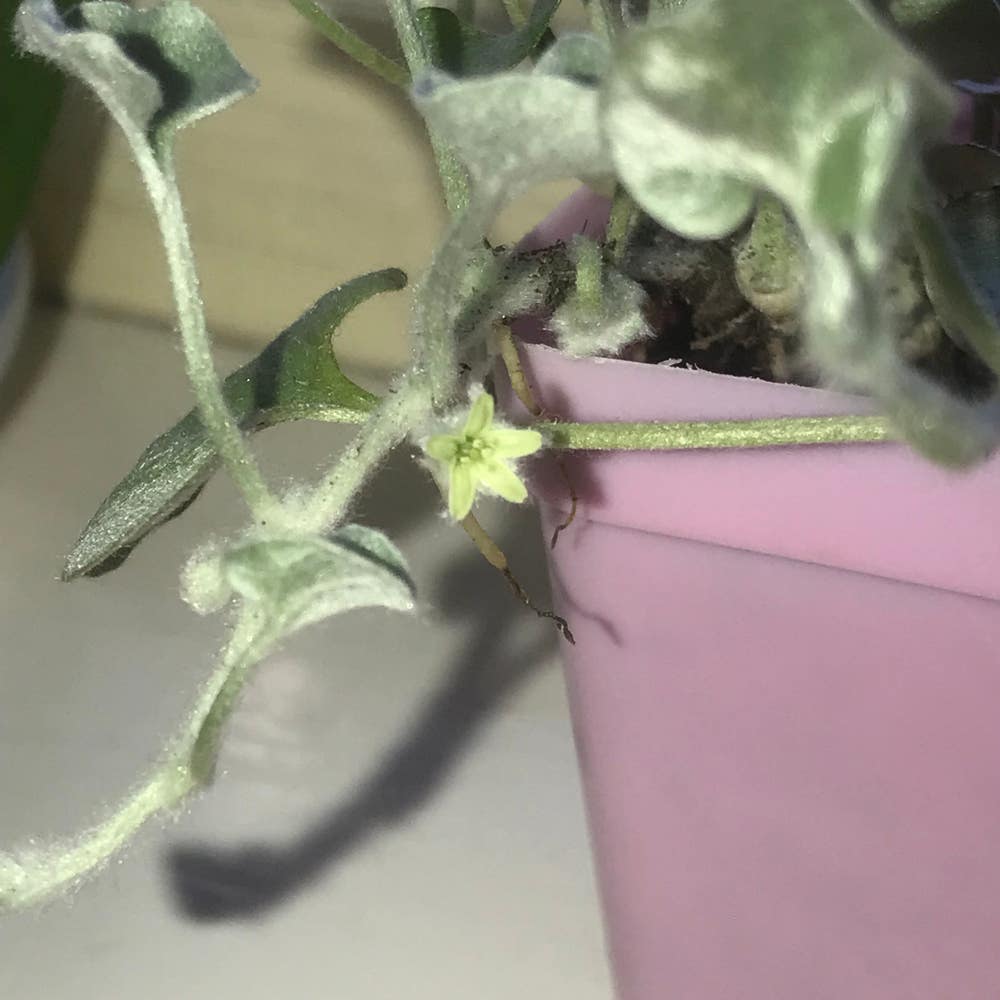
- 🌼 When flowers appear, they are small and inconspicuous, lasting only a few days.
- 🌍 Kidney Weed thrives in various conditions, aiding erosion control and landscape aesthetics.
Flowering Status
Clarification on Flower Production 🌼
Kidney Weed is primarily known as a non-flowering plant. Its charm lies in its lush, vibrant foliage rather than any floral display.
This plant has adapted beautifully to its environment, which significantly influences its flowering capabilities. While it may occasionally produce flowers, this is not its primary focus, making it a unique choice for ornamental gardening.
If Kidney Weed Does Flower
🌼 Flower Characteristics
Description of Colors and Structure
Kidney Weed, while primarily known for its lush foliage, can produce small, inconspicuous flowers. These blooms, if they occur, may display muted colors, lacking the vibrant appeal typically sought in ornamental plants.
Self-Pollination vs. External Pollination
Kidney Weed's flowering is rare, leading to questions about its pollination methods. It is generally believed that these plants are self-pollinating, but the infrequency of flower production limits the significance of this trait.
🌸 Blooming Process
Blooming Stages and Typical Bloom Time
If Kidney Weed does bloom, it typically follows a brief and unremarkable blooming process. The timing can vary seasonally, influenced by environmental conditions such as temperature and moisture.
Duration from Bud Formation to Full Bloom
The estimated duration from bud formation to full bloom is relatively short, although specific timelines can be elusive due to the plant's rarity in flowering. Generally, this process may take a few weeks under optimal conditions.
Lifespan of Flowers
When flowers do appear, their lifespan is fleeting. They often last only a few days, emphasizing the plant's focus on foliage rather than floral display.
🌱 Encouraging Blooms
Tips to Encourage Blooming
To encourage potential blooming, provide Kidney Weed with optimal growing conditions. This includes ensuring adequate light, moisture, and using balanced fertilizers to support overall plant health.
Factors Influencing Flowering
Several environmental factors can influence flowering, including light exposure, soil moisture, and nutrient availability. Healthy plants are more likely to produce blooms, so maintaining good care practices is essential.
🌿 Post-Flowering
What Happens to the Plant After Flowering
After flowering, if it occurs, Kidney Weed typically continues its growth cycle without significant changes. The focus remains on foliage, which continues to thrive.
Discussion on Whether Kidney Weed Dies After Flowering
Unlike some plants that die post-flowering, Kidney Weed does not perish after blooming. It maintains its life cycle, relying on vegetative reproduction to spread and flourish.
This exploration of Kidney Weed's flowering characteristics reveals a plant that prioritizes its lush greenery over blooms. As we transition to the next section, we will delve into the unique aspects that make Kidney Weed a fascinating addition to any landscape.
If Kidney Weed Doesn't Flower
🌿 Primary Ornamental or Functional Features
Kidney Weed is celebrated for its lush, vibrant foliage that creates a rich ground cover. Its dense leaves not only add a splash of green to gardens but also help suppress weeds, making it a practical choice for landscaping.
This plant thrives in various conditions, adapting well to both sunny and shaded areas. Its ability to form a thick mat of foliage makes it ideal for erosion control and filling in bare spots in your garden.
🌱 Explanation of How Kidney Weed Reproduces Without Flowers
Kidney Weed primarily reproduces through vegetative means, utilizing runners to spread. These runners extend horizontally, allowing the plant to establish new roots and create additional growth.
This method of reproduction is efficient, enabling Kidney Weed to cover large areas quickly. As a result, it maintains its presence in gardens and landscapes, ensuring a lush appearance without the need for flowering.
Unique Aspects
🌼 Unusual Characteristics Related to Flowering or Non-Flowering Nature
Kidney Weed stands out in the plant world primarily due to its non-flowering nature. Unlike many ornamental plants that rely on vibrant blooms to attract attention, Kidney Weed captivates with its lush, green foliage, making it a favorite for ground cover.
This plant's ability to thrive in various environments without the need for flowers showcases its adaptability. Its focus on foliage rather than flowers allows it to conserve energy, which can be a unique survival strategy in challenging conditions.
🤔 Interesting Facts or Trivia About Reproductive Strategy
Kidney Weed employs a fascinating reproductive strategy that doesn't rely on flowers. Instead, it reproduces vegetatively through runners, which are horizontal stems that spread across the ground.
This method not only helps the plant maintain its presence in the landscape but also allows it to cover large areas efficiently. Interestingly, variations in Kidney Weed can lead to different characteristics, such as leaf shape and growth patterns, depending on the specific environment in which they thrive.
In terms of ecological role, Kidney Weed plays a significant part in soil stabilization and erosion control. Its dense growth habit helps prevent soil erosion, making it a valuable asset in landscaping and natural habitats alike.
As you explore the unique traits of Kidney Weed, consider how its non-flowering nature and vegetative reproduction contribute to its resilience and ecological importance. This understanding sets the stage for appreciating the plant's role in various ecosystems.
⚠️ Safety First
This content is for general information and may contain errors, omissions, or outdated details. It is not medical, veterinary advice, or an endorsement of therapeutic claims.
Always consult a qualified healthcare professional before using any plant as food, medicine, or supplement.
Never eat any plant (or feed one to pets) without confirming its identity with at least two trusted sources.
If you suspect poisoning, call Poison Control (800) 222-1222, the Pet Poison Helpline (800) 213-6680, or your local emergency service immediately.
Spotted an error? Please report it here.
Embrace the lush greenery of Kidney Weed 🌿 by using Greg's personalized care tips to create the perfect environment for your plant to thrive!