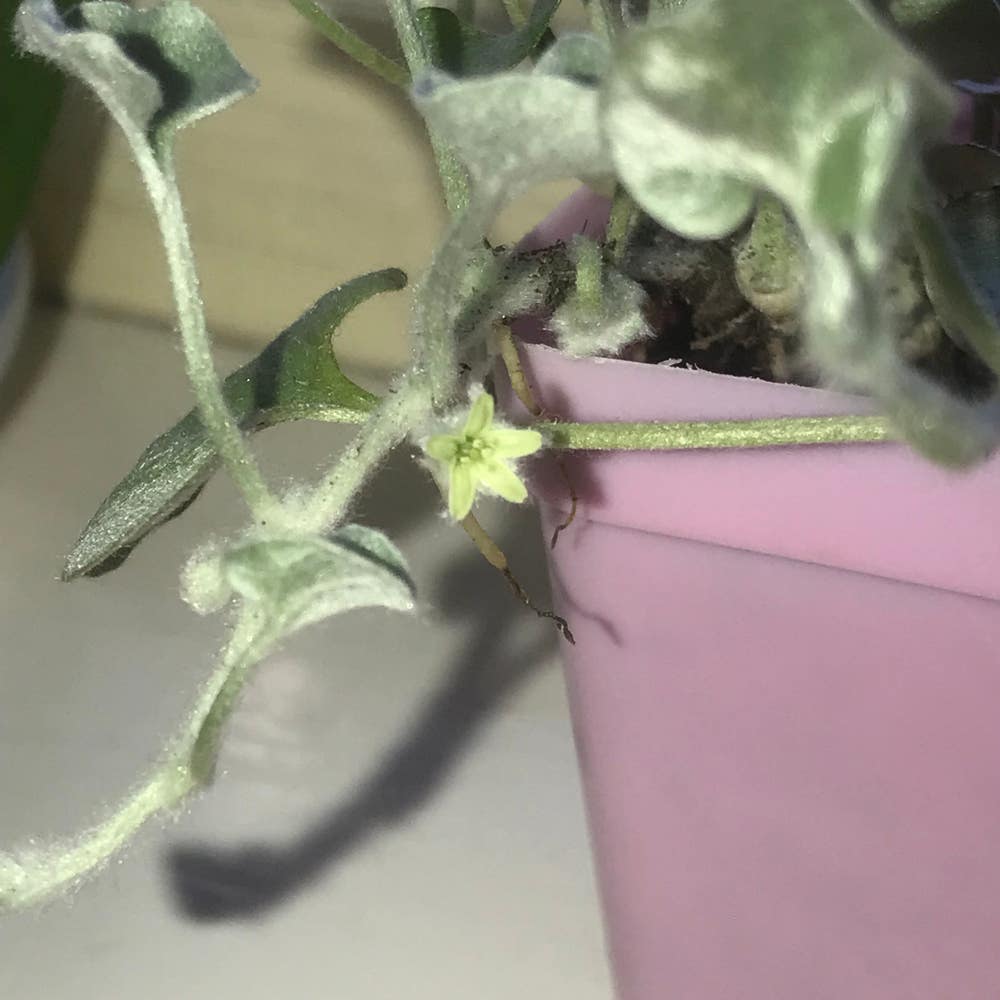
3 Ideal Locations to Plant Kidney Weed 🥄
Dichondra repens
By the Greg Editorial Team
Nov 07, 2024•4 min read
This article was created with the help of AI so we can cover more plants for you. May contain errors. See one? Report it here.
Master sunlight, soil, and site selection 🌱 to help your Kidney Weed thrive in any garden setting!
- ☀️ Kidney Weed needs 4-6 hours of sunlight daily for optimal growth.
- 🌱 Moist, well-drained soil with pH 6.0-7.5 is ideal for Kidney Weed.
- 🌿 Companion planting with moisture-loving plants boosts Kidney Weed's growth and health.
Sunlight Exposure Requirements
Optimal Conditions 🌞
Kidney Weed flourishes in environments that range from partial shade to full sun. For the best results, aim for 4 to 6 hours of direct sunlight each day.
Assessing Sunlight in Different Locations 🔍
To determine the best spots for planting, observe your garden throughout the day to track sun patterns. Alternatively, using a sunlight meter can provide precise measurements to ensure your Kidney Weed gets the light it needs.
Impact of Sun Exposure on Growth 🌱
When exposed to full sun, Kidney Weed exhibits robust growth and vibrant flowering. In contrast, partial shade can help retain moisture and protect the leaves from scorching, making it a versatile choice for various garden settings.
Understanding these sunlight exposure requirements is crucial for successful Kidney Weed cultivation. Next, we will explore the soil type preferences that will further enhance its growth.
Soil Type Preferences
Ideal Soil Conditions 🌱
Kidney Weed flourishes in moist, well-drained soils, making these conditions essential for its growth. This resilient plant can adapt to various soil types, including sandy and clay soils, which broadens its planting options.
Soil pH and Nutrient Requirements 🧪
For optimal growth, Kidney Weed prefers a soil pH range of 6.0 to 7.5. Nutrient-rich soils significantly enhance its development, so consider adding organic amendments to boost soil fertility.
Testing Soil Quality 🔍
To ensure your soil meets Kidney Weed's needs, employ a few straightforward methods for assessment. Use soil testing kits to check pH and nutrient levels, and perform a visual inspection to evaluate drainage and moisture retention.
By understanding these soil preferences, you can create the perfect environment for Kidney Weed to thrive. Next, we’ll explore how proximity to other plants or structures can further enhance its growth.
Proximity to Other Plants or Structures
🌱 Benefits of Companion Planting
Kidney Weed flourishes when planted alongside other moisture-loving plants. Ideal companions include marsh marigold, ferns, and various wetland species, which not only enhance growth but also create a visually appealing garden.
🏠 Considerations for Planting Near Structures
When planning your garden, avoid placing Kidney Weed too close to buildings. This helps prevent waterlogging and ensures that the plants have enough space for air circulation and sunlight access.
🎨 Designing Kidney Weed in Landscape
Incorporating Kidney Weed into your landscape design can elevate the overall aesthetic. Grouping it with similar moisture-loving plants creates a cohesive look, making your garden not just functional but also beautiful.
By thoughtfully considering the proximity of Kidney Weed to other plants and structures, you can create a thriving environment that showcases its unique beauty. Next, let’s explore how to assess microclimates in your garden for optimal growth.
Assessing Microclimates
🌍 Identifying Microclimates in Your Garden
Microclimates can significantly impact the growth of your Kidney Weed. Key factors include topography, such as hills and valleys, which can influence sunlight exposure and moisture levels.
Nearby structures like walls and fences also play a role. They can create sheltered areas that protect plants from harsh weather, making them ideal spots for your Kidney Weed.
🌱 Utilizing Microclimates for Kidney Weed
When selecting planting locations, look for areas with consistent moisture. These spots will help your Kidney Weed thrive, especially during dry spells.
Adjust your planting strategies based on your microclimate assessments. By understanding the unique conditions of your garden, you can optimize growth and ensure your Kidney Weed flourishes in its environment.
With a keen eye on microclimates, you can create a thriving habitat for your plants. Next, let’s explore effective site selection strategies to maximize your garden's potential.
Site Selection Strategies
Evaluating Garden Layout 🌿
When selecting locations for Kidney Weed, consider the overall design and flow of your garden. A well-thought-out layout not only enhances aesthetics but also ensures that your plants thrive.
Accessibility is key; make sure you can easily reach your Kidney Weed for maintenance and harvesting. This will save you time and effort in the long run.
Indoor vs. Outdoor Planting 🏡
If you're thinking about indoor planting, light availability is crucial. If natural light falls short, don't hesitate to use grow lights to give your Kidney Weed the boost it needs.
Humidity levels also play a significant role in indoor environments. Ensure that your space maintains adequate moisture to keep your plants healthy and vibrant.
Seasonal Considerations for Location 🌱
Adjust your planting strategies based on seasonal changes in light and moisture. This flexibility can significantly impact the health and growth of your Kidney Weed.
Planning for seasonal shifts in temperature and humidity is equally important. By anticipating these changes, you can create a more stable environment for your plants to flourish.
Incorporating these site selection strategies will set you up for success with Kidney Weed. Next, let’s explore how to assess microclimates in your garden for even better planting outcomes.
⚠️ Safety First
This content is for general information and may contain errors, omissions, or outdated details. It is not medical, veterinary advice, or an endorsement of therapeutic claims.
Always consult a qualified healthcare professional before using any plant as food, medicine, or supplement.
Never eat any plant (or feed one to pets) without confirming its identity with at least two trusted sources.
If you suspect poisoning, call Poison Control (800) 222-1222, the Pet Poison Helpline (800) 213-6680, or your local emergency service immediately.
Spotted an error? Please report it here.
Unlock the full potential of your Kidney Weed garden 🌞 with Greg's tailored care tips that ensure your plants bask in the right sunlight and moisture for thriving growth!