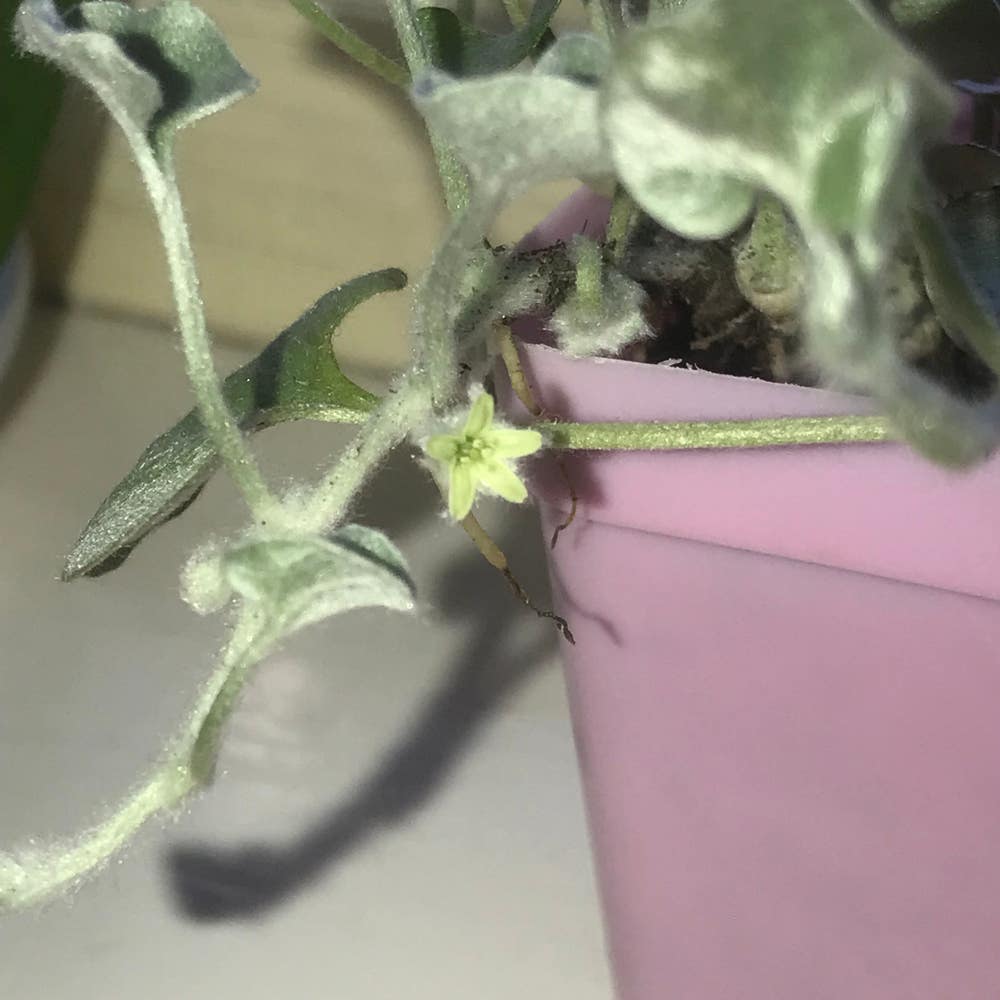
Propagating Kidney Weed: The Ultimate Guide
Dichondra repens
By the Greg Editorial Team
Nov 07, 2024•5 min read
This article was created with the help of AI so we can cover more plants for you. May contain errors. See one? Report it here.
Unlock a thriving garden with easy Kidney Weed propagation techniques! 🌱 Grow your green thumb today!
- 🌱 Select healthy stems for cuttings to ensure successful propagation of Kidney Weed.
- 📏 Optimal cutting length is 4-6 inches, promoting robust root development.
- 🌿 Humidity and warmth are crucial for encouraging root growth in cuttings.
Propagating Kidney Weed from Cuttings
🌱 Step-by-step instructions
To successfully propagate Kidney Weed from cuttings, start by selecting healthy stems. Look for stems that show no signs of disease or damage; this will set you up for success.
Next, cut the stems to a length of 4-6 inches. This size is optimal for rooting and will help ensure a robust new plant.
Now, prepare the cuttings by removing the lower leaves. This exposes the nodes, which are crucial for root development.
Applying rooting hormone is optional but highly recommended. It can significantly increase your chances of success by promoting faster root growth.
Finally, plant the cuttings in a well-draining potting mix or directly in the garden. Ensure they are placed in a suitable environment to thrive.
📏 Ideal cutting size and conditions
The optimal cutting size remains at 4-6 inches for the best rooting results.
For ideal conditions, aim for a warm, humid environment. This encourages root development and helps your cuttings establish themselves quickly.
🌿 Tips for rooting success
To enhance your rooting success, consider using a humidity dome or plastic bag. This will help maintain moisture levels around the cuttings.
Keep your cuttings out of direct sunlight until they develop roots. This prevents stress and allows them to focus on growing.
Lastly, monitor moisture levels closely. Ensure the soil remains consistently moist but not soggy to prevent drying out.
With these steps and tips, you’ll be well on your way to successfully propagating Kidney Weed from cuttings. Next, let’s explore how to propagate this plant from seeds for even more growth opportunities.
Propagating Kidney Weed from Seeds
🌱 Seed Collection and Preparation
Collecting seeds at the right time is crucial. Wait until they are fully mature and dry to ensure the best germination rates.
Once harvested, clean the seeds thoroughly to remove any debris. This step helps prevent mold and ensures a healthy start for your seedlings.
🌱 Germination Process
To plant your seeds, sow them at a depth of 1/4 inch. This depth is ideal for encouraging robust growth.
Expect germination to take about 14-21 days under optimal conditions. Keeping the temperature around 70°F (21°C) will significantly enhance your success.
🌱 Optimal Growing Conditions for Seedlings
Seedlings thrive in bright, indirect light. This lighting helps them grow strong without the risk of scorching.
Use well-draining, fertile soil with a pH between 6.0 and 7.0 for the best results. Consistently moist soil is essential, but avoid waterlogging to prevent root rot.
By following these steps, you’ll set your Kidney Weed seeds up for a successful start. Next, let’s explore how to propagate Kidney Weed through division for even more growth opportunities.
Propagating Kidney Weed by Division
🌱 When to Divide Kidney Weed
The best time to divide Kidney Weed is during early spring or fall. This timing aligns with the plant's active growth phase, ensuring a smoother transition for the divided sections.
🔪 Step-by-Step Division Process
Preparing the Area: Clear the surrounding soil and water the plant a day before you plan to divide it. This helps to soften the soil and makes the process easier.
Digging Up the Plant: Carefully lift the entire plant, ensuring you keep the roots intact. This step is crucial for the health of the divisions.
Dividing the Root Ball: Use a sharp spade to cut the root ball into sections that are 2-3 inches wide. This size is optimal for replanting and encourages healthy growth.
Replanting Divisions: Place each section in well-draining soil at the same depth as the original plant. This helps the new divisions acclimate quickly.
🌿 Post-Division Care Tips
Watering: Keep the soil moist for the first few weeks after division. This is vital for helping the new plants establish their roots.
Light Exposure: Provide partial shade until new growth appears. This protects the divisions from stress while they recover.
Fertilization: After 4-6 weeks, give the plants a light feeding with a balanced fertilizer. This boosts their growth and vitality.
Dividing Kidney Weed can be a rewarding experience, leading to a thriving garden. With the right timing and care, your divisions will flourish and contribute to your green space. Next, we’ll explore the comparison of different propagation methods to help you choose the best approach for your needs.
Comparison of Propagation Methods
Pros and Cons of Each Method 🌱
Cuttings
Cuttings are a popular choice for propagating kidney weed due to their quick results. They allow you to retain the parent plant's characteristics, making it easier to replicate desirable traits.
However, this method requires specific conditions for successful rooting. If the environment isn't right, your cuttings may struggle to thrive.
Seeds
Using seeds can be rewarding as it often produces a larger number of plants. This method also introduces genetic diversity, which can lead to unique variations in your garden.
On the downside, seeds have a longer germination time and require more care initially. Patience is key when opting for this propagation method.
Division
Dividing kidney weed offers immediate results and maintains the established root system. This method is particularly effective for rejuvenating older plants.
Yet, division can stress the parent plant if not executed carefully. Timing and technique are crucial to ensure the health of both the parent and the new divisions.
Best Practices for Successful Propagation 🌿
To maximize your success with kidney weed propagation, choose the right method based on your available resources and desired outcomes. Each method has its strengths, so consider what fits best with your gardening style.
Monitoring environmental conditions closely is essential for optimal growth. Whether you're using cuttings, seeds, or division, keeping an eye on temperature, humidity, and light will make a significant difference.
Lastly, always use quality materials—soil, pots, and tools—to enhance your success rates. Investing in good supplies pays off in healthier plants and a more fruitful gardening experience.
With these insights, you're well-equipped to choose the best propagation method for your kidney weed. Next, let's dive into the specifics of propagating kidney weed from cuttings.
⚠️ Safety First
This content is for general information and may contain errors, omissions, or outdated details. It is not medical, veterinary advice, or an endorsement of therapeutic claims.
Always consult a qualified healthcare professional before using any plant as food, medicine, or supplement.
Never eat any plant (or feed one to pets) without confirming its identity with at least two trusted sources.
If you suspect poisoning, call Poison Control (800) 222-1222, the Pet Poison Helpline (800) 213-6680, or your local emergency service immediately.
Spotted an error? Please report it here.
Propagating Kidney Weed can be thrilling 🌿 when you follow the right steps, and with Greg's tailored reminders and expert guidance, you'll cultivate thriving plants in no time!