🐝 Step-by-Step Guide to Pollinating Kidney Weed
Dichondra repens
By the Greg Editorial Team
Nov 07, 2024•6 min read
This article was created with the help of AI so we can cover more plants for you. May contain errors. See one? Report it here.
Unlock the secrets of kidney weed's flowers 🌼 to boost your garden's pollination success and biodiversity!
- 🌼 Kidney weed flowers are crucial for reproduction, attracting vital pollinators like bees and butterflies.
- 🤝 Self-pollination occurs in high humidity, but cross-pollination boosts genetic diversity.
- 🛠️ Hand-pollination is effective with simple tools like brushes for better plant success.
Flower Structure
Description of Flower Characteristics 🌼
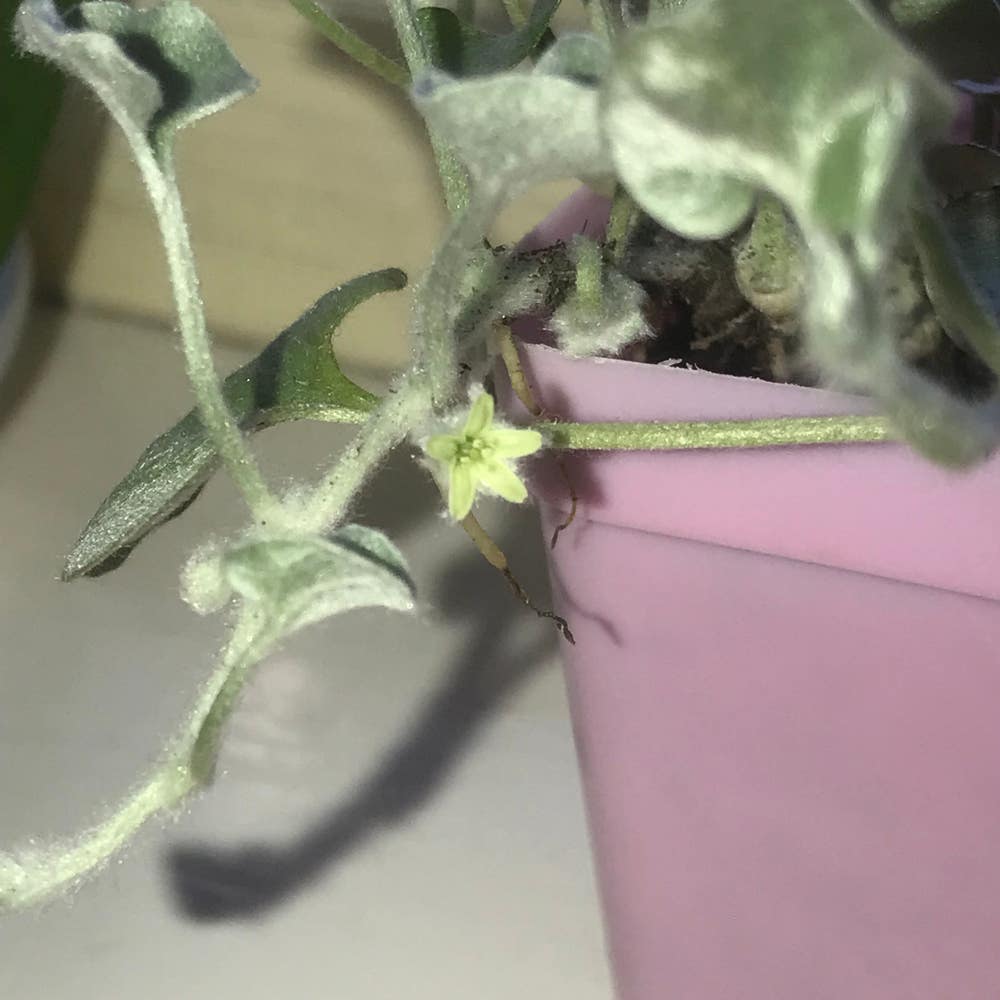
Kidney weed features small, inconspicuous flowers that often go unnoticed. These greenish-yellow blooms are typically clustered in axillary positions, making them a subtle yet essential part of the plant's reproductive strategy.
The leaves of kidney weed are distinctively kidney-shaped and low-growing, forming dense mats that can cover the ground. This unique foliage not only supports the plant's growth but also plays a role in its overall pollination success.
Role in Pollination 🐝
The flowers of kidney weed are designed for self-pollination, possessing both male (stamens) and female (pistils) parts. This self-fertilization capability ensures that the plant can reproduce even in the absence of external pollinators.
However, kidney weed also benefits from cross-pollination. The structure of the flowers facilitates pollen transfer through wind and insect activity, which enhances genetic diversity and resilience in the population. This dual approach to pollination makes kidney weed a fascinating study in plant reproductive strategies.
As we delve deeper into the pollination process, understanding these foundational characteristics will help us appreciate the intricacies of kidney weed's reproductive success.
Pollination Process
Mechanisms of Self-Pollination 🌱
Kidney weed has a fascinating ability to self-pollinate. Pollen transfer can occur within the same flower or between flowers on the same plant, ensuring reproduction even in the absence of external pollinators.
High humidity levels and a lack of pollinator activity create ideal conditions for self-pollination. This adaptability allows kidney weed to thrive in various environments.
Identification of Primary Pollinators 🐝
While kidney weed can self-pollinate, it also benefits from the help of various pollinators. Key species include:
- Bees: Attracted by the flower's color and scent, bees play a crucial role in transferring pollen.
- Butterflies: Drawn to the nectar, butterflies assist in cross-pollination, enhancing genetic diversity.
- Moths and Hummingbirds: Though less common, these creatures can also contribute to the pollination process.
Understanding these pollinators helps in appreciating the intricate relationships within ecosystems.
Attraction Strategies for Pollinators 🎯
To maximize pollination success, kidney weed employs several strategies.
Flowering Time: Synchronizing flowering with peak pollinator activity ensures that flowers are open when pollinators are most active.
Scent and Nectar Production: The production of enticing scents and nectar enhances attraction, drawing in a variety of pollinator species. This not only aids in pollination but also supports the overall health of the plant.
By understanding these processes, gardeners and enthusiasts can better support kidney weed and its pollinators. This knowledge sets the stage for effective hand pollination techniques, which we will explore next.
Hand Pollination
Step-by-Step Instructions for Hand-Pollinating Kidney Weed 🌼
Hand-pollinating kidney weed can be a rewarding experience. Follow these simple steps to ensure successful pollination.
Identify Male and Female Flower Parts:
Start by locating the male and female parts of the flower. The male parts are the stamens, which produce pollen, while the female parts are the pistils, responsible for receiving the ovules.Collecting Pollen:
Use a small brush or cotton swab to gather pollen from the stamens. This gentle approach helps preserve the delicate flower structure while ensuring you collect enough pollen.Transferring Pollen:
Gently apply the collected pollen to the stigma of the female flower. This step is crucial for fertilization, so take your time to ensure thorough coverage.Timing:
Perform this process during peak flowering periods for maximum success. Pollination is most effective when flowers are fully open and ready to receive pollen.
Techniques for Collecting and Transferring Pollen 🛠️
Having the right tools can make hand-pollination easier and more effective. Here’s what you’ll need:
- Tools Needed:
- A small brush or cotton swab for pollen collection. This allows for precision and minimizes damage to the flowers.
- A clean container for pollen storage if you’re not using it immediately. This keeps the pollen viable until you’re ready to transfer it.
By following these steps and using the right tools, you can enhance the pollination process for kidney weed. This not only supports the plant's growth but also contributes to a more vibrant ecosystem.
As you embark on this hand-pollination journey, remember that your efforts can significantly impact the plant's reproductive success. Next, let’s explore how to create a pollinator-friendly environment that supports these vital creatures.
Supporting Pollinators
🌼 Creating a Pollinator-Friendly Environment
To support pollinators, start by enhancing their habitats. Planting native flowers that bloom at different times ensures a continuous food source throughout the growing season.
Additionally, providing water sources and shelter is crucial. Simple features like birdbaths or small ponds can attract thirsty pollinators, while dense shrubs or grasses offer protection from predators.
🐝 Companion Plants that Attract Beneficial Pollinators
Choosing the right companion plants can significantly boost your garden's pollinator activity. For instance, lavender is a favorite among bees and butterflies, thanks to its fragrant blooms.
Marigolds are another excellent choice, known for drawing various pollinator species. Their bright colors and easy care make them a perfect addition to any garden aimed at supporting pollination efforts.
By implementing these strategies, you can create a thriving ecosystem that not only benefits kidney weed but also contributes to the overall health of local pollinator populations. This nurturing approach fosters biodiversity and enhances the beauty of your garden.
Pollination Challenges
🌪️ Common Obstacles to Successful Pollination
Pollination can be tricky for kidney weed due to various environmental factors. Temperature fluctuations can disrupt pollinator activity and affect flower viability, while low humidity levels may hinder self-pollination.
🛠️ Solutions for Overcoming Environmental Challenges
To tackle these challenges, it's essential to monitor weather conditions closely. Adjusting care practices, like watering schedules, can help, and using protective measures such as shade cloths during extreme heat can safeguard your plants.
🌱 Seasonal Variations in the Pollination Process
Flowering times for kidney weed can shift with changing climate conditions, impacting pollination success. Additionally, pollinator activity levels often fluctuate with the seasons, which can influence opportunities for cross-pollination.
Understanding these challenges and solutions not only enhances your gardening skills but also contributes to a thriving ecosystem. As we move forward, let's explore how to create a pollinator-friendly environment that supports these vital creatures.
⚠️ Safety First
This content is for general information and may contain errors, omissions, or outdated details. It is not medical, veterinary advice, or an endorsement of therapeutic claims.
Always consult a qualified healthcare professional before using any plant as food, medicine, or supplement.
Never eat any plant (or feed one to pets) without confirming its identity with at least two trusted sources.
If you suspect poisoning, call Poison Control (800) 222-1222, the Pet Poison Helpline (800) 213-6680, or your local emergency service immediately.
Spotted an error? Please report it here.
Boost your kidney weed's pollination success 🌼 with Greg's tailored tips and reminders, ensuring a thriving garden and happy pollinators all around!