🐞 Ultimate Guide to What's Eating Your Kidney Weed
Dichondra repens
By the Greg Editorial Team
Nov 07, 2024•6 min read
This article was created with the help of AI so we can cover more plants for you. May contain errors. See one? Report it here.
Protect your kidney weed from hungry herbivores while inviting beneficial wildlife into your garden! 🌱
- 🌱 Kidney Weed features unique kidney-shaped leaves, forming a dense green mat in gardens.
- 🦌 Deer and rabbits threaten Kidney Weed, but repellents and fencing can deter them.
- 🐦 Birds can help or harm Kidney Weed; use decoys to protect seedlings effectively.
Appearance and Appeal
Kidney Weed is easily recognizable thanks to its unique kidney-shaped leaves and low growth habit. This plant forms a dense mat, creating a lush green carpet that can be quite appealing in gardens.
🐾 Most Appealing Parts to Animals
Several parts of the Kidney Weed attract various animals.
Young Shoots: These are tender and nutritious, making them a favorite among herbivores.
Fruits: Small and round, the fruits are enticing to a range of wildlife.
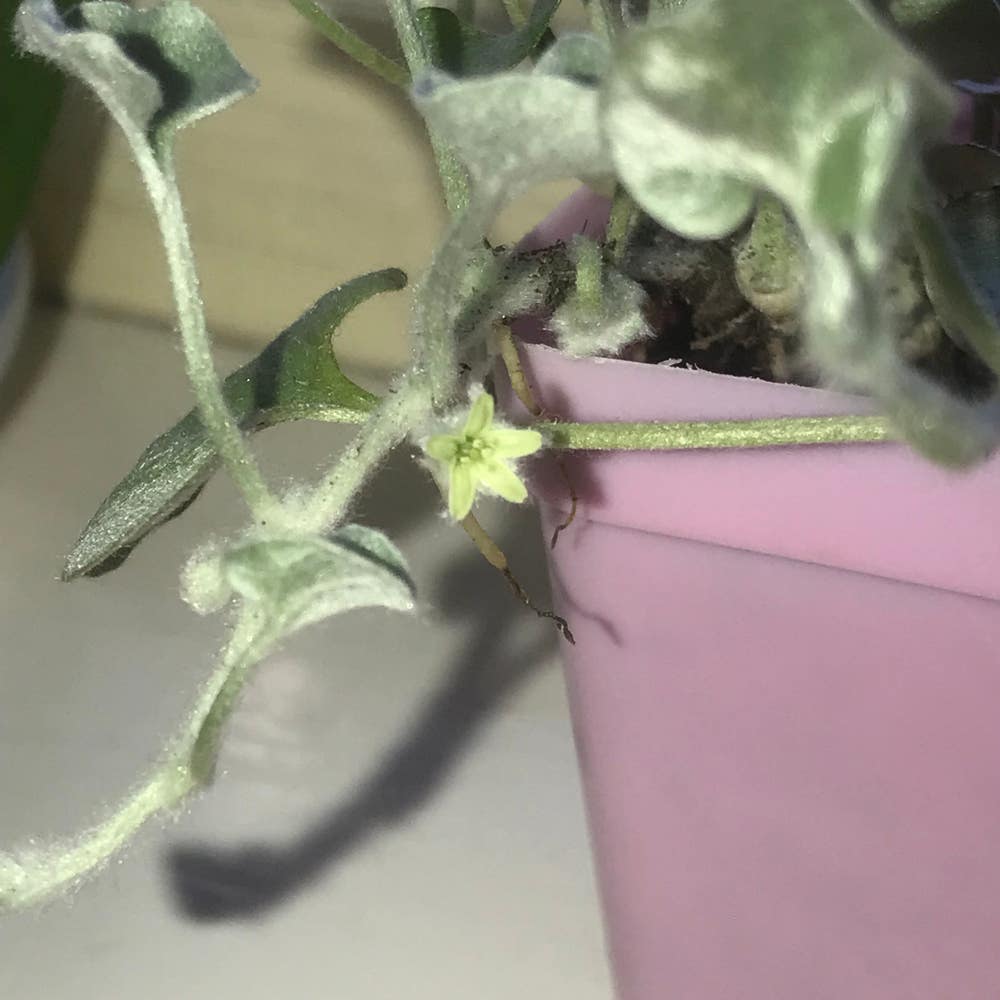
Flowers: Although inconspicuous, the flowers can attract pollinators, playing a crucial role in the ecosystem.
Understanding the appeal of Kidney Weed helps gardeners appreciate its role in attracting both beneficial and harmful wildlife. This knowledge can guide effective management strategies to protect your garden while enjoying the beauty of this unique plant.
As we delve deeper into the interactions between Kidney Weed and its herbivores, we’ll explore the common animals that may pose a threat to its growth.
Common Herbivores
🦌 Deer
Signs and Damage
Deer are notorious for their appetite for kidney weed. Look for browsed leaves and hoof prints, which indicate their presence. The damage is often severe, with leaves stripped off and stunted growth in young plants.
Interaction
These herbivores can be particularly harmful, sometimes killing young plants entirely. Their grazing habits can quickly turn a thriving garden into a barren landscape.
Deterrent Methods
To keep deer at bay, consider using commercial deer repellents. Alternatively, you can plant deer-resistant species or use human hair and soap shavings as organic deterrents.
🐇 Rabbits
Signs and Damage
Rabbits leave clear signs of their munching habits. You’ll notice cleanly cut stems and droppings scattered around, indicating their feasting. They can gnaw leaves and stems down to the ground, causing rapid damage.
Interaction
Rabbits can decimate young plants in no time. Their insatiable appetite makes them a significant threat to your garden.
Deterrent Methods
For a quick fix, apply bitter-tasting sprays to deter rabbits. You can also erect fencing that stands 2-3 feet high or plant rabbit-resistant varieties to protect your kidney weed.
🐿️ Squirrels
Signs and Damage
Squirrels are sneaky little critters that leave behind chewed leaves and disturbed soil. Their digging can uproot plants, causing considerable stress to your kidney weed.
Interaction
These furry bandits can be quite harmful, leading to significant plant stress. Their antics can disrupt the delicate balance of your garden ecosystem.
Deterrent Methods
Capsaicin-based sprays can help deter squirrels effectively. Additionally, employing scare tactics like reflective tape or noise makers can keep them at bay.
🐦 Birds
Signs and Damage
Birds can be both friends and foes in the garden. Look for pecked leaves and nests nearby as signs of their activity. While some birds help control pests, others can destroy seedlings and cause fruit loss.
Interaction
Birds have a mixed impact; they can be beneficial but also damaging. Understanding their role is crucial for maintaining a healthy garden.
Deterrent Methods
Non-toxic bird repellents can help protect your plants. You might also consider using netting over vulnerable areas or placing decoys, like plastic owls, to scare them off.
🐾 Rodents and Groundhogs
Signs and Damage
Rodents and groundhogs can wreak havoc in your garden. Look for tunnels, droppings, and gnaw marks from rodents, or large burrows and clipped plants from groundhogs. Their damage can range from root destruction to the complete annihilation of young shoots.
Interaction
These pests are generally harmful and can lead to significant plant loss. Their presence can quickly turn your garden into a battleground.
Deterrent Methods
For serious infestations, consider using rodent bait stations or commercial repellents. Organic options include traps, planting deterrent herbs like mint, or erecting fencing that stands 3-4 feet high.
Understanding the common herbivores that threaten your kidney weed is essential for effective garden management. By implementing the right deterrent methods, you can protect your plants and maintain a thriving ecosystem. Next, let’s explore the beneficial animals that can help enhance your garden’s health.
Beneficial Animals
🐝 Description and Impact
Kidney weed isn't just a target for herbivores; it also attracts beneficial animals that play crucial roles in the ecosystem. Pollinators like bees and butterflies are drawn to its flowers, helping to ensure the plant's reproduction.
Predatory insects, such as ladybugs and lacewings, are equally important. They feast on pests that threaten kidney weed, creating a natural balance in your garden.
🌍 Positive Ecosystem Contributions
The presence of pollinators significantly enhances fruit and seed production. Their hard work ensures that kidney weed can thrive and spread, contributing to a vibrant ecosystem.
Additionally, the pest control provided by predatory insects helps keep harmful insect populations in check. This not only promotes the health of kidney weed but also supports the overall biodiversity of your garden.
Understanding these beneficial interactions can inspire you to cultivate a more harmonious environment. By fostering relationships with these helpful creatures, you can create a thriving garden that benefits both plants and wildlife.
As we explore protection strategies next, consider how these beneficial animals can influence your approach to managing herbivore threats.
Protection Strategies
🛡️ Preventive Measures
To keep your kidney weed thriving, consider planting companion plants that naturally deter herbivores. These plants can create a protective barrier, making your garden less appealing to hungry critters.
Regular monitoring for signs of animal activity is crucial. Look for droppings, chewed leaves, or hoof prints to catch any potential threats early.
⚠️ Reactive Solutions
If you notice damage, act quickly by removing affected plants. This helps prevent further attraction of herbivores to your garden.
Using barriers like fencing or netting can effectively protect vulnerable areas. These physical deterrents create a safe haven for your kidney weed.
🌦️ Seasonal Variations
Be aware that animal activity varies with the seasons. In spring, rabbits and deer become more active, posing a greater risk to young plants.
As fall approaches, squirrels and rodents ramp up their foraging efforts. Staying vigilant during these times can help you safeguard your garden against these seasonal threats.
By implementing these strategies, you can create a thriving environment for your kidney weed while minimizing the impact of herbivores. Next, let’s explore the toxicity and safety of kidney weed and how it affects your garden ecosystem.
Toxicity and Safety
⚠️ Toxic Effects
Kidney Weed exhibits mild toxicity, which can be a double-edged sword. While some parts of the plant may deter certain herbivores, they can also attract others that are less sensitive to its chemical makeup.
🛠️ Management Implications
Understanding the toxicity of Kidney Weed is crucial for managing animal attraction effectively. By balancing plant health with the presence of herbivores, you can create a thriving garden ecosystem that minimizes damage while supporting biodiversity.
🔍 Practical Considerations
Monitoring your garden for signs of animal activity can help you gauge the effectiveness of your strategies. This proactive approach allows you to adapt your methods based on the specific herbivores in your area.
🌱 Final Thoughts
Incorporating knowledge about toxicity into your gardening practices not only protects your plants but also fosters a healthier environment. Embracing this balance can lead to a more vibrant and resilient garden.
As we explore further, let’s dive into effective protection strategies to safeguard your Kidney Weed from those pesky herbivores.
⚠️ Safety First
This content is for general information and may contain errors, omissions, or outdated details. It is not medical, veterinary advice, or an endorsement of therapeutic claims.
Always consult a qualified healthcare professional before using any plant as food, medicine, or supplement.
Never eat any plant (or feed one to pets) without confirming its identity with at least two trusted sources.
If you suspect poisoning, call Poison Control (800) 222-1222, the Pet Poison Helpline (800) 213-6680, or your local emergency service immediately.
Spotted an error? Please report it here.
Safeguard your Kidney Weed and create a thriving garden ecosystem 🌱 with Greg's tailored monitoring and deterrent strategies to keep herbivores at bay!