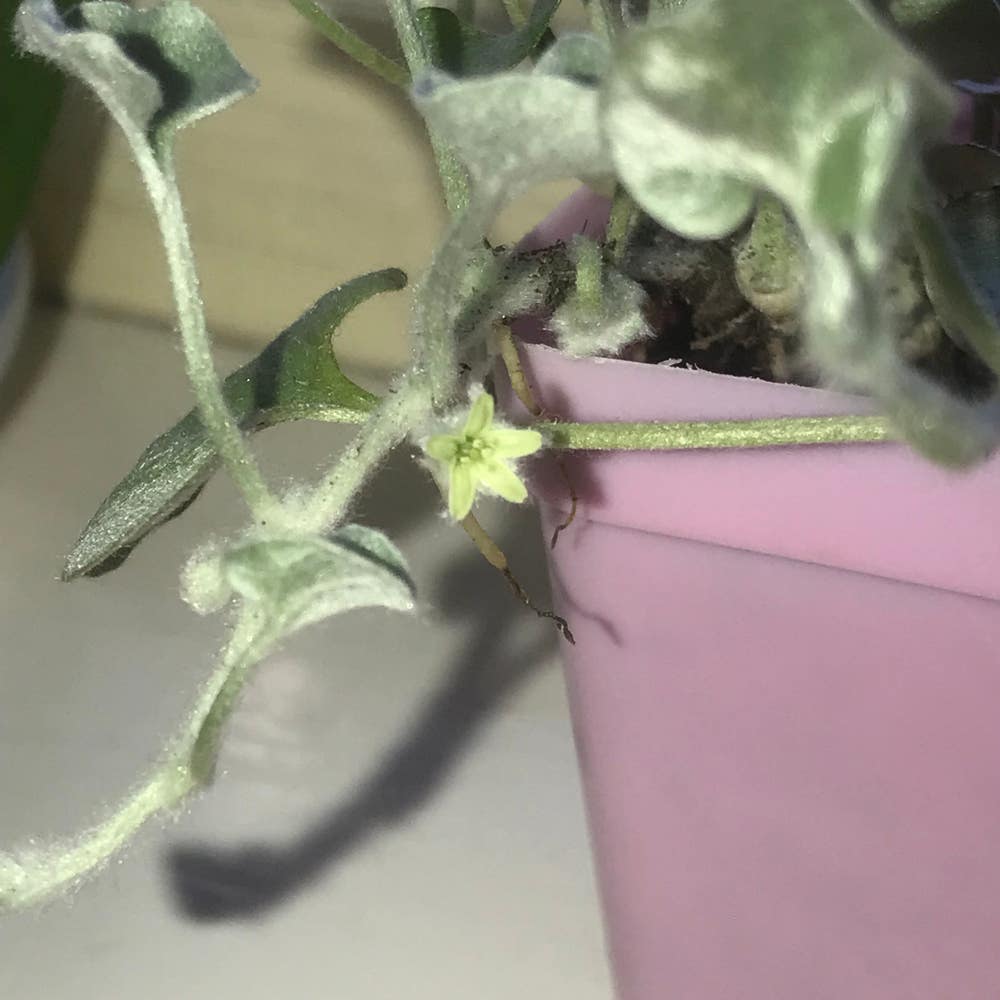
4 Ways to Protect Kidney Weed from Bugs 🐛
Dichondra repens
By the Greg Editorial Team
Nov 07, 2024•7 min read
This article was created with the help of AI so we can cover more plants for you. May contain errors. See one? Report it here.
Keep your kidney weed thriving and pest-free with these essential tips for a flourishing garden! 🌿
- 🐛 Kidney weed faces pests like spider mites, aphids, and mealybugs; know the signs!
- 🌱 Early detection and treatment are crucial for protecting your kidney weed from damage.
- 🧼 Maintain plant hygiene and healthy soil to prevent pest infestations effectively.
Common Pests Affecting Kidney Weed
🕷️ Spider Mites
Identification
Spider mites are tiny, spider-like creatures that often hide on the undersides of leaves. Look for signs like fine webbing and stippled or yellowing leaves, which indicate their presence.
Damage
These pests feed on plant sap, leading to weakened plants and reduced growth. If left unchecked, they can significantly impact the health of your kidney weed.
Treatment Options
For chemical solutions, consider using miticides specifically designed to target spider mites. Alternatively, organic options include neem oil or insecticidal soap, and increasing humidity around the plant can also help deter them.
🐞 Scale Insects
Identification
Scale insects are small, oval-shaped pests that appear as bumps on stems and leaves. If you notice sticky leaves, it may indicate honeydew excretion from these sap-sucking insects.
Damage
Scale insects can cause yellowing and leaf drop as they feed on the plant's sap. Their presence can lead to a decline in overall plant vitality.
Treatment Options
For severe infestations, systemic insecticides can be effective. On the organic side, manually removing them with a soft brush or a cotton swab dipped in alcohol can help keep them at bay.
🦟 Fungus Gnats / Fruit Flies
Identification
Fungus gnats are small, dark flies that hover around the soil surface. Their larvae, tiny and white, can be found in the soil, feeding on plant roots.
Damage
The larvae feed on roots, leading to stunted growth and wilting of your kidney weed. This can be particularly problematic for young plants.
Treatment Options
Chemical insecticides targeting larvae in the soil can provide quick relief. For an organic approach, allow the soil to dry out between waterings and use yellow sticky traps to catch the adults.
🐛 Mealybugs
Identification
Mealybugs appear as white, cottony masses on stems and leaf joints. Their presence is a clear sign that your plant may be under threat.
Damage
These pests are also sapsuckers, weakening plants and potentially leading to sooty mold. Their feeding can significantly affect the plant's health.
Treatment Options
Insecticidal soap or systemic insecticides can effectively combat mealybugs. Alternatively, you can use rubbing alcohol on cotton swabs to manually remove them.
🐜 Aphids
Identification
Aphids are small, soft-bodied insects that can be green, black, or brown. They are often found in clusters on new growth, making them easy to spot.
Damage
Feeding by aphids leads to curled leaves and stunted growth, and they can even transmit plant viruses. Their rapid reproduction can quickly escalate an infestation.
Treatment Options
Broad-spectrum insecticides can help manage aphid populations. For an organic solution, consider introducing beneficial insects like ladybugs or using neem oil.
🦋 Whiteflies
Identification
Whiteflies are small, white, moth-like insects that fly up when disturbed. Their presence can often go unnoticed until they swarm.
Damage
Feeding by whiteflies causes yellowing leaves and can lead to sooty mold. They can be particularly damaging if not addressed promptly.
Treatment Options
Insecticides specifically designed for whiteflies can be effective. Organic methods include using yellow sticky traps and insecticidal soap to control their numbers.
🐞 Weevils
Identification
Weevils are small beetles with elongated snouts, and their larvae are white and grub-like. They can be challenging to spot until damage occurs.
Damage
The larvae feed on roots, causing wilting and poor growth. This can severely affect the overall health of your kidney weed.
Treatment Options
For chemical control, soil-drench insecticides can target larvae effectively. Alternatively, diatomaceous earth around the base of the plant can serve as an organic deterrent.
Understanding these common pests and their impacts on kidney weed is crucial for maintaining healthy plants. By employing the right treatment options, you can protect your kidney weed from these unwelcome visitors and ensure its thriving growth.
Pest Resistance
🌱 Natural Pest Resistance Characteristics
Kidney Weed is a resilient plant, showcasing natural resistance to various pests. Its robust growth and adaptability make it less appealing to many common invaders.
🐛 Pests Less Likely to Affect Kidney Weed
Larger pests, such as caterpillars and beetles, tend to steer clear of Kidney Weed. This is largely due to its low growth habit and tough foliage, which provide a less hospitable environment for these critters.
Understanding these resistance traits can empower gardeners to cultivate healthier plants. By leveraging Kidney Weed's natural defenses, you can enjoy a thriving garden with fewer pest-related worries.
Next, let’s explore effective prevention strategies to keep your Kidney Weed flourishing.
Prevention Strategies
🛡️ Preventative Measures to Avoid Pest Infestations
Keeping your kidney weed healthy is your first line of defense against pests. Regular inspections are crucial; check your plants frequently for any early signs of trouble.
Healthy soil is equally important. Avoid overwatering, as soggy conditions can attract pests looking for a cozy home.
🧼 Tips on Plant Hygiene and Regular Inspection Routines
Plant hygiene plays a significant role in pest prevention. Make it a habit to clean up fallen leaves and debris around your plants to eliminate potential hiding spots for pests.
Establish a weekly inspection routine. This proactive approach allows you to catch infestations early, making management much easier and less stressful.
By implementing these strategies, you can significantly reduce the risk of pest infestations and keep your kidney weed thriving. Next, we’ll explore general pest management techniques that can further protect your plants.
General Pest Management
🌱 Integrated Pest Management (IPM) Principles for Kidney Weed
Integrated Pest Management (IPM) is a holistic approach to pest control that combines cultural, biological, and chemical practices. By focusing on maintaining the health of your Kidney Weed, you can significantly reduce its susceptibility to pests.
Cultural practices include proper watering and fertilization, which promote strong growth. Biological methods might involve introducing beneficial insects that prey on pests, while chemical treatments should be used judiciously to minimize harm to the environment.
🔍 Importance of Early Detection and Intervention
Early detection of pest issues is crucial for effective management. Identifying problems at their onset can prevent severe damage and reduce the need for extensive treatments later on.
Regular inspections of your plants can help catch infestations before they escalate. This proactive approach not only saves your Kidney Weed but also fosters a healthier growing environment.
With these strategies in place, you can enjoy a thriving garden while keeping pests at bay. Next, let’s explore how to distinguish between similar pests that may invade your plants.
Distinguishing Between Similar Pests
Tips for Identifying Different Types of Pests That May Look Similar 🐞
Identifying pests can be tricky, especially when they share similar features. To differentiate between pests like aphids and mealybugs, focus on their size, color, and feeding habits.
Aphids are typically small and can be green, black, or brown, often clustering on new growth. In contrast, mealybugs present as white, cottony masses, usually found at leaf joints or stems.
Visual Cues and Characteristics to Differentiate Pests 🔍
Visual cues are essential for accurate pest identification. For instance, aphids often leave behind a sticky substance known as honeydew, which can attract other pests.
On the other hand, scale insects can be identified by their sticky leaves, a result of their sap-sucking habits. Keeping a reference of pest pictures can be incredibly helpful in spotting these differences quickly.
Understanding these distinctions not only aids in effective pest management but also empowers you to take action before infestations escalate. With keen observation and a little practice, you'll become adept at identifying and addressing pest issues in your kidney weed.
Next, we’ll explore effective prevention strategies to keep your plants healthy and pest-free.
⚠️ Safety First
This content is for general information and may contain errors, omissions, or outdated details. It is not medical, veterinary advice, or an endorsement of therapeutic claims.
Always consult a qualified healthcare professional before using any plant as food, medicine, or supplement.
Never eat any plant (or feed one to pets) without confirming its identity with at least two trusted sources.
If you suspect poisoning, call Poison Control (800) 222-1222, the Pet Poison Helpline (800) 213-6680, or your local emergency service immediately.
Spotted an error? Please report it here.
Keep your kidney weed thriving 🌱 by using Greg's tailored pest alerts and identification tools to outsmart those pesky bugs before they strike!