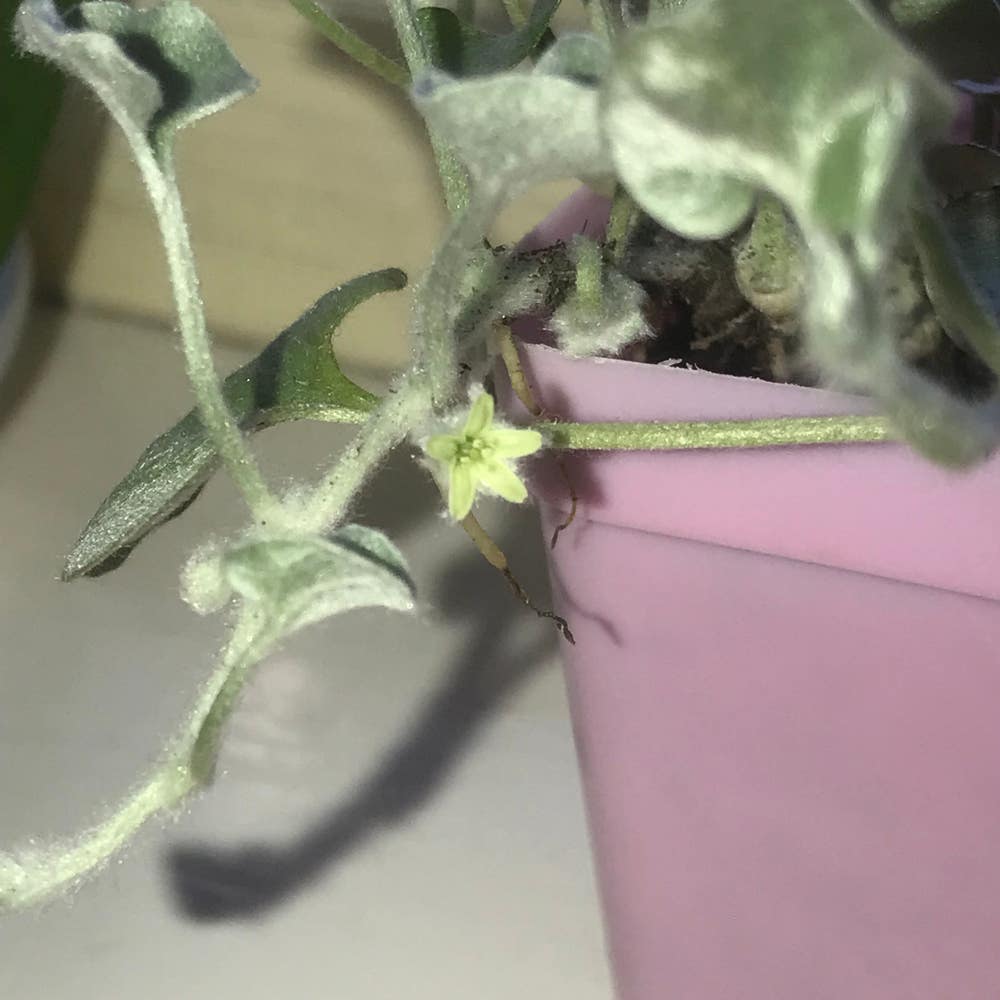
Fertilizing My Dichondra repens
Dichondra repens
By the Greg Editorial Team
Feb 28, 2024•4 min read
This article was created with the help of AI so we can cover more plants for you. May contain errors. See one? Report it here.
Nurture a lush Dichondra repens 🌿 with the perfect fertilizer mix and timing for vibrant growth and blooms.
- NPK ratios matter for Dichondra repens' health—choose fertilizer wisely.
- Fertilize in spring during active growth; less in autumn.
- Avoid over-fertilization; watch for yellow leaves and white soil buildup.
Picking the Right Fertilizer for Your Dichondra repens
💡 Understanding NPK Ratios
NPK ratios are the backbone of plant nutrition, dictating the balance of nitrogen (N), phosphorus (P), and potassium (K) in fertilizers. Nitrogen fuels the lush greenery of Dichondra repens, while phosphorus is crucial for root strength and flower development. Potassium ensures the plant's overall vitality. For Dichondra repens, a balanced NPK ratio, such as 10-10-10, is typically recommended, but always consider the specific needs of your soil and plants.
🌱 Organic vs. Synthetic: Making an Informed Choice
When choosing between organic and synthetic fertilizers for Dichondra repens, think of it as a choice between a slow-release nutrient buffet and a fast-food nutrient blast. Organic fertilizers break down gradually, feeding your Dichondra repens over time and improving soil structure. They're less likely to cause nutrient burn but can be, let's say, fragrantly robust. Synthetic fertilizers offer a quick nutrient hit, perfect for a rapid green-up. However, they can lead to salt build-up and potential root damage if overused. Your choice hinges on your gardening style and the immediate needs of your Dichondra repens.
Timing is Everything: When to Fertilize
🌱 Reading the Signs of Growth
Active growth in Dichondra repens is your green light for fertilization. Look for new runners or a flush of fresh leaves. These signs indicate your plant is ready to absorb and utilize nutrients effectively.
🍂 Seasonal Fertilization Tips
Spring is prime time; this is when Dichondra repens kicks into high gear. A balanced fertilizer can support this surge of activity. As summer wanes, ease up. By autumn, a light touch is best—think of it as prepping your plant for a restful winter, not a nutrient marathon.
Fertilizing Like a Pro
💡 Dosage and Application Techniques
Fertilizing your Dichondra repens isn't about dumping a bag of nutrients and calling it a day. Precision is key. Monthly fertilization with 1/2 - 1 lb of nitrogen per 1,000 square feet is the sweet spot. Before you even think about fertilizing, ensure the plants are dry. Afterward, a good watering will wash the fertilizer off the leaves and into the soil, where it belongs.
💡 Best Practices for Applying Fertilizer to Dichondra repens
Even distribution is your mantra when fertilizing Dichondra repens. Sprinkle the fertilizer around the plant's base, avoiding a direct hit on the foliage to prevent burn. Granular types should be lightly scratched into the soil, while liquid feeds need diluting as per package instructions. Post-application, water generously to help the nutrients penetrate and to prevent residue buildup on the leaves.
💡 Avoiding Common Pitfalls
The road to lush Dichondra repens is paved with good intentions—and sometimes too much fertilizer. To prevent fertilizer burn, stick to recommended amounts; less is often more. Uneven growth? That's a sign of nutrient hotspots. Ensure you're not just feeding one area. Remember, a consistent hand yields the best results. Keep protective gear on hand when dealing with chemicals, and always store fertilizers out of reach of kids and pets.
Dealing with Too Much Love: Over-Fertilization
🚨 Spotting the Telltale Signs
Yellowing leaves, stunted growth, and a crusty white buildup on the soil are your Dichondra repens' way of saying, "I'm stuffed!" These symptoms scream over-fertilization. Brown leaf edges? That's the plant equivalent of a nutritional hangover.
💦 Quick Fixes and Long-Term Solutions
Caught red-handed with the fertilizer bag? First, stop all fertilization. Remove any visible fertilizer from the soil surface like you're picking up litter. Flush the soil with water to rinse away the excess – think of it as a cleanse for your plant's roots. Repeat this every few days, and watch for signs of your Dichondra repens perking up.
Long-term, it's about restraint and observation. Stick to the recommended dosage and frequency like it's the law. Regularly flush the pot to prevent salt buildup. If your Dichondra repens could talk, it would probably say, "Everything in moderation, please!"
⚠️ Safety First
This content is for general information and may contain errors, omissions, or outdated details. It is not medical, veterinary advice, or an endorsement of therapeutic claims.
Always consult a qualified healthcare professional before using any plant as food, medicine, or supplement.
Never eat any plant (or feed one to pets) without confirming its identity with at least two trusted sources.
If you suspect poisoning, call Poison Control (800) 222-1222, the Pet Poison Helpline (800) 213-6680, or your local emergency service immediately.
Spotted an error? Please report it here.
Nurture a lush Dichondra repens carpet 🌱 with Greg's tailored fertilization reminders, ensuring you hit the perfect NPK ratio every time.