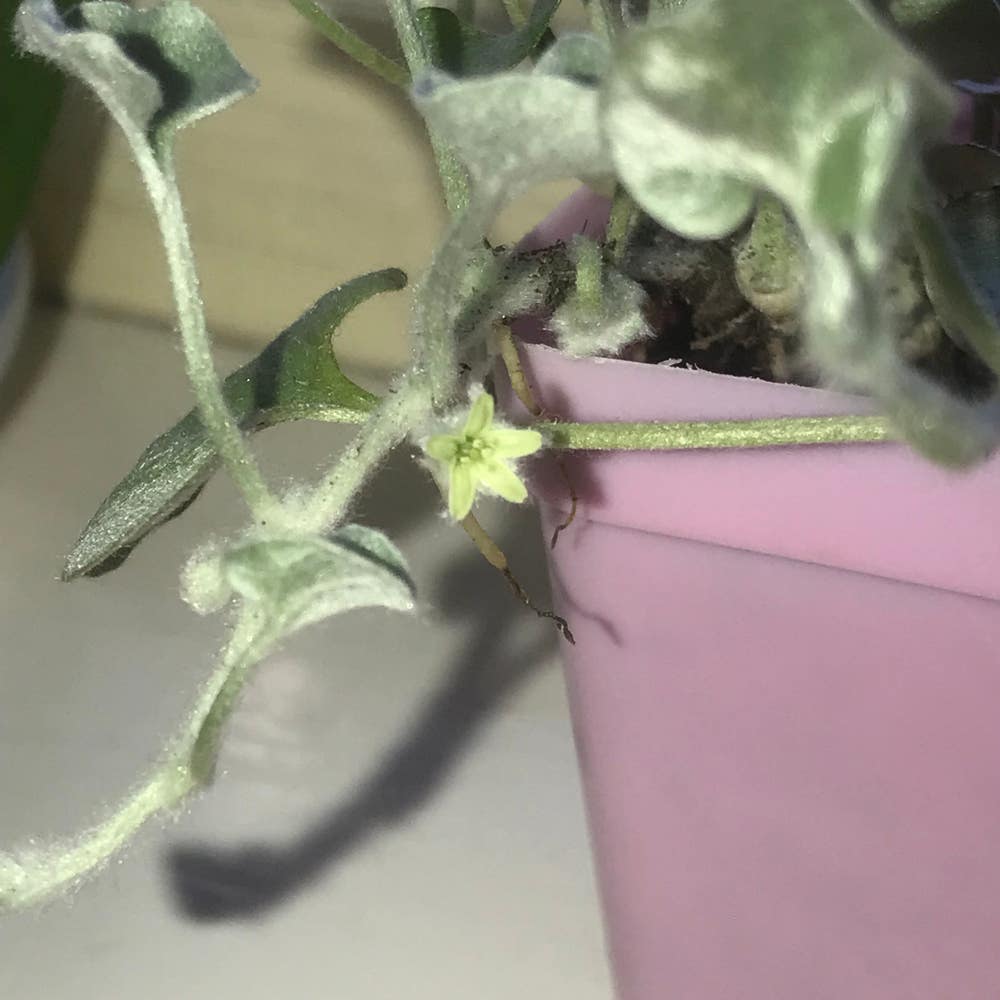
Why Are There Brown Spots on My Dichondra repens?
Dichondra repens
By the Greg Editorial Team
Feb 28, 2024•4 min read
This article was created with the help of AI so we can cover more plants for you. May contain errors. See one? Report it here.
Banish brown spots on your Dichondra repens 🍂 with expert tips for a lush, healthy lawn!
- Overwatering and pests like spider mites and aphids cause brown spots.
- Fungal diseases contribute to spotty patterns; use copper-based fungicides.
- Prevent with proper watering, good air circulation, and regular inspections.
Spotting the Trouble: Brown Spots Unveiled
🕵️ What Do Brown Spots Look Like?
Brown spots on Dichondra repens can be sneaky invaders. They start small, sometimes just tiny specks you'd miss without a close look, or they can be larger, more obvious patches that scream for attention. Color can vary from a light tan to a deep brown, and the spots themselves may look dry or, conversely, water-soaked, hinting at different issues.
Where to Find Them
Location is key when scouting for these spots. They love to lurk on the leaf's surface, but don't be fooled; they can also hide beneath, at the leaf's edge, or near the base. Check both new and mature leaves, as they can show up anywhere, anytime. It's like a game of hide and seek, except you really need to find them before they start a full-blown leaf party.
Playing Detective: Uncovering the Culprits
💧 Too Much Love: Overwatering Woes
Overwatering can turn your Dichondra repens into a botanical sob story. Look for soft, dark brown spots, often lurking on the leaf's underside. Soggy soil and mushy roots? They're screaming for an intervention. Cut back on the H2O and let the soil dry out between waterings.
🐜 Uninvited Guests: Pests that Cause Havoc
Pests like spider mites and aphids are the ninjas of the plant world, leaving a trail of tiny, irregular brown spots. Flip those leaves! If you spot webbing or sticky residue, it's time for some pest control kung fu. Show these critters the door with a spritz of insecticidal soap or neem oil.
🍄 Fungal Foes: Diseases to Watch Out For
Fungal diseases such as leaf spot or powdery mildew love to crash the Dichondra party. Spotty patterns and a dusty appearance are their calling cards. If your plant looks like it's been dusted with flour, it's time to break out the fungicide. Remember, good air circulation is like a bouncer for these fungal gatecrashers. Keep it breezy!
Fixing the Spotty Situation: Targeted Treatments
💧 Drying Out: Balancing Soil Moisture
Overwatering is a common misstep that turns your Dichondra repens' home into a swampy mess. Adjust watering to when the top inch of soil is dry, and ensure pots have proper drainage. It's a simple fix but a game-changer.
🍄 Fungus Among Us: Choosing the Right Fungicide
When fungi gatecrash, it's time for a targeted response. Opt for copper-based fungicides—they're tough on fungi but gentle on plants. Apply with precision, focusing on affected areas to avoid unnecessary chemical use.
🐜 Pest Patrol: Keeping Critters at Bay
For pests like spider mites and aphids, a soapy water solution can be the first line of defense. If escalation is needed, choose a pesticide that's safe for Dichondra repens. Regular inspections and prompt removal of infested foliage are key to keeping these critters at bay.
Keeping Spots at Bay: Prevention is Key
💧 Water Wisdom: Perfecting Your Watering Technique
Watering your Dichondra repens isn't a splash-and-dash affair. Dry soil is your cue to water, and a long-spouted can is your best friend for targeting the base, not the leaves. Remember, soggy soil is a no-go.
🌬 Clean and Clear: Ensuring Good Air Circulation
Airflow isn't just a breeze; it's a lifeline. Keep your Dichondra repens in a spot where air can move freely, preventing the still, moist conditions that fungi find irresistible. Pruning is not just about aesthetics; it's about survival, ensuring good circulation and sunlight access.
🔍 Regular Recon: Inspecting for Early Signs
Be the Sherlock Holmes of plant care. Regularly inspect your Dichondra repens for early signs of trouble like wilting or discoloration. Spot a pest? Water blast or neem oil to the rescue. And always, clean tools are a must – think surgery-room standards.
⚠️ Safety First
This content is for general information and may contain errors, omissions, or outdated details. It is not medical, veterinary advice, or an endorsement of therapeutic claims.
Always consult a qualified healthcare professional before using any plant as food, medicine, or supplement.
Never eat any plant (or feed one to pets) without confirming its identity with at least two trusted sources.
If you suspect poisoning, call Poison Control (800) 222-1222, the Pet Poison Helpline (800) 213-6680, or your local emergency service immediately.
Spotted an error? Please report it here.
Keep your Dichondra repens spot-free 🍃 with Greg's custom care reminders, ensuring you water wisely and stay ahead of pests and fungi.