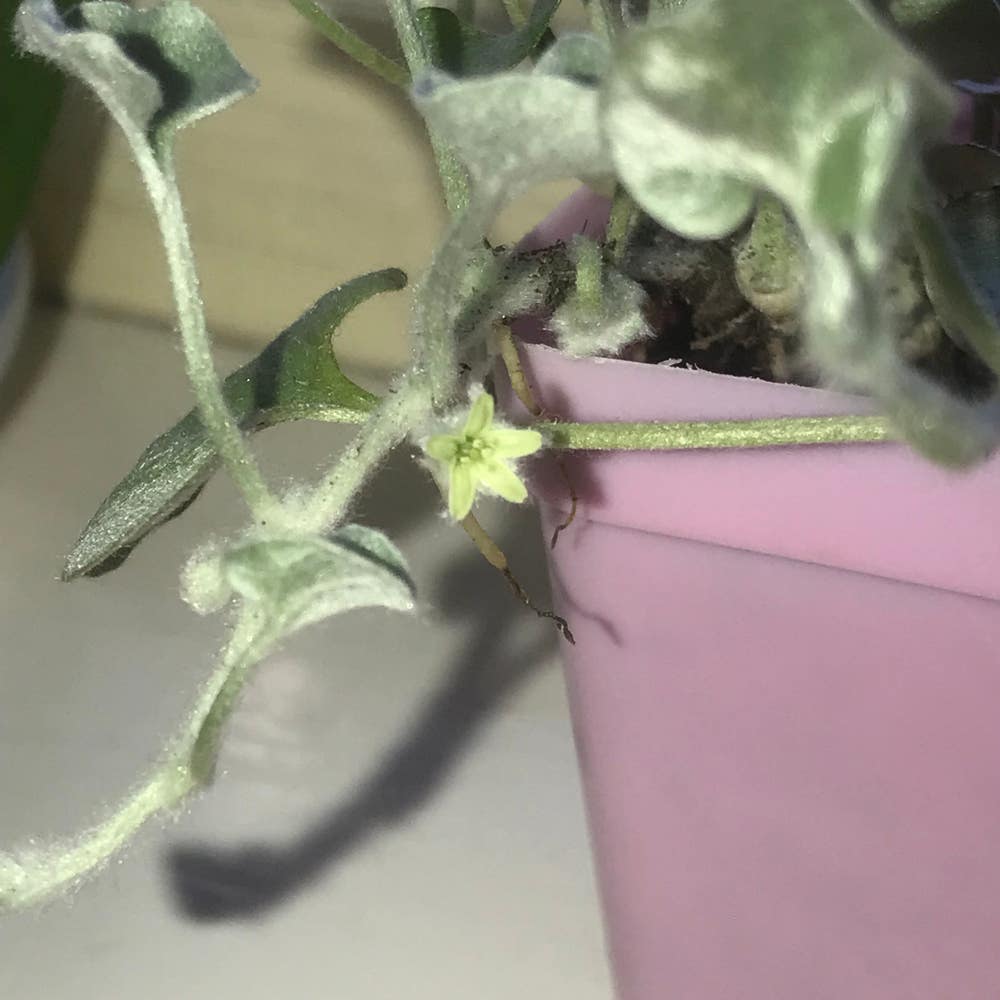
Should I Repot My Dichondra repens?
Dichondra repens
By the Greg Editorial Team
Feb 28, 2024•4 min read
This article was created with the help of AI so we can cover more plants for you. May contain errors. See one? Report it here.
Ensure your Dichondra repens thrives 🌿 by mastering the timely art of repotting with our guide.
- Roots circling and water rushing signal it's repotting time for Dichondra repens.
- 🌱 Spring or early fall repotting aligns with active growth phases.
- Terracotta pots breathe, plastic retains moisture, and ensure proper drainage.
When Your Dichondra repens Shouts "I Need Space!"
🚨 Spotting the Telltale Signs
Roots circling the bottom of the pot are like a silent alarm bell; your Dichondra repens is plotting its great escape. If you notice water zipping through the pot faster than a kid on a sugar rush, it's a clear sign the roots have taken over and the soil's just for show. And let's not ignore the visual cues: stunted growth and leaves turning a sad shade of yellow are the plant's way of waving a white flag.
⏰ Timing is Everything
Spring or early fall are your best bets for repotting; it's like moving house when the weather's just right—not too hot, not too cold. Your Dichondra repens has growth cycles, and repotting during its active growth phase is like giving it a shot of espresso at the perfect moment. It's all about giving those roots room to stretch without throwing them a curveball when they're trying to hibernate.
Picking a Pot That Feels Like Home
💨 Material Matters
Terracotta pots are breathable; they wick away excess moisture, which is great for the well-being of your Dichondra repens. However, they can dry out quickly, so you might find yourself watering more often. Plastic pots, on the flip side, retain moisture and are lightweight, but they can lead to overwatering if you're not careful. Ceramic pots are aesthetically pleasing but can be heavy and pricey, and without proper drainage holes, they're a no-go.
Size and Drainage
The right pot size is crucial. Aim for one that's about 2 inches larger in diameter than the current one. This gives the roots room to grow without being too spacious, which could cause the soil to stay wet too long. Drainage holes are non-negotiable. They prevent water from pooling at the bottom, which is a death sentence for roots due to rot. If you fall for a pot without holes, be ready to drill or use it as a decorative cache pot.
The Repotting Rodeo: A Step-by-Step Guide
🏠 Preparing the New Residence
Choosing the right soil is like picking a mattress for yourself—comfort is key. For Dichondra repens, you want a mix that's well-draining yet retains enough moisture to keep the roots happy. A blend of peat, perlite, and compost should do the trick.
Pot prep is next. Ensure your new pot has drainage holes—nobody likes wet feet, especially not plants. To prevent soil from escaping, a coffee filter or mesh at the bottom is your best friend.
🚚 The Big Move
Time to evict your plant from its current home. Water it first to ease the transition, making the roots more cooperative. Then, with a mix of finesse and gentle firmness, coax the plant out. If it plays hard to get, tap the pot's edges or roll it to loosen the grip.
Roots are the heart of the operation. Inspect them closely; trim any that are dead or circling like they've lost their way. Be kind but decisive—think of it as a haircut for better growth.
🏡 Settling In
Now, position your plant in the new pot. It should sit at the same depth as before—no deeper, no shallower. Fill in around the roots with your prepped soil mix, but don't pack it down like you're stuffing a suitcase. Roots need room to breathe.
Watering post-repot is the first test of your new setup. Water enough to moisten the soil and settle any air pockets, but don't drown it. Think of it as a welcome drink, not a flood.
Post-Repotting Care: Helping Your Plant Thrive
🌱 The First Few Days
After the repotting hustle, your Dichondra repens will need some TLC. Adjust your watering—the goal is to keep the soil moist but not soggy. Overzealous watering can lead to root rot, while too little can leave your plant high and dry.
Monitor closely for signs of stress, like wilting or yellowing leaves. This could mean your plant is throwing a bit of a tantrum and needs some extra care to settle into its new pad.
🌿 Long-Term Success
Hold off on fertilizing for the first month to let your plant acclimate without the shock of added nutrients. After this grace period, a gentle, balanced fertilizer can encourage growth without overwhelming your Dichondra repens.
Ongoing care should be consistent but adaptable. Watch for new growth as a sign of happiness. If you see any pests or diseases, act fast—your plant's still finding its feet and needs you to have its back.
⚠️ Safety First
This content is for general information and may contain errors, omissions, or outdated details. It is not medical, veterinary advice, or an endorsement of therapeutic claims.
Always consult a qualified healthcare professional before using any plant as food, medicine, or supplement.
Never eat any plant (or feed one to pets) without confirming its identity with at least two trusted sources.
If you suspect poisoning, call Poison Control (800) 222-1222, the Pet Poison Helpline (800) 213-6680, or your local emergency service immediately.
Spotted an error? Please report it here.
Repot your Dichondra repens with confidence 🌱 and let Greg remind you when to water and check for growth, ensuring a seamless transition to its new pot.