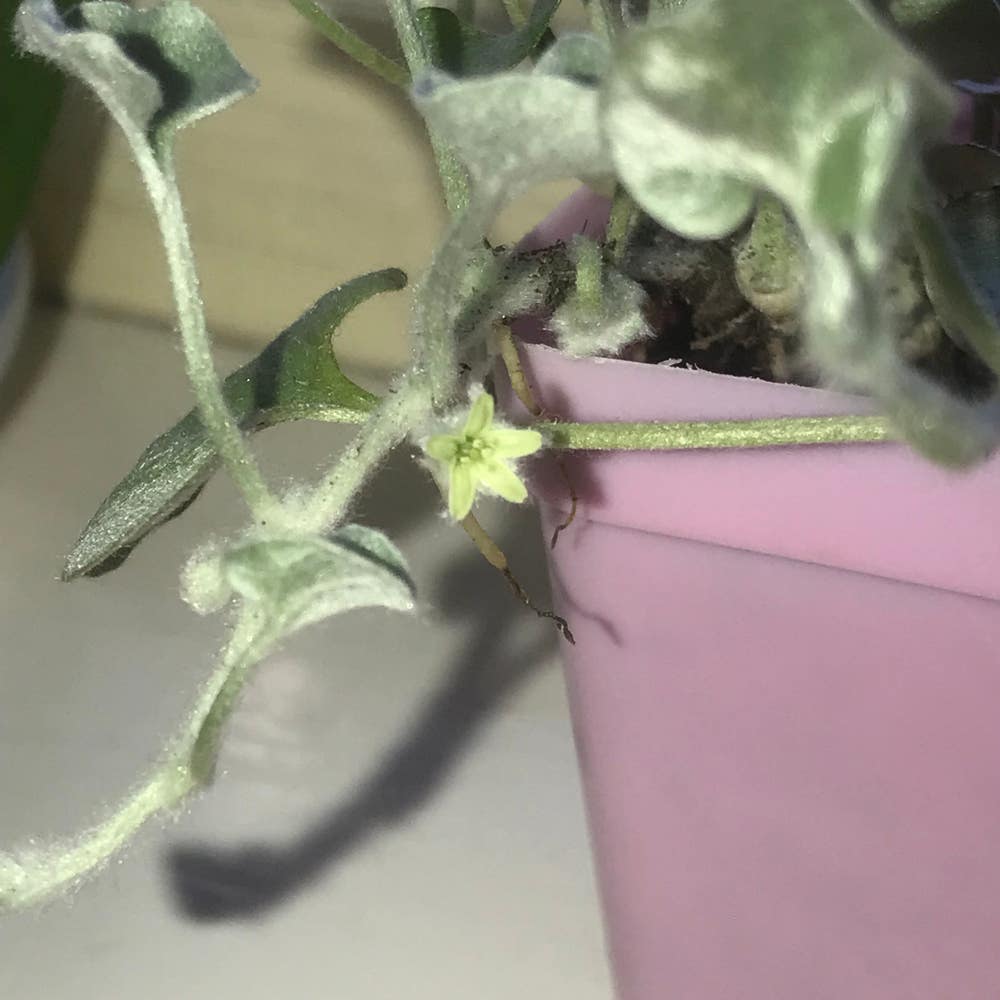
How to Propagate Your Dichondra repens
Dichondra repens
By the Greg Editorial Team
Feb 28, 2024•4 min read
This article was created with the help of AI so we can cover more plants for you. May contain errors. See one? Report it here.
Propagate your Dichondra repens effortlessly and fill your garden with green splendor for pennies! 🌿✂️
- Healthy stems and sterilized tools are essential for propagation success.
- 🌱 Rooting hormone and well-draining soil boost cutting growth.
- Patience is vital: expect roots in 4-8 weeks, with proper moisture and temperature.
Snip and Plant: Stem Cutting Propagation
🌱 Choosing the Right Stem
Healthy stems are your golden ticket to successful propagation. Look for stems that are robust, free from pests, and show no signs of disease.
✂️ Making the Cut
Sterilize your scissors or shears with rubbing alcohol to prevent infection. Make an angled cut just below a node, where roots are most likely to sprout.
🌱 Rooting the Right Way
Dip the cut end into rooting hormone to encourage faster root development. Let the cutting callous for a few days to minimize rot risk before planting.
🌱 Settling In
Plant the cutting in well-draining soil, ensuring it's upright and not too deep. Moisture is key—keep it consistent but never soggy.
Split and Share: Division Propagation
⏰ Timing the Division: Best Seasons for Success
Spring or autumn are your go-to seasons for dividing Dichondra repens. You want to catch it when it's not too busy with its own life processes, like blooming or pushing out new growth. Think of it as picking a time when the plant can spare a moment for a little self-reflection, and by that, I mean successfully rerooting without throwing a fit.
💃 The Division Dance: Step-by-Step Guide to Dividing Dichondra repens
Step 1: Hydrate Before You Operate
Water your Dichondra a couple of days before the big split. Think of it as prepping for surgery with a hydration boost. It's less traumatic that way.
Step 2: Gentle Uprooting
Ease the plant out of its pot with the care of a bomb squad technician. You're not just pulling out a plant; you're preserving a future.
Step 3: Spot the Growth
Look for areas where the plant is young and sprightly. These will be your new starts. Each division should have a good mix of roots, stems, and leaves. If it looks like it's seen better days, it's not guest-list material.
Step 4: The Cut
With a tool cleaner than your eating habits, slice through the root ball. Each piece needs at least one growth point, like a good story needs a plot.
🌱 Planting Your Divisions: Ensuring a Good Start
Plant your new divisions in well-draining soil. They like their space and hate wet feet. Keep the soil moist but not waterlogged, like a well-sponged dish, not a drowned rat. Expect them to take a few weeks to settle in, like a cat in a new home, minus the midnight zoomies.
Creating the Perfect Propagation Space
💡 Light and Temperature: Setting the Stage for Growth
Light is the non-negotiable catalyst for your Dichondra repens' propagation success. Aim for a bright spot with indirect sunlight to avoid scorching your cuttings. Temperature is equally crucial; maintain a cozy range between 65°F and 80°F to whisper sweet somethings about growth to your plant babies.
🚰 Watering Wisdom: Keeping Moisture Just Right
Watering is less of a chore and more of a ritual. Your goal is to achieve soil moisture similar to a wrung-out sponge—present but not dripping. Overwatering is the express lane to root rot, while underwatering is a one-way ticket to wilt city. Balance is the name of the game.
👩🌾 The Waiting Game: What to Expect in the Coming Weeks
Patience is a virtue, especially in the world of propagation. Expect roots to show face in about 4-8 weeks. Don't hover; instead, check in periodically to ensure the soil's moisture is on point and the temperature stays consistent. Remember, you're not just growing plants; you're nurturing the next generation of greenery.
Overcoming Propagation Pitfalls
🚩 Spotting Trouble: Identifying Common Signs of Distress
When your Dichondra repens starts looking more like a cry for help than a lush carpet, it's time to play plant detective. Drooping leaves are the plant's white flag, signaling that all is not well in its world. Look for leaves turning a sickly yellow or roots that have gone soft and mushy—these are your red alerts.
🛠 Quick Fixes: Addressing Issues Before They Escalate
Caught early, most propagation problems are just bumps in the road. If your cuttings are more waterlogged than the Titanic, ease up on the watering. Your goal is moist soil, not a swamp. Fungal infections? They're the party crashers nobody invited. Increase airflow, and consider a fungicide if you're seeing more gray than green. And if your Dichondra repens is starting to resemble overcooked spaghetti, it's time to trim the rot with sterilized scissors and adjust your care routine.
Remember, the key to avoiding a propagation horror show is vigilance. Keep your tools clean, your eyes sharp, and your humor intact. After all, even the best plant parents have their off days.
⚠️ Safety First
This content is for general information and may contain errors, omissions, or outdated details. It is not medical, veterinary advice, or an endorsement of therapeutic claims.
Always consult a qualified healthcare professional before using any plant as food, medicine, or supplement.
Never eat any plant (or feed one to pets) without confirming its identity with at least two trusted sources.
If you suspect poisoning, call Poison Control (800) 222-1222, the Pet Poison Helpline (800) 213-6680, or your local emergency service immediately.
Spotted an error? Please report it here.
Ensure your Dichondra repens cuttings thrive 🌿 with Greg's custom care reminders and environmental tracking for perfect propagation conditions.