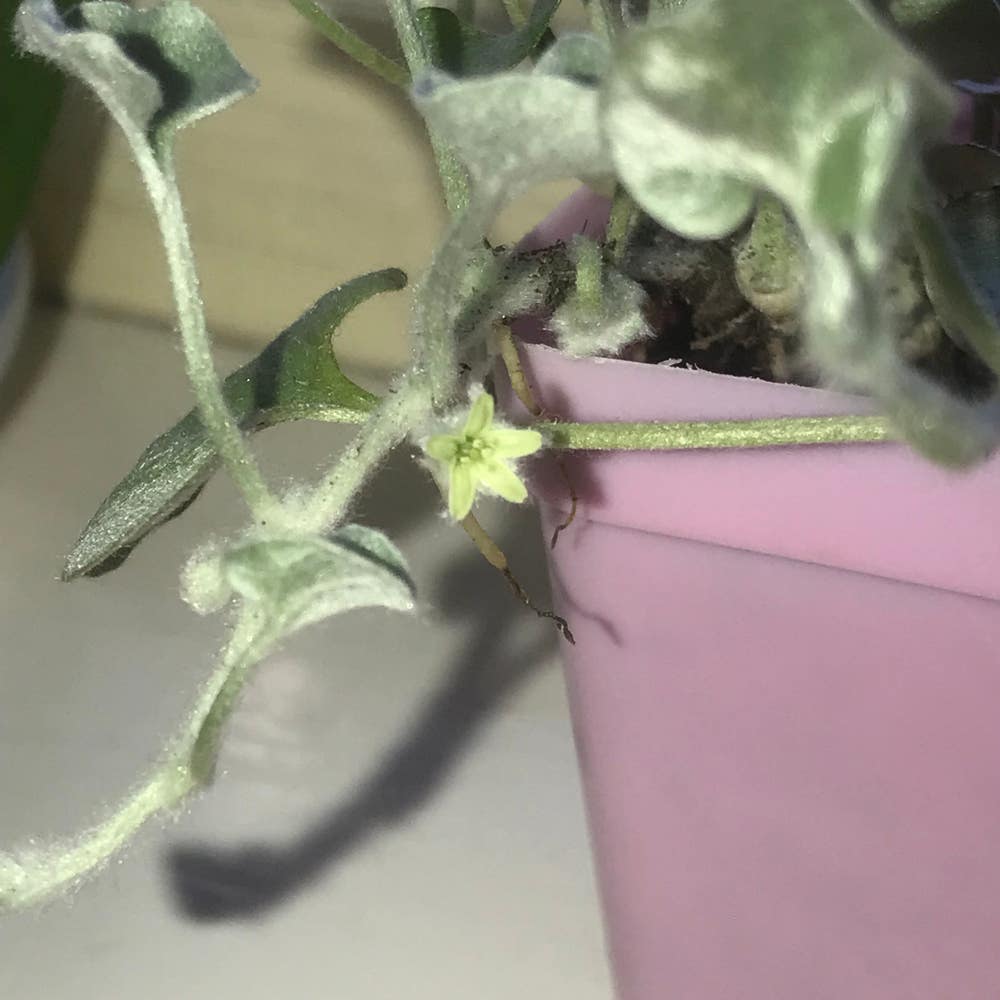
🌞 Is My Dichondra repens Getting Too Much Direct Sunlight?
Dichondra repens
By the Greg Editorial Team
Feb 28, 2024•4 min read
This article was created with the help of AI so we can cover more plants for you. May contain errors. See one? Report it here.
Nurture your Dichondra repens to lush health by balancing sunlight with these savvy shading tips ☀️🌱.
- 🌞 Leaf scorching indicates too much sun; Dichondra repens prefers six hours daily.
- 🏡 East or north-facing windows are best for indoor Dichondra to avoid excess sun.
- 🌿 Use sheer curtains or shade outdoors to protect Dichondra from midday scorch.
Spotting the Signs: Dichondra Repens in the Sun
⛅️ When the Sun is Too Strong
Leaf scorching is your first red flag. If your Dichondra repens sports crispy edges or bleach spots, it's shouting for respite from excessive sunlight. Yellow leaves are another distress signal, indicating that your plant is absorbing more rays than it can handle. In the worst cases, leaves may turn brown and brittle, a clear sign of sunburn. These symptoms are akin to a plant's SOS; it's crucial to act swiftly to prevent further damage.
🌞 Just the Right Amount of Sunshine
Dichondra repens thrives in a Goldilocks zone of sunlight—not too much, not too little. The sweet spot is full sun to partial shade, translating to about six hours of direct sunlight daily. When the light is just right, you'll notice lush, dense foliage and a vibrant green hue. This is the plant's way of giving a green thumbs up, indicating that the lighting conditions are spot on. Keep an eye out for balanced growth and consistent leaf coloration as signs that your Dichondra repens is getting the ideal amount of sunshine.
The Lowdown on Location: Where to Place Your Dichondra
🌿 Indoor Plant Placement
Bright but not baking—that's the mantra for Dichondra repens indoors. Your leafy friend craves light but wilts at the thought of a sunburn. East or north-facing windows are your best bet, offering a buffet of gentle morning light without the harsh midday rays.
Avoid the south side where the sun doesn't know when to quit. If you're stuck with a sun-drenched spot, think sheer curtains. They're like sunglasses for your plant, filtering out the glare.
🌳 Outdoor Planting Pointers
Outdoors, Dichondra repens is a bit of a diva—it needs its spotlight but doesn't want to overheat. Partial shade is the golden ticket. Look for spots that mimic a tree's dappled shade, or get creative with a pergola or trellis.
Remember, it's all about avoiding the midday scorch. Morning and late afternoon sun are welcome, but when the sun's at its peak, make sure your Dichondra has a shady retreat.
Hemisphere Hints: Sunlight and Your Dichondra
🌞 Northern vs. Southern Hemisphere Sunlight
In the northern hemisphere, your Dichondra repens might bask in the glory of a south-facing window's sun bounty. But beware, that same spot can be a solar death trap if not monitored. Southern hemisphere gardeners, flip it; north-facing is your gold standard for sunlight. The sun's position can turn a well-meaning spot into a plant's worst nightmare or a growth utopia.
💫 Seasonal Sunlight Shifts
As the earth tilts on its axis, your Dichondra's sun needs shift with the seasons. Winter's weak sauce sunlight calls for closer proximity to windows, or you risk your green buddy getting the light blues. Come summer, the sun's got more kick, and your Dichondra might need you to play bouncer, shielding it from harsh rays. Stay vigilant, and adjust your plant's position as if it's a delicate dance with the sun's ever-changing angles.
Shielding Your Dichondra: Sun Protection Strategies
🌞 Indoor Sun Shields
Sheer curtains are your Dichondra repens' first line of defense indoors. They soften the sunlight, providing a gentle glow without the scorch. If you're not a curtain person, blinds or frosted window films can serve the same purpose. Think of it as sunscreen for your plant's delicate leaves.
🏖️ Outdoor Sun Solutions
Creating shade outdoors doesn't have to be an eyesore. Pergolas or shade cloth can be both functional and stylish, ensuring your Dichondra repens isn't baking in the midday sun. Companion planting is another clever tactic; taller plants can offer a natural parasol for your ground-hugging Dichondra. Remember, it's about crafting a sun-shielding setup that's as dynamic as the sun's movements—strategic placement is key.
⚠️ Safety First
This content is for general information and may contain errors, omissions, or outdated details. It is not medical, veterinary advice, or an endorsement of therapeutic claims.
Always consult a qualified healthcare professional before using any plant as food, medicine, or supplement.
Never eat any plant (or feed one to pets) without confirming its identity with at least two trusted sources.
If you suspect poisoning, call Poison Control (800) 222-1222, the Pet Poison Helpline (800) 213-6680, or your local emergency service immediately.
Spotted an error? Please report it here.
With Greg, you can find the perfect Goldilocks zone ☀️ for your Dichondra repens, adapting to seasonal shifts with custom reminders for indoor and outdoor sunlight management.