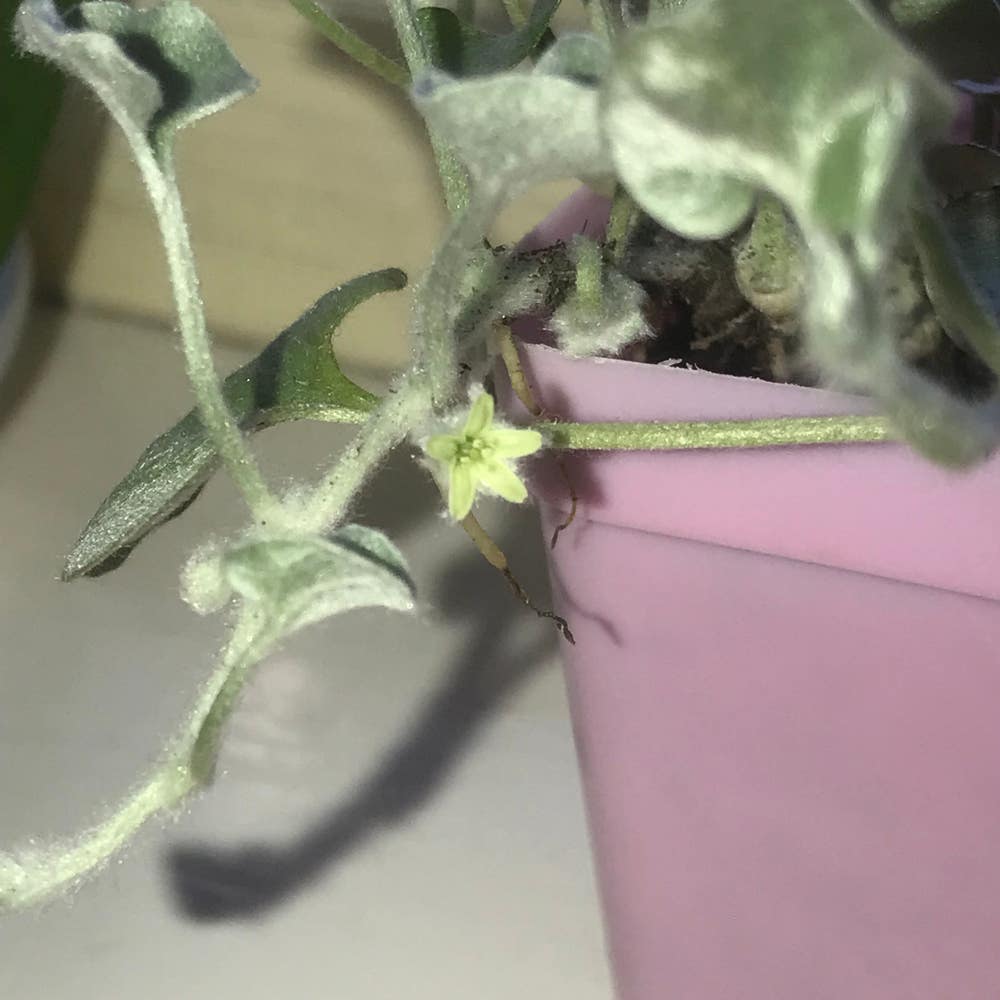
💧 Why Are My Dichondra repens Leaves Mushy?
Dichondra repens
By the Greg Editorial Team
Feb 28, 2024•3 min read
This article was created with the help of AI so we can cover more plants for you. May contain errors. See one? Report it here.
Solve the mushy leaf mystery 🌿 and keep your Dichondra repens thriving with these pro tips!
- 🚱 Overwatering? Reduce watering and wait for top inch of soil to dry.
- 🌱 Improve drainage with perlite, coarse sand, and proper pots.
- 🍄 Combat fungal diseases with fungicides or natural remedies like cinnamon.
Spotting Trouble: Recognizing Mushy Leaves
🌧️ Telltale Signs of Overwatering
Soggy soil and wilting leaves are the red flags of overwatering. If your Dichondra repens feels like it's sitting in a swamp, you've probably been too generous with the watering can. Leaves should be perky, not drooping with a sense of defeat.
🚰 Drainage Woes
Poor drainage is a silent killer for Dichondra repens. If water isn't escaping the pot, you're essentially giving your plant a one-way ticket to root rot city. Ensure your pot has holes, and the soil isn't compacted like last year's holiday fruitcake.
🍄 Fungal Foes
Fungal diseases love a moist environment. Brown spots, a moldy soil surface, or a general look of despair on your plant could mean fungi have moved in. If your Dichondra repens's leaves are more mush than muscle, it's time to fight back against these uninvited guests.
Fixing the Squish: Immediate Actions
💧 Cutting Back on H2O
If your Dichondra repens is swimming in moisture, ease up on the watering. Let the top inch of soil dry out before giving it another drink. It's about finding that moisture sweet spot; too much and you're in a swamp, too little and you're in a desert.
🚰 Drainage First Aid
Quick fixes to improve soil drainage can be a game-changer. Mix in some perlite or coarse sand to give those roots the breathing room they need. If the pot's lacking, make sure your next one has drainage holes to avoid water logging.
🍄 Battling the Fungus Among Us
When fungus is the culprit, it's time for a targeted attack. Fungicides are your go-to, but if you prefer the natural route, cinnamon or neem oil can be effective. Apply with precision; this isn't a free-for-all. And remember, cleanliness is key—sterilize those pruning tools to prevent spreading the enemy.
Keeping Leaves Firm: Long-Term Strategies
💧 Watering Wisdom
Crafting a watering schedule that dodges the mush means getting hands-on with the soil. Only water when the top inch is dry, no exceptions. This isn't just about hydration; it's about encouraging deep root growth and autonomy.
🌱 Soil and Pot Perfection
Choosing the right soil mix and container is like picking a tailored suit—it has to fit just right. Go for well-draining soil with a mix of perlite or coarse sand. Ensure your pot has drainage holes; they're the difference between a swamp and a sanctuary for your Dichondra repens.
🛡️ Disease Defense Tactics
To build your plant's immunity, think like a coach. Regular pruning keeps it in shape, removing any dead weight. Keep a keen eye for fungal foes; early detection is your best defense. And remember, consistency in care is the cornerstone of a robust plant.
⚠️ Safety First
This content is for general information and may contain errors, omissions, or outdated details. It is not medical, veterinary advice, or an endorsement of therapeutic claims.
Always consult a qualified healthcare professional before using any plant as food, medicine, or supplement.
Never eat any plant (or feed one to pets) without confirming its identity with at least two trusted sources.
If you suspect poisoning, call Poison Control (800) 222-1222, the Pet Poison Helpline (800) 213-6680, or your local emergency service immediately.
Spotted an error? Please report it here.
Avoid the dread of overwatering woes 🚫 with Greg's precise watering alerts, keeping your Dichondra repens' leaves firm and healthy.