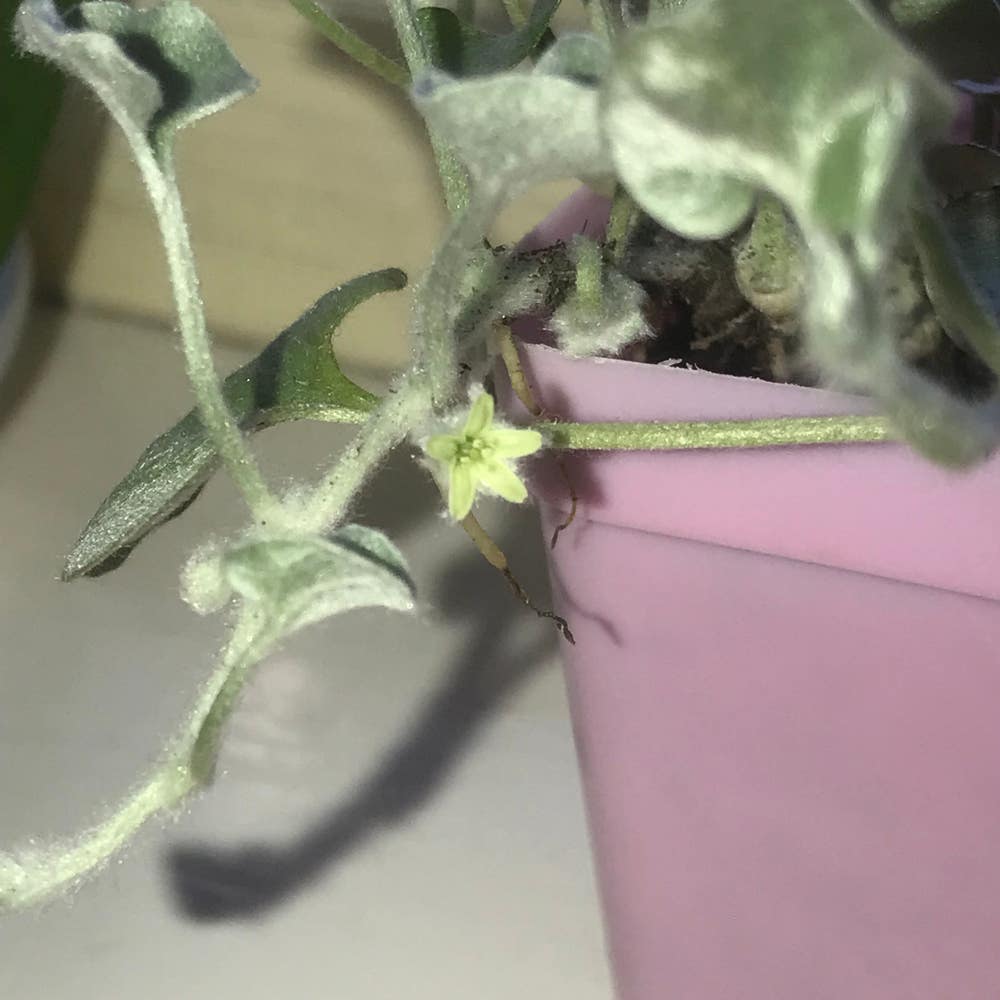
Black Spots on My Dichondra repens Leaves
Dichondra repens
By the Greg Editorial Team
Feb 28, 2024•4 min read
This article was created with the help of AI so we can cover more plants for you. May contain errors. See one? Report it here.
Banish black spots 🍂 on your Dichondra repens with expert tips for a lush, healthy lawn!
- Fungal foes like Cercospora cause black spots; treat with fungicides.
- 🌱 Prevent with proper watering, drainage, and air circulation.
- Integrated Pest Management combats spot-inducing pests like spider mites.
Spotting the Trouble: Recognizing Black Spots on Your Dichondra repens
👀 Visual Symptoms
Black spots on Dichondra repens leaves are warning signs. They often appear as small, dark lesions, sometimes encircled by a faint yellow halo. Distinct edges or concentric rings within the spots are telltale indicators of fungal activity, not just random leaf blemishes. It's essential to check both the top and bottom of leaves, as these spots can be sneaky and prefer the underside hideout.
🚨 Immediate Response
At the first sighting of black spots, it's critical to act swiftly. Isolate the affected plant to prevent any potential spread to your other green companions. Remove the spotted leaves with sterilized shears, being careful not to let the fallen foliage linger. This isn't just a cosmetic fix; it's a strategic move to halt the advance of the disease. After pruning, reassess your plant care routine, especially focusing on watering habits and air circulation, to ensure you're not unwittingly setting the stage for a fungal encore.
Fungal Foes: Tackling Pathogen-Induced Black Spots
🍄 Common Culprits
Cercospora leaf spot and Rhizoctonia leaf blight are the usual suspects when it comes to black spots on Dichondra repens. These fungi love the same conditions you'd find in a steamy bathroom—moist and warm. They leave behind black lesions, often encircled by yellow, that spread like wildfire.
💉 Fungicide to the Rescue
When it comes to treatment, fungicides are your go-to. But don't just spray and pray; use them as directed, like you're following the steps to disarm a bomb. Look for products containing thiophanate-methyl or sulfur, and apply as soon as those pesky spots show up.
🛡️ Cultural Defenses
Prevention is better than cure, and that's where cultural practices shine. Start with controlled watering—think of it as giving your plants a sip, not a soak. Ensure good air circulation and sunlight exposure; it's like giving your plants their own personal space. Remove infected leaves pronto, and consider mulching to keep those fungal spores from getting too cozy.
When the Environment Strikes: Stress-Related Black Spots
💧 Water Woes
Overwatering and poor drainage are like giving plants a bath they never asked for, leading to black spots. Roots need air as much as they need water; too much of the latter and you're setting the stage for root rot and fungal parties.
Let the soil dry between waterings to prevent these issues. It's not just about quenching thirst; it's about maintaining a healthy balance.
💨 Humidity and Airflow
Humidity should be Goldilocks-level: not too high, not too low. Use a hygrometer to monitor and adjust as needed. Too much moisture in the air is a breeding ground for fungi, which love to crash the leafy party and leave black spots as their calling card.
Improving air circulation can be as simple as using a fan or repositioning your plant. Stagnant air is to black spots what a petri dish is to bacteria – an invitation to multiply. Keep the air moving to keep the spots at bay.
Pests: The Spot Makers
🐞 Spot-Inducing Pests
Identifying the culprits behind black spots on Dichondra repens is crucial. Spider mites and aphids are notorious for causing these blemishes. They're the plant equivalent of juice thieves, sucking the life out of leaves and leaving behind black spots as evidence of their crime. Regular plant inspections are essential to catch these pests in the act.
🛡️ Integrated Pest Management
Integrated Pest Management (IPM) is your strategic plan to keep pests at bay without reaching for the chemical big guns. Start with natural predators like ladybugs, which love to dine on aphids. Next, consider traps to catch and monitor pest populations. If you must intervene, horticultural oils can smother the pests without harming your Dichondra repens. Remember, cleanliness is next to pestlessness—keep your garden tidy to reduce pest hideouts.
⚠️ Safety First
This content is for general information and may contain errors, omissions, or outdated details. It is not medical, veterinary advice, or an endorsement of therapeutic claims.
Always consult a qualified healthcare professional before using any plant as food, medicine, or supplement.
Never eat any plant (or feed one to pets) without confirming its identity with at least two trusted sources.
If you suspect poisoning, call Poison Control (800) 222-1222, the Pet Poison Helpline (800) 213-6680, or your local emergency service immediately.
Spotted an error? Please report it here.
Banish black spots 🕵️♂️ on your Dichondra repens by empowering your plant care with Greg's smart watering reminders, tailored to keep fungi at bay!