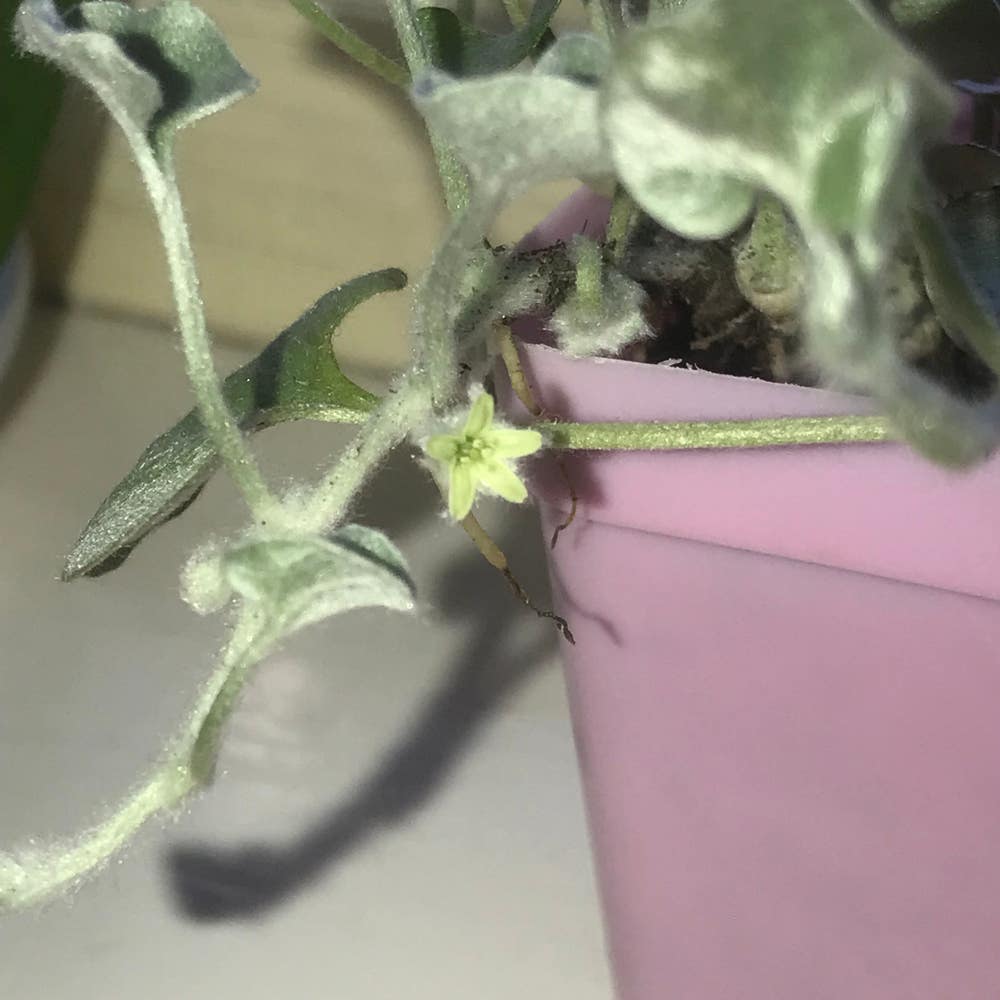
Best Tips for Healthy Dichondra repens Roots
Dichondra repens
By the Greg Editorial Team
Jul 24, 2024•6 min read
This article was created with the help of AI so we can cover more plants for you. May contain errors. See one? Report it here.
Unlock the secret to a verdant oasis by mastering the care of Dichondra repens's fibrous roots. 🌿🌱
- 🌱 Shallow, fibrous roots need tailored watering and fertilization.
- 🚫 Prevent root issues with proper soil and water management.
- 🌿 Healthy roots equal plant resilience; know signs of vigor and stress.
Root System Overview
🌿 Fibrous Roots Explained
Dichondra repens boasts a fibrous root system, a network of thin, moderately branching roots stemming from the plant's base. Unlike a taproot system, which centers around a single primary root, fibrous roots spread out in a diffuse pattern. This structure is adept at quickly absorbing moisture and nutrients from the soil, making it well-suited for the Dichondra repens's growth habits.
🌱 Shallow and Wide
The roots of Dichondra repens are not just fibrous; they're also notably shallow and spread widely beneath the soil surface. This shallow nature allows the plant to efficiently gather water and nutrients from the topsoil, which is particularly rich in organic matter. However, it also means that the plant can be more susceptible to drought and requires careful attention to watering practices to maintain health.
Root Care Essentials
💧 Watering Practices
Dichondra repens has a shallow root system, which means it can't reach deep water sources. To keep these roots healthy, adopt a tailored watering approach:
- Check the top inch of soil; if it's dry, it's time to water.
- Use deep, infrequent watering to encourage roots to grow stronger and prevent waterlogging.
- During hot spells, increase watering frequency to counteract the quick drying of the shallow soil.
💡 Fertilization Strategies
Fertilizer is like a vitamin boost for Dichondra repens, but it's easy to overdo it. Here's how to fertilize responsibly:
- Opt for a balanced, slow-release fertilizer that provides nutrients over time.
- Apply fertilizer during the growing season, when the plant can use the extra nutrients.
- Always follow the recommended dosage to avoid root burn and buildup of salts in the soil.
🌱 Transplanting Tips
Transplanting can be stressful for Dichondra repens, but these tips can help ease the transition:
- Water the plant well before transplanting to reduce shock.
- Handle the root ball with care to avoid damage to the delicate roots.
- After transplanting, maintain consistent watering to help the roots establish in their new environment.
Root Health Management
🌱 Identifying Root Issues
Root health is pivotal for a thriving Dichondra repens. Look out for telltale signs of trouble below the soil: roots that are soft and brown, a foul smell emanating from the soil, or leaves that are wilting or yellowing. These symptoms suggest root rot, a common affliction caused by excessive moisture and poor drainage, which can severely impact your plant's ability to absorb nutrients and grow.
🛡️ Preventative Measures
Preventing root diseases in Dichondra repens is all about creating the right environment. Here's how to keep the roots healthy:
- Soil and Water Balance: Ensure the soil is well-aerated and drains effectively. Water your plant in the early morning so the soil can dry out during the day, and adjust your watering schedule according to the season.
- Sanitation Practices: Sterilize your gardening tools regularly to prevent the spread of pathogens. This is like maintaining good hygiene for your plant's roots.
- Regular Inspections: Peek at the roots occasionally for early signs of trouble. Catching issues early can make all the difference.
- Environmental Control: Reduce humidity around your plant and encourage airflow to deter root rot fungi.
- Soil Quality: Integrate organic matter into the soil periodically to prevent compaction and promote a robust root system.
- Monitoring: Keep an eye on soil pH and moisture levels. Overwatering and overfertilizing are common pitfalls to avoid.
By following these strategies, you can prevent root rot and other root diseases, ensuring your Dichondra repens remains healthy and strong.
Healthy Roots, Healthy Plant
Signs of Vigor
🌱 Healthy Dichondra repens roots are the unsung heroes beneath the soil. Picture them as firm and white, branching out like a network of life-sustaining highways. These roots are a testament to the plant's vitality, supporting lush, vibrant foliage above ground.
Stress Resilience
🌿 The robust root system of Dichondra repens is like a plant's insurance policy against tough times. When roots are strong, they equip the plant to weather drought, recover from foot traffic, and fend off diseases. It's this underground resilience that keeps Dichondra repens thriving, come what may.
When Roots Outgrow
🌱 Spotting Rootbound Signs
Roots circling the confines of their container or peeking through drainage holes are the plant's S.O.S. signals. Dichondra repens, with its shallow, fibrous roots, can quickly become rootbound in a pot that's too small. Watch for these signs:
- Roots visible at the soil surface or escaping through the pot's drainage holes.
- Water that runs straight through the pot, indicating there's more root than soil.
- A plant that lifts itself out of the pot or one whose growth has plateaued.
🌿 Addressing Rootbound Situations
When your Dichondra repens sends out these distress signals, it's time for action. Here's how to give your plant the space it needs to thrive:
- Gently remove the plant from its pot to assess the situation.
- If roots are tightly wound, carefully tease them apart. If they resist, consider a strategic trim.
- Choose a new pot that's slightly larger with ample drainage.
- Repot using fresh, well-draining soil to welcome the roots into their new home.
- Water the plant and monitor closely, as the roots reestablish themselves.
Propagation and Division
🌱 Ensuring Root Integrity
Propagation through division is a delicate dance with Dichondra repens, where maintaining root health is key to the plant's future. It's a process best reserved for well-established plants, ready to multiply and thrive anew.
- Choose the right moment: Spring, when the plant is in its growth phase, is ideal for division.
- Hydration is crucial: Water the plant before division to reduce stress on the roots.
- Use the right tools: Sterilize your cutting instruments to prevent disease transmission.
When dividing, ensure each new section has a balanced share of roots, stems, and leaves. It's a bit like ensuring every guest at a dinner party has an equal portion of the pie—everyone should leave happy.
- Plant divisions at their previous depth: This familiar setting helps ease the transition.
- Space them properly: Give each new plant room to flourish without competition.
- Water wisely: Keep the soil moist but not soggy to pamper the tender new roots.
Aftercare is as important as the division itself. Think of it as a nurturing period where the plant adjusts to its new independence.
- Protect from direct sunlight: Like a gentle introduction to a new environment.
- Hold off on fertilizing: Give the roots time to heal before introducing new growth stimuli.
- Monitor and adjust: Keep an eye out for signs of growth or distress and tweak care accordingly.
By following these steps, you can ensure that each division of Dichondra repens has the best chance to establish itself as a robust, independent plant.
⚠️ Safety First
This content is for general information and may contain errors, omissions, or outdated details. It is not medical, veterinary advice, or an endorsement of therapeutic claims.
Always consult a qualified healthcare professional before using any plant as food, medicine, or supplement.
Never eat any plant (or feed one to pets) without confirming its identity with at least two trusted sources.
If you suspect poisoning, call Poison Control (800) 222-1222, the Pet Poison Helpline (800) 213-6680, or your local emergency service immediately.
Spotted an error? Please report it here.
Ensure your Dichondra repens has thriving roots 🌿 with Greg's precise watering reminders and expert community advice.