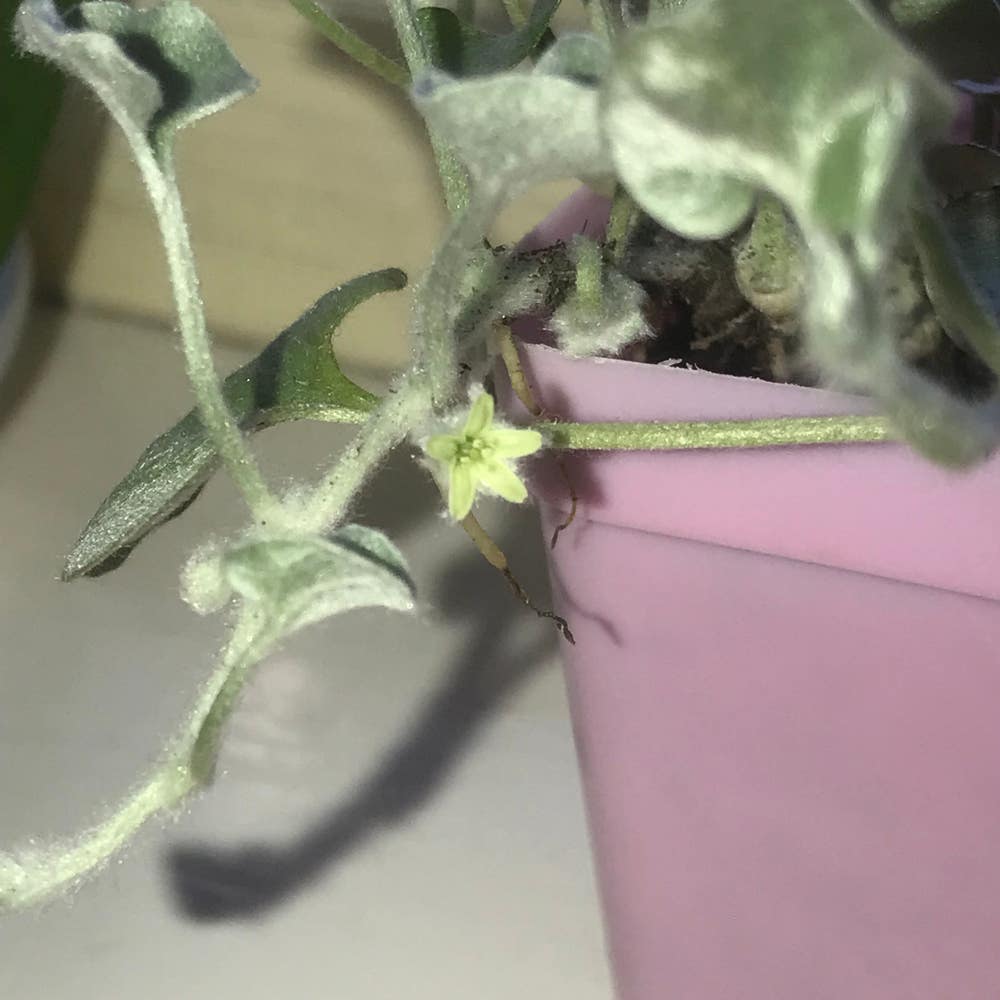
Best Climate for Dichondra repens: Zones 10a-11b
Dichondra repens
By the Greg Editorial Team
Jul 24, 2024•5 min read
This article was created with the help of AI so we can cover more plants for you. May contain errors. See one? Report it here.
Transform your garden into a green oasis with Dichondra repens by mastering microclimates 🌿 and hardiness zones 🌡️.
- 🌡️ Thrives in zones 10a-11b due to mild winters and warm climates.
- 🌴 California and Florida are ideal for Dichondra repens growth.
- 🌱 Microclimates extend growing range, even in less-than-ideal zones.
Dichondra repens and Hardiness Zones
🌡️ Zones 10a-11b Explained
USDA zones 10a-11b are characterized by mild winters and warm climates, with minimum temperatures ranging from 30°F to 50°F. Dichondra repens flourishes in these zones because they provide a stable environment akin to its native subtropical habitat.
- Zone 10a: 30°F to 35°F
- Zone 10b: 35°F to 40°F
- Zone 11a: 40°F to 45°F
- Zone 11b: 45°F to 50°F
Dichondra repens thrives here due to the consistent warmth and absence of extreme cold, which mirrors its natural growth conditions.
🥶 Cold and Heat Tolerance
Dichondra repens demonstrates a notable frost tolerance, enduring winter lows gracefully, though it prefers to stay above the 40°F mark. Its response to the first and last frost is crucial; it can survive slight browning but will maintain its lush appearance with proper care.
- Cold tolerance: Survives down to about 20°F with minimal damage
- Frost response: Can handle light frost without significant harm
In terms of heat, Dichondra repens is quite resilient within the temperature range of zones 10a-11b. It can withstand the high temperatures typical of these zones, especially when provided with partial sun exposure and well-drained soil.
- Heat tolerance: Comfortable in temperatures up to 75°F
- High-temperature response: Requires adequate moisture during hot spells
Ideal Regions for Dichondra repens
California's Climate Compatibility 🌞
California's diverse climate largely falls within USDA zones 10a-11b, making it a prime region for Dichondra repens. The state's warm temperatures and mild winters provide an almost perfect environment for this ground cover to flourish.
- Coastal areas offer a stable temperature range that aligns with Dichondra repens' growth requirements.
- Inland regions present a variety of microclimates that can also support the plant, thanks to their unique topographical influences.
Florida's Suitable Conditions 🌴
Florida's climate is a textbook example of what Dichondra repens enjoys, with most of the state encompassing USDA zones 10a-11b. The consistent warmth and humidity are conducive to the plant's health and spread.
- The state's tropical and subtropical weather patterns are ideal for Dichondra repens, ensuring year-round growth.
- Microclimates within Florida, such as those found in the central highlands, can vary but generally still provide suitable conditions for Dichondra repens cultivation.
Microclimate Considerations
🌱 Understanding Microclimates
Microclimates are small pockets within a larger area where the climate differs from the surrounding environment. They can be naturally occurring or intentionally created and can significantly impact plant growth and survival. For Dichondra repens, which thrives in USDA zones 10a-11b, microclimates can be a game-changer in borderline areas.
- Factors that create microclimates include topography, bodies of water, urban structures, and vegetation.
- In the context of Dichondra repens, a microclimate might provide extra warmth or shelter, enabling it to survive outside its typical zone.
🌿 Leveraging Microclimates
Creating or utilizing microclimates can extend the growing range of Dichondra repens beyond zones 10a-11b. Here are some tips and examples:
- Use structural elements like walls or fences to shield plants from cold winds or to trap heat.
- Plant Dichondra repens near larger plants or buildings to create shade during the hottest parts of the day.
- Space plants appropriately to ensure good air circulation, preventing excessive humidity that can harm Dichondra repens.
Examples of microclimate adjustments include:
- Installing shade cloth to protect from intense sun in hotter areas.
- Creating raised beds with improved drainage to manage excess moisture in cooler, wetter regions.
- Using reflective materials to increase light and warmth in shaded urban gardens.
Hardiness Zone Summary for Dichondra repens
🌴 States Within Zones 10a-11b
Dichondra repens finds its sweet spot in USDA zones 10a to 11b. Here's why:
- California: With its Mediterranean-like climate, parts of California offer the perfect blend of warmth and mild winters ideal for Dichondra repens.
- Florida: Florida's tropical conditions align well with the plant's needs, providing ample warmth and humidity.
- Hawaii: The consistent tropical climate of Hawaii supports year-round growth.
- Texas: Certain areas, especially in southern Texas, provide a warm environment conducive to Dichondra repens.
- Arizona: The warm desert regions of Arizona fall within these zones, offering a suitable climate for the plant.
These states share key characteristics that benefit Dichondra repens:
- Mild winters with minimal frost risk.
- Warm temperatures that promote robust growth.
- Generally consistent conditions that align with the plant's native habitat.
🚫 States Outside the Ideal Zones
Not all states are created equal when it comes to growing Dichondra repens. Here's a look at the challenges and potential solutions:
- Northern and Central States: States like Minnesota, Wisconsin, and Illinois experience harsh winters that can be detrimental to Dichondra repens.
- Mountainous Regions: High altitude areas in states like Colorado and Utah have cooler temperatures and increased frost risk.
However, microclimates can be a game-changer:
- Creating Warmth: In cooler states, gardeners can use structures like greenhouses to create a microclimate.
- Frost Protection: Strategies such as frost cloths or planting in sheltered locations can help mitigate cold damage.
- Utilizing Urban Areas: Cities often have warmer microclimates due to the heat island effect, which can be leveraged to grow Dichondra repens.
By understanding and manipulating microclimates, gardeners in less-than-ideal zones can still enjoy the lush greenery of Dichondra repens.
⚠️ Safety First
This content is for general information and may contain errors, omissions, or outdated details. It is not medical, veterinary advice, or an endorsement of therapeutic claims.
Always consult a qualified healthcare professional before using any plant as food, medicine, or supplement.
Never eat any plant (or feed one to pets) without confirming its identity with at least two trusted sources.
If you suspect poisoning, call Poison Control (800) 222-1222, the Pet Poison Helpline (800) 213-6680, or your local emergency service immediately.
Spotted an error? Please report it here.
Ensure your Dichondra repens flourishes even in challenging climates by using Greg to micro-manage 🌡️ your garden's microclimate and care routine.