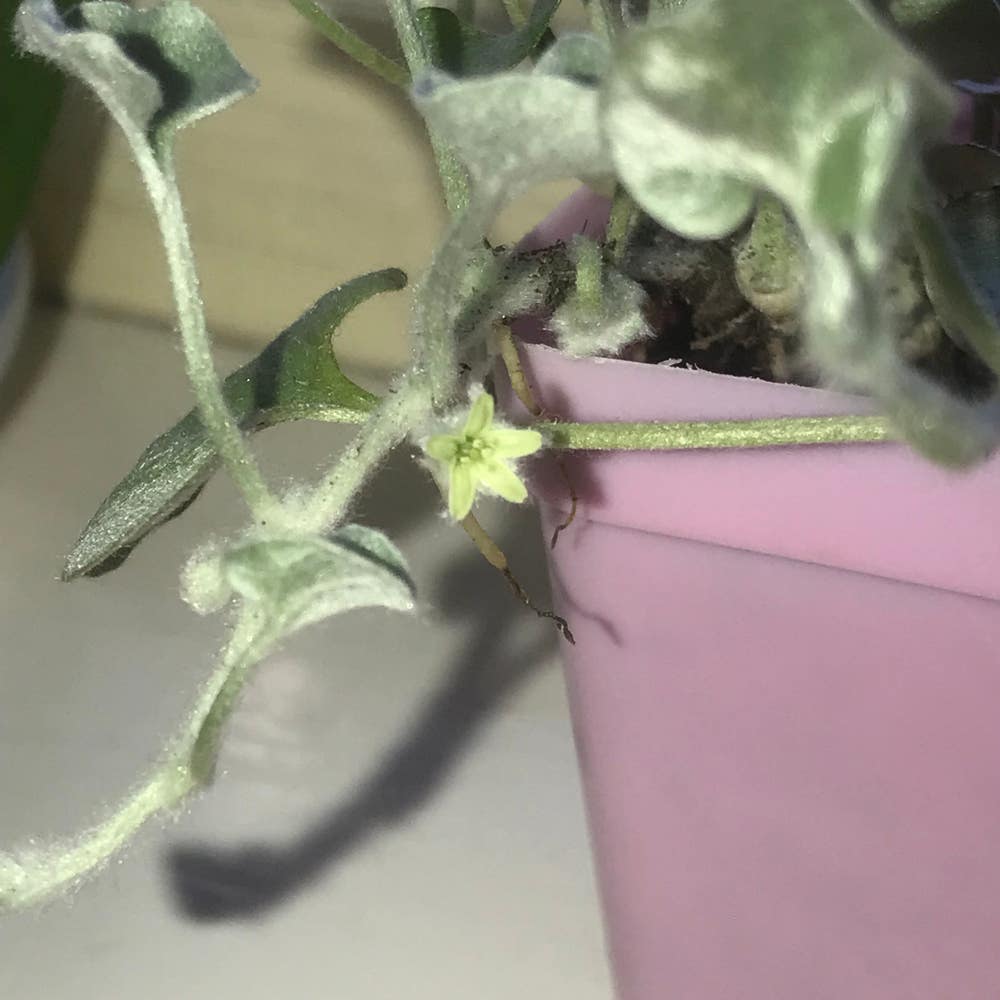
Dichondra repens Is a Perennial
Dichondra repens
By the Greg Editorial Team
Jul 24, 2024•3 min read
This article was created with the help of AI so we can cover more plants for you. May contain errors. See one? Report it here.
Transform your garden with Dichondra repens, the perennial that offers lasting beauty and effortless care. 🌱
- 🌱 Dichondra repens regrows annually, showcasing its resilient perennial nature.
- 🛌 Dormancy is key for surviving winter and spring regrowth.
- 🌿 Gardeners save time and money with its long-lasting growth and low maintenance.
Dichondra repens Perennial Basics
🌱 Defining Perennial Qualities
Dichondra repens, with its creeping growth and resilience, exemplifies the essence of a perennial plant. Perennials are the garden's enduring characters, surviving more than two years and often far longer.
- They regenerate season after season, even if they die back to the ground at times.
- Their roots stay alive, ready to usher in a new cycle of growth when conditions favor.
🔄 Dichondra repens Lifecycle
The lifecycle of Dichondra repens is a testament to its perennial nature.
- It boasts a multi-year existence, with the ability to regrow annually from its established root system.
- Even when winter temperatures dip, Dichondra repens maintains its verdant hue, with only minimal leaf browning, ready to burst into growth again with the warmth of spring.
Growth and Regeneration
Yearly Growth Patterns
🌱 Dichondra repens showcases its perennial prowess through distinct growth patterns. Each year, this ground cover unfurls a fresh set of leaves and stems, a testament to its enduring lifecycle. It thrives close to the earth, seldom rising above two inches, yet remains resilient through winter's chill, with minimal browning even when temperatures dip to 20 - 25 degrees Fahrenheit.
Regrowth from Roots
🌿 The secret to Dichondra repens's perennial vitality lies beneath the soil. Year after year, it springs back to life from the same robust root system, bypassing the need for annual replanting. This enduring foundation not only simplifies garden maintenance but also ensures a stable, thriving ground cover season after season.
Seasonal Adaptations
🌬️ Understanding Dormancy
Dichondra repens, like many perennials, has a clever survival strategy for the colder months: dormancy. This period of rest is essential for the plant's survival, allowing it to conserve energy when conditions are less than ideal.
- Timing: Dormancy in Dichondra repens typically begins in late fall as temperatures drop.
- Signs: The plant's growth slows, and it may appear less vibrant, but this is a natural part of its lifecycle.
- Duration: The dormancy phase can last several months, depending on the climate and conditions.
🌱 Seasonal Growth Changes
With the arrival of spring, Dichondra repens awakens from its restful state, ready to capitalize on the favorable growing conditions.
- Spring's warmth and increased sunlight trigger a resurgence of growth in Dichondra repens.
- The plant prepares for its growth cycle, timed perfectly with the longer days, ensuring a robust comeback year after year.
- Seasonal changes influence not only the timing but also the vigor of Dichondra repens's growth, showcasing its adaptability as a perennial.
Perennial Advantages for Gardeners
🌱 Longevity and Replanting
Gardeners often seek plants that promise longevity and ease of care—Dichondra repens delivers on both. As a perennial, it sidesteps the yearly replanting ritual, offering a sustainable, cost-effective ground cover option. Here's how it benefits your garden:
- Sustained Growth: Once established, Dichondra repens returns each year, preserving the garden's design and reducing the need for frequent replacements.
- Economic Efficiency: By eliminating annual replanting, gardeners save on both the cost of new plants and the labor involved in planting them.
🌿 Root System Benefits
The root system of Dichondra repens is like a well-established city underground, providing a strong foundation for the plant's health and the garden's stability. Here are the key advantages:
- Drought Resilience: A mature root system means better water retention, making Dichondra repens more drought-tolerant.
- Soil Structure: The roots help maintain soil integrity, preventing erosion and promoting a healthy garden ecosystem.
⚠️ Safety First
This content is for general information and may contain errors, omissions, or outdated details. It is not medical, veterinary advice, or an endorsement of therapeutic claims.
Always consult a qualified healthcare professional before using any plant as food, medicine, or supplement.
Never eat any plant (or feed one to pets) without confirming its identity with at least two trusted sources.
If you suspect poisoning, call Poison Control (800) 222-1222, the Pet Poison Helpline (800) 213-6680, or your local emergency service immediately.
Spotted an error? Please report it here.
Nurture your garden's resilience with Greg's tailored care plans 🌱, ensuring your Dichondra repens thrives and regrows robustly with each passing season.