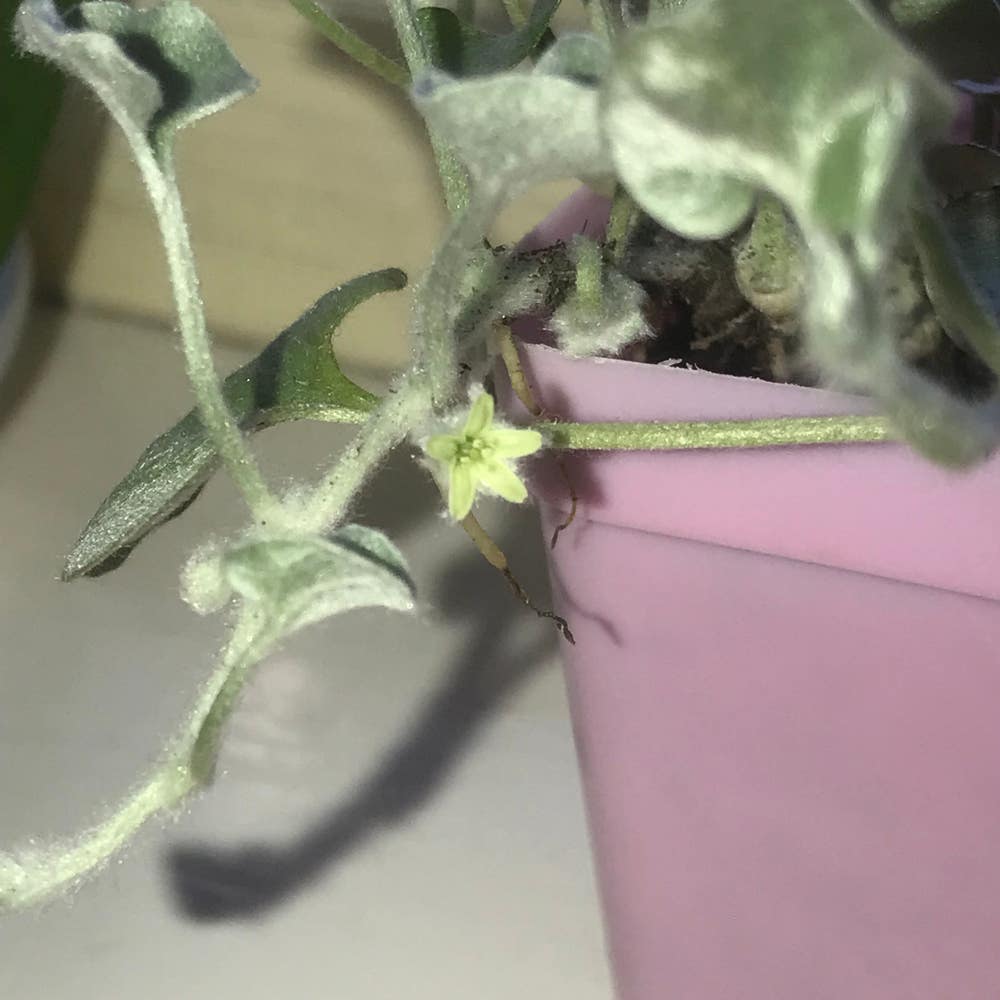
4 Tips for How to Plant Your Dichondra repens
Dichondra repens
By the Greg Editorial Team
Jul 24, 2024•4 min read
This article was created with the help of AI so we can cover more plants for you. May contain errors. See one? Report it here.
Grow a vibrant Dichondra lawn 🌱 with our fail-proof planting and nurturing secrets!
- 🌱 Choose the right site with sunlight and well-drained soil for Dichondra repens.
- 💧 Regular watering and spacing are key for optimal Dichondra growth.
- 🌤️🌱 Transplant when second leaves appear, and provide thorough post-transplant care.
Initial Considerations
🌞 Site Selection
Selecting the right location is paramount for Dichondra repens to flourish. Here's what to consider:
- Sunlight: Dichondra repens thrives in full sun to partial shade. Morning sunlight is ideal, providing gentle warmth without the intensity of midday rays.
- Soil Type: Aim for a moist, humus-rich soil. Before planting, enrich the site with compost to provide the nutrients Dichondra repens craves.
- Drainage: Well-drained soil is a must. Avoid waterlogged areas to prevent root rot. If the soil sticks to your finger during the finger test, it's too wet for planting.
💡 Understanding Plant Needs
Dichondra repens isn't just about looks; it has specific needs:
- Water: Regular watering is key, especially during warmer months. Allow the soil to dry out slightly between waterings.
- Temperature: Protect your Dichondra repens from extreme cold and heat. It prefers a consistent, mild climate.
- Space: Plant 25-30cm apart to give each plant room to establish its dense, mat-like growth.
Planting from Seeds
🌱 Timing and Preparation
Sowing Dichondra repens seeds at the right time is crucial for a lush ground cover. The prime sowing window is from March to May, capitalizing on the growing season's onset for robust root development.
- Prepare the soil by integrating compost to enrich it, ensuring a moist, humus-rich foundation.
- Choose containers with good drainage to prevent waterlogging, using a mix of potting soil, coarse sand, and perlite.
🌿 Sowing Techniques
Proper sowing techniques set the stage for healthy Dichondra repens growth.
- Sow seeds at a shallow depth, as light aids germination, and space clusters about 18 inches apart.
- The recommended seeding rate is 3 pounds per 1,000 square feet. Rake gently and use a light roller to press seeds into the soil.
- In warmer months, keep the soil moist but not drenched to encourage germination without causing rot.
🌱 Seedling Care
Nurturing seedlings is a delicate balance of providing ideal conditions and preparing them for the outdoor environment.
- Maintain consistent moisture and check the soil for compaction. Fertilize with nitrogen during the growth season.
- Gradually introduce seedlings to sunlight to acclimate them, increasing exposure incrementally.
- Before transplanting outdoors, harden off the seedlings by slowly exposing them to outside conditions over a week or two.
Transplanting Seedlings
When to Transplant
Timing is crucial when transplanting Dichondra repens seedlings. The ideal moment is when they've developed their second set of true leaves, indicating sufficient strength to adapt to outdoor conditions.
- Look for healthy, white roots peeking out of the container's bottom.
- Seedlings should exhibit upright growth and robustness.
- Aim for a day that's overcast to minimize stress from direct sunlight.
🌱 Transplanting Steps
Gentleness is key during the transplanting process to protect the delicate seedlings and ensure successful relocation.
- Moisten the soil in the container before starting to ease the removal of the seedling.
- Invert the pot and tap it lightly, or loosen the soil with a tool to extract the seedling without damaging the roots.
- Hold the seedling by the leaves or its base, avoiding the stem.
- Dig a hole in your garden that matches the depth at which the seedling was growing in the container.
- Space the seedlings 4-6 inches apart to allow for spreading.
- Backfill the hole with soil, pressing lightly to make good root-to-soil contact without overly compacting.
Post-Transplant Care
After transplanting, your Dichondra repens will need extra attention to thrive in its new location.
- Water the seedlings thoroughly after planting and maintain consistent moisture levels.
- Consider mulching around the plants to retain soil moisture and regulate temperature.
- Provide temporary shade if the post-transplant period features particularly hot or sunny days.
Ongoing Plant Care
💧 Watering and Feeding
Watering your Dichondra repens is less about sticking to a rigid schedule and more about observing the plant's needs. Here's how to get it right:
- Water deeply but infrequently, encouraging strong root development.
- Keep the soil consistently moist, especially during dry spells.
- Use a balanced fertilizer during the growing season, but ease up as growth slows down.
👀 Monitoring and Troubleshooting
Vigilance is key in preventing minor setbacks from becoming major issues. Here's what to watch for:
- Look out for signs of transplant shock, such as wilting or discolored leaves, and mitigate by ensuring consistent care.
- Poor germination? Make sure the soil is warm enough and not too wet or dry.
- Regularly check for pests like aphids and diseases like stem rot, and act promptly if you spot trouble.
By following these guidelines, you'll be well on your way to nurturing a healthy, vibrant Dichondra repens.
⚠️ Safety First
This content is for general information and may contain errors, omissions, or outdated details. It is not medical, veterinary advice, or an endorsement of therapeutic claims.
Always consult a qualified healthcare professional before using any plant as food, medicine, or supplement.
Never eat any plant (or feed one to pets) without confirming its identity with at least two trusted sources.
If you suspect poisoning, call Poison Control (800) 222-1222, the Pet Poison Helpline (800) 213-6680, or your local emergency service immediately.
Spotted an error? Please report it here.
Nurture your Dichondra repens 🌿 with Greg's custom watering plans and community insights, making every step from sowing to full bloom a gardener's delight!