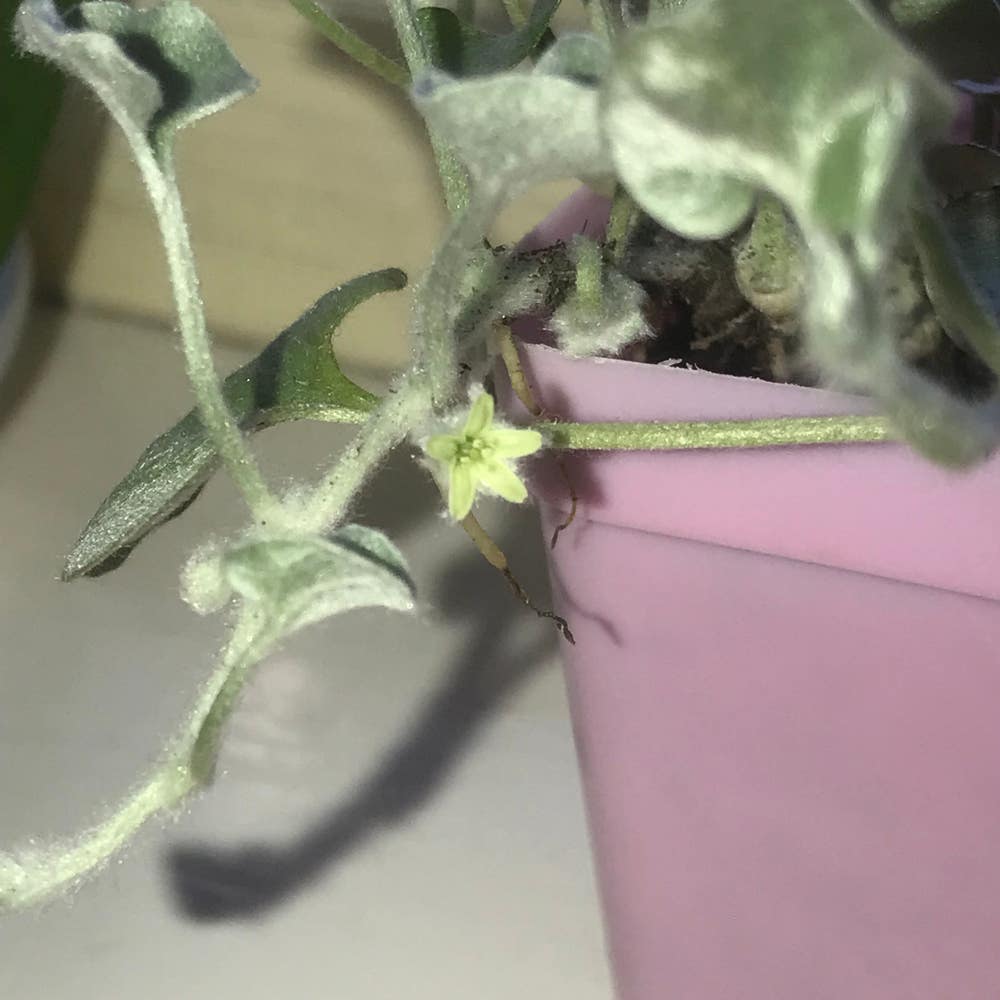
Common Dichondra repens Problems
Dichondra repens
By the Greg Editorial Team
Feb 28, 2024•4 min read
This article was created with the help of AI so we can cover more plants for you. May contain errors. See one? Report it here.
Nurture a lush Dichondra lawn 🌿 by tackling common care challenges with our pro tips!
- 💧 Over/under-watering? Look for yellow leaves or drooping; adjust watering routine.
- 🌡️ Keep it comfy: Bright, indirect light and temperatures between 65-78°F (18-25°C).
- 🌱 Combat root rot and pests with increased air circulation, neem oil, and vigilance.
Water Woes: Too Much or Too Little
💧 Spotting the Signs
Yellow leaves and a soggy soil texture are the telltale heartaches of over-watering your Dichondra repens. Conversely, leaves that droop like they've lost all hope in life signal a cry for water.
Finding the Balance
Water when the top inch of soil feels like a dry handshake – not too moist, not bone-dry. Consistency is your plant's best friend; establish a watering routine that's as reliable as your morning alarm.
Rescue and Recovery
If you've been heavy-handed with the watering can, halt the hydration station. Let the soil dry out like a sunny day after a storm. For the underwatered, introduce water gradually, like a gentle rain, allowing the plant to soak it up at its own pace. Adjust your approach as you learn your plant's unique thirst levels.
Light and Temperature: The Goldilocks Zone
🌞 Symptoms of Stress
Dichondra repens is as finicky as a cat with its food when it comes to light and temperature. Discoloration and a wilted demeanor are your first hints that your plant is throwing a silent tantrum. Too much sun and your Dichondra will crisp up; too little, and it'll stretch out, thin and weak, like it's reaching for the last cookie on a high shelf.
🌿 Creating the Ideal Environment
To keep your Dichondra repens from staging a protest, aim for bright, indirect light. It's like setting up a VIP lounge for your plant—exclusive, but not isolated. As for temperature, think of your plant as a guest at a party; you want it comfortable, not shivering in a corner or sweating on the dance floor. Keep the thermostat steady between 65-78°F (18-25°C). Avoid placing your green friend near drafty windows or next to heat sources that act like unpredictable space heaters. Remember, stability is key—sudden changes in temperature are as welcome as a downpour at a picnic.
The Unseen Enemy: Root Rot and Fungal Foes
🚨 Early Warning Signals
Detecting the onset of root rot and mold or fungus can be tricky. Mushy roots and a foul odor are the distress signals of this silent plant assassin. Above ground, look for yellowing leaves or stunted growth—these could be cries for help from your Dichondra repens.
🔄 Turning the Tide
🕵️ Inspect and Act
If you suspect root rot, it's time for a root reconnaissance. Gently unearth your plant and inspect the roots. If they're dark, mushy, or smell like decay, you've got a problem.
🏥 Surgical Precision
Using sterilized scissors, snip away the rotted roots. It's like cutting out the bad parts of an apple—only the stakes are higher.
🧼 Clean House
Sanitize the pot with a bleach solution to banish lingering pathogens. It's like giving your plant's home a deep clean after a nasty flu.
🌱 Fresh Start
Repot with fresh, sterile soil in a pot that drains well. Think of it as moving your plant to a new home with better living conditions.
🌬️ Environmental Adjustments
Increase air circulation and reduce moisture levels. It's like adjusting the thermostat and humidity in your home for optimal comfort.
🌿 Fungicide Friends
Consider using neem oil or biological fungicides as your first line of defense. They're the eco-friendly bouncers at your plant's door. For tougher cases, chemical fungicides like iprodione or fenhexamid may be necessary, but always spot-test first. It's like choosing the right medicine for a specific illness.
🛡️ Prevention is Key
Keep the soil debris-free and avoid overwatering. It's like avoiding junk food and excess drinking for your plant's health. Stay vigilant for the earliest signs of trouble to act fast and prevent a full-blown root rot rave.
Pests and Leaf Scorch: External Aggressors
🐛 Pests: The Usual Suspects
Dichondra repens, while robust, isn't immune to pest invasions. Flea beetles and cutworms are the main culprits, munching on leaves and compromising plant vigor. Vigilance is key—regularly inspect for damage and act swiftly.
🍂 Leaf Scorch: Symptoms and Prevention
Leaf scorch in Dichondra repens manifests as browning edges and a wilted appearance, often due to intense sunlight, high temperatures, or drying winds. Prevention involves providing shade during peak sun, ensuring adequate hydration, and protecting from harsh elements.
Counterattack Tactics
Combat pests with insecticides if necessary, but a healthy Dichondra can often bounce back on its own. For leaf scorch, adjust watering practices and consider mulching to maintain soil moisture. If fungal issues arise, fungicides may be required—choose wisely and apply as directed.
⚠️ Safety First
This content is for general information and may contain errors, omissions, or outdated details. It is not medical, veterinary advice, or an endorsement of therapeutic claims.
Always consult a qualified healthcare professional before using any plant as food, medicine, or supplement.
Never eat any plant (or feed one to pets) without confirming its identity with at least two trusted sources.
If you suspect poisoning, call Poison Control (800) 222-1222, the Pet Poison Helpline (800) 213-6680, or your local emergency service immediately.
Spotted an error? Please report it here.
Keep your Dichondra repens flourishing 🌿 with Greg's custom watering schedule, tailored to prevent over-watering and under-watering mishaps from the comfort of your app.