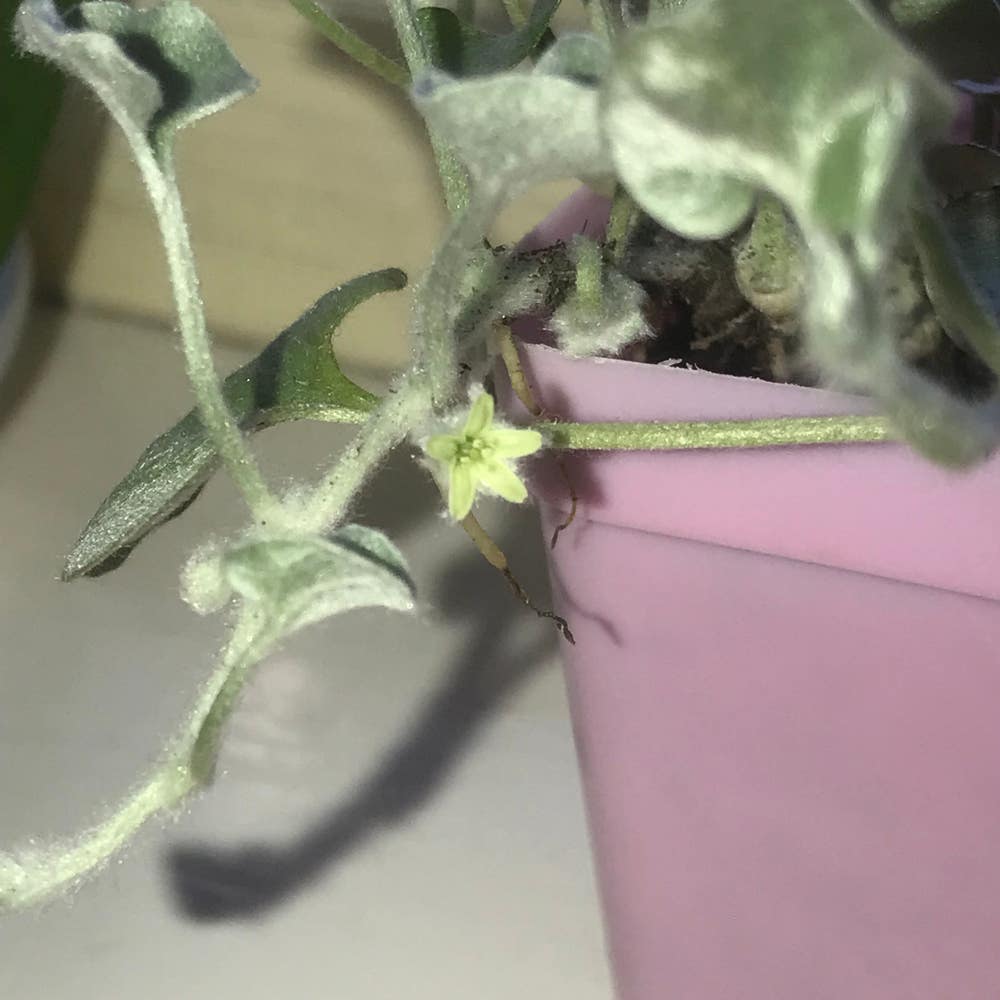
Why Are My Dichondra repens Leaves Falling Over?
Dichondra repens
By the Greg Editorial Team
Feb 28, 2024•4 min read
This article was created with the help of AI so we can cover more plants for you. May contain errors. See one? Report it here.
Revive your wilting Dichondra repens 🍃 and transform it into a vibrant, upright spectacle with these expert tips!
- Over/underwatering Dichondra repens? Look for yellowing or dry leaves.
- Moderate temps and indirect light keep leaves perky.
- Well-draining soil and aeration ensure root and leaf health.
Spotting the Telltale Signs
Recognizing early symptoms of distress in Dichondra repens is like being a plant detective. Here's the lowdown on what to watch for:
🚨 Recognizing Early Symptoms of Distress
- Discoloration: A change from lush green to yellow or brown is a red flag.
- Wilting: Leaves that droop or curl are crying out for help.
- Leaf Drop: If leaves are falling over or dropping like flies, it's a sign of stress.
- Stunted Growth: When growth seems to have hit the brakes, it's time to investigate.
🌿 Monitoring Plant Health: The Happy Plant Checklist
- Vibrant Leaves: A happy Dichondra repens sports a carpet of green, kidney-shaped leaves.
- Robust Growth: Look for new leaves sprouting regularly.
- Firm Stems: They should stand up to a gentle poke without collapsing.
- Even Moisture: The soil should be moist but not soggy.
- No Pests in Sight: Keep an eye out for any freeloaders.
Remember, your Dichondra repens won't send an SOS text. Stay vigilant, and you'll keep those leaves standing tall.
When Water Does More Harm Than Good
💧 Overwatering Woes
Soggy soil is a death sentence for Dichondra repens. Overwatering transforms the earth into a swamp, suffocating the roots and inviting rot. If the soil sticks to your finger, it's too wet. Yellowing leaves and a plant that looks more defeated than a kid who dropped their ice cream cone are signs you've gone overboard with the watering can.
🕵️ Spotting and Fixing the Root Rot Problem
Root rot is like a silent plant assassin; it creeps in when excess moisture throws a party for fungi and bacteria. If your Dichondra repens is wilting with a side of mushy leaves, it's time for an intervention. Repotting in fresh, well-draining soil can be the lifeline it needs. Make sure your pot has drainage holes to avoid future waterlogging tragedies.
🏜️ The Thirsty Plant Paradox
Underwatering is the sneaky counterpart to overwatering, leaving your Dichondra repens as parched as a desert traveler. Look for leaves that are dry, crispy, and drooping like they've given up on life. Proper watering means a thorough soak until water runs free from the drainage holes, but not so much that your plant needs a life jacket. Remember, the top inch of soil should be dry before you reach for the watering can again.
Battling Environmental Stress
🌡️ Too Hot, Too Cold, Just Right
Dichondra repens thrives in moderate temperatures. It's a bit like Goldilocks; not too hot, not too cold, but just right. Aim for a steady range, avoiding the extremes that can cause leaves to wilt or fall over.
💡 Let There Be (The Right Amount of) Light
Bright, indirect light is your Dichondra repens' best friend. Direct sun can be harsh, leading to droopy leaves, while too little light can weaken the plant. Adjust your plant's position to find that sweet spot where the light is just enough to keep it healthy without scorching its delicate leaves.
💨 Airflow Matters
Good air circulation is crucial, but avoid placing your Dichondra repens in the path of strong winds. Think of it as needing a gentle breeze rather than a gusty windstorm. This balance helps prevent disease and keeps your plant's leaves perky and upright.
Soil and Roots: The Foundation of Health
💧 The Role of Well-Draining Soil
Well-draining soil isn't just a preference; it's a necessity for Dichondra repens. Without it, you're basically giving your plant concrete shoes and throwing it into a pool. Ensure your potting mix is a VIP lounge for roots, where water hangs out just long enough to be useful before bouncing out the drainage holes.
🌬 Aeration Techniques
Aeration is like giving your plant's roots a gym membership. They need to work out, stretch, and breathe to keep your leaves standing tall. Use a chopstick or a fork to gently fluff the soil around the roots, promoting air flow and deterring compaction. It's a simple move that can save your plant from the dreaded droop.
🌱 Preventing Water-Related Issues
Compacted, soggy soil is the ultimate buzzkill for roots. They can't thrive in an underwater mosh pit. Mix in some perlite or coarse sand to get that soil structure party-ready. Think of it as setting the stage for a root rave, minus the hangover of waterlogged despair.
🌿 Keeping Roots Healthy and Leaves Upright
Healthy roots are the secret sauce to perky leaves. If your Dichondra repens is looking more defeated than a deflated balloon, it's time to check the underground scene. Regularly prune your plant to encourage vigorous growth and ensure the soil is loose and luxurious, like a five-star hotel for roots.
⚠️ Safety First
This content is for general information and may contain errors, omissions, or outdated details. It is not medical, veterinary advice, or an endorsement of therapeutic claims.
Always consult a qualified healthcare professional before using any plant as food, medicine, or supplement.
Never eat any plant (or feed one to pets) without confirming its identity with at least two trusted sources.
If you suspect poisoning, call Poison Control (800) 222-1222, the Pet Poison Helpline (800) 213-6680, or your local emergency service immediately.
Spotted an error? Please report it here.
Ensure your Dichondra repens leaves are standing tall 🌿 by using Greg to monitor plant health and perfect your watering routine, avoiding the pitfalls of over or underwatering.