Dealing with Dichondra repens as a Weed
Dichondra repens
By the Greg Editorial Team
Jul 24, 2024•5 min read
This article was created with the help of AI so we can cover more plants for you. May contain errors. See one? Report it here.
Safeguard ecosystems by mastering Dichondra repens identification and control 🌿🚫.
- 🌱 Dichondra repens invades rapidly, outcompeting native plants and impacting ecosystems.
- 🚫 Management includes manual, chemical, and biological methods; quick response is crucial.
- 📜 Legal considerations affect Dichondra repens control; know your local regulations.
Identifying Dichondra repens
🌿 Key Characteristics
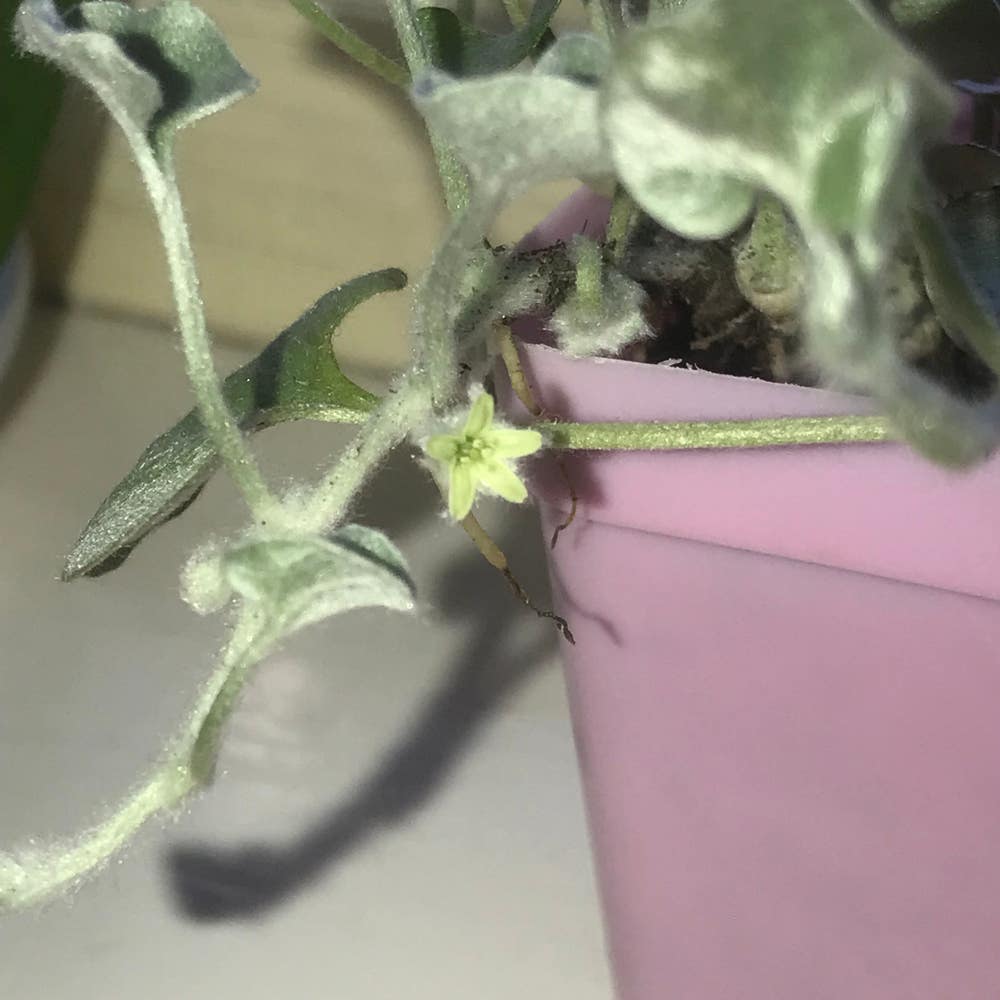
Dichondra repens, often mistaken for a simple ground cover, is a perennial herb that can be identified by its unique foliage. The leaves are kidney-shaped to nearly circular, with a soft, velvety texture due to fine greyish hairs. They range from 5–25 mm in length and sit atop petioles that can be 10–50 mm long. The creeping habit of this plant allows it to form roots at nodes, which contributes to its invasive nature. Dichondra repens blooms with small, greenish-yellow flowers that are star-shaped, typically appearing from spring through summer, with a peak in November.
🌱 Common Look-Alikes
Distinguishing Dichondra repens from its look-alikes requires a keen eye.
- Leaf Shape: While other ground covers may have similar leaf shapes, Dichondra repens' leaves are distinctly kidney-shaped and have a heart-shaped base.
- Growth Pattern: It forms a dense mat-like structure, unlike some other plants that may grow more vertically.
- Flower Structure: The flowers of Dichondra repens are solitary and borne on long pedicels, which is not common among its look-alikes.
When identifying Dichondra repens, consider the entire plant, including leaf texture, growth habit, and flower characteristics, to avoid confusion with other species.
Understanding Invasiveness
🌿 Weed vs. Invasive Species
Dichondra repens, often dubbed a weed or invasive, earns its classification not just by showing up uninvited but by its tenacity and vigor. Here's why it's more than just a nuisance:
- Rapid Spread: It's a master of making itself at home, sprouting in lawns and gardens without a formal invite.
- Competitive Nature: This plant doesn't play fair; it outcompetes native species for sunlight, nutrients, and space.
- Ecological Impact: Its dominance can disrupt local ecosystems, altering the natural balance.
🌱 Spread and Success
How does Dichondra repens claim victory over native flora? It's all in the strategy:
- Adaptive Growth: Thriving in full sun to 80% shade, it's not picky about its living conditions.
- Reproductive Tactics: With a creeping habit, it quietly expands its territory, often going unnoticed until it's too late.
- Environmental Opportunism: It capitalizes on disturbed habitats, filling voids left by human activity or environmental changes.
Understanding these traits is key to keeping Dichondra repens in check and protecting our ecosystems.
Potential Benefits
Historical and Current Uses
Dichondra repens, often seen as an unwelcome invader, has a flip side to its story. Historically, it's been valued for its medicinal properties, believed to aid in fever reduction, detoxification, and even blood pressure management. In the garden, its low maintenance and tolerance to foot traffic have made it a favorite as a lawn substitute or a charming filler between stepping stones.
- Medicinal uses include:
- Fever reduction and swelling alleviation
- Detoxification and potential liver benefits
- Diuretic properties and urinary blockage prevention
- Blood circulation enhancement
- Blood pressure management and myocardial oxygen consumption reduction
- Antibacterial effects and hemoptysis treatment
In modern landscaping, Dichondra repens' dense mats create a lush backdrop for other plants, thriving in zones 10-11. Its frost and drought tolerance once established make it a practical choice for rockeries, hanging baskets, and pots. However, while these uses are noteworthy, they do not overshadow the plant's invasive tendencies and the need for careful management.
Managing Dichondra repens
🌿 Manual Removal
Removing Dichondra repens by hand can be effective, especially before it goes to seed. Here's a step-by-step guide:
- Identify the Dichondra repens using key characteristics to ensure you're removing the correct plant.
- For small infestations, pull the plants gently but firmly to get the entire root system.
- Use a gardening fork or trowel to loosen the soil around deeper roots, making them easier to extract.
- Dispose of the plants in a way that they can't re-root or spread seeds, such as bagging and removing from the site.
- Regularly monitor the area for new growth, as seeds can remain dormant in the soil for extended periods.
🧪 Chemical Control
Chemical herbicides can be a tool for controlling Dichondra repens, but they must be used responsibly:
- Select a herbicide labeled effective against Dichondra repens and suitable for the surrounding flora.
- Always read and follow the label instructions for safe and effective application.
- Consider spot treatments to minimize impact on non-target plants and reduce chemical use.
- Wear protective clothing and avoid spraying on windy days to prevent drift to other areas.
🌱 Biological Strategies
Introducing natural predators or competitive plants can help manage Dichondra repens:
- Research and introduce insects known to feed on Dichondra repens, if available in your region.
- Plant competitive native species that can outcompete Dichondra repens for resources.
🚫 Prevention and Early Response
Preventing the spread of Dichondra repens is crucial for management:
- Maintain a healthy lawn and garden to reduce the chances of Dichondra repens establishing.
- Implement proper cultural practices like appropriate mowing height and watering routines.
- Be vigilant and respond quickly to new infestations to prevent them from taking hold.
Legal Considerations
Navigating the legal landscape is essential for anyone dealing with Dichondra repens. Regulations can vary widely depending on the region, as some areas may classify the plant as invasive, leading to strict controls on its cultivation, sale, and distribution.
- Check with local authorities or the Noxious Weed Control Board for specific regulations in your area.
- In some jurisdictions, permits may be required for the mechanical removal or chemical treatment of Dichondra repens, especially if it involves public lands or waterways.
- Compliance with local laws is crucial to avoid penalties and to contribute to the overall effort to manage invasive species effectively.
⚠️ Safety First
This content is for general information and may contain errors, omissions, or outdated details. It is not medical, veterinary advice, or an endorsement of therapeutic claims.
Always consult a qualified healthcare professional before using any plant as food, medicine, or supplement.
Never eat any plant (or feed one to pets) without confirming its identity with at least two trusted sources.
If you suspect poisoning, call Poison Control (800) 222-1222, the Pet Poison Helpline (800) 213-6680, or your local emergency service immediately.
Spotted an error? Please report it here.
Turn your Dichondra dilemma into a victory for your garden 🌿 with Greg's precise plant identification and custom care advice for a healthier, happier ecosystem!