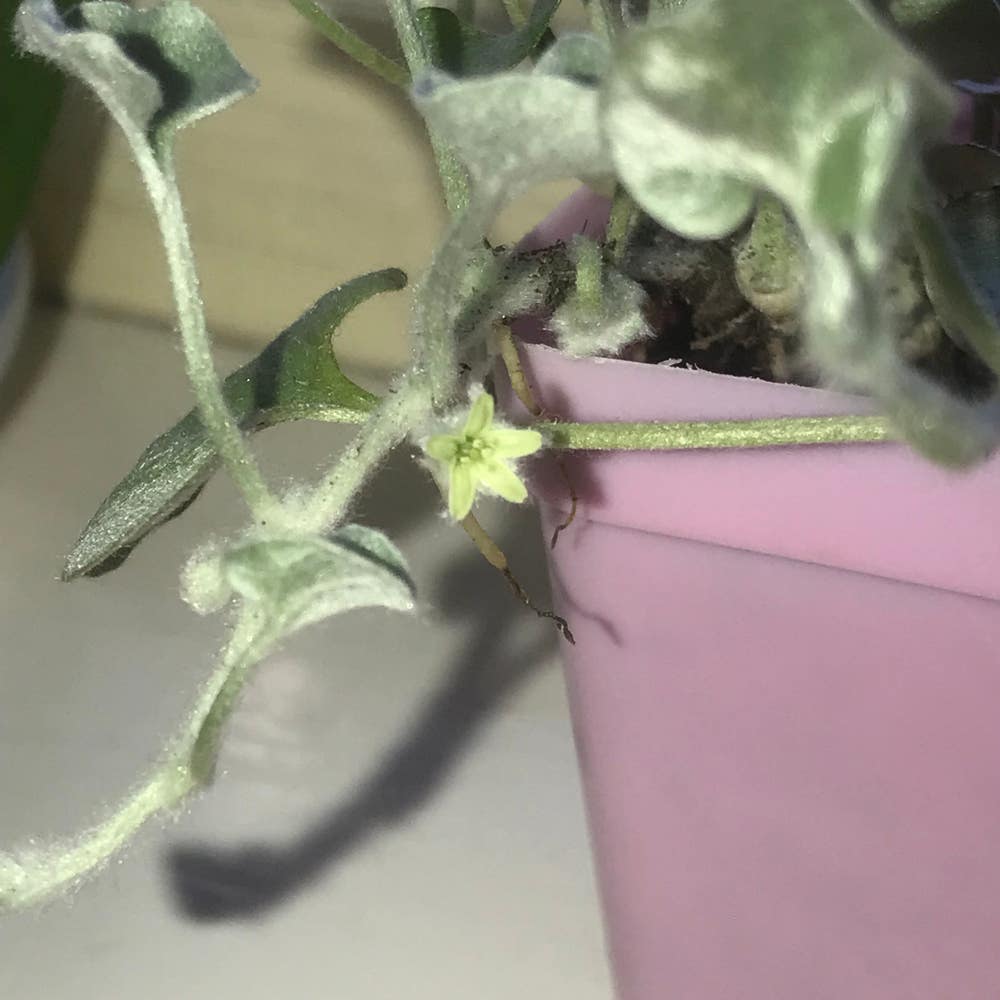
7 Perfect Pot Styles for Dichondra repens
Dichondra repens
By the Greg Editorial Team
Jul 24, 2024•4 min read
This article was created with the help of AI so we can cover more plants for you. May contain errors. See one? Report it here.
Grow lusher Dichondra repens 🌱 by nailing the right pot size and material for optimal health and growth!
- 🌱 Start small with pots for seedlings to encourage healthy Dichondra repens roots.
- 🕳️ Drainage holes are crucial to prevent root rot in Dichondra repens.
- 🌿 Repot in spring for optimal Dichondra repens growth and recovery.
Selecting Pot Size
🌱 Starting Small
- Seedlings and young Dichondra repens plants benefit from starting in smaller pots, which helps maintain the right moisture balance and encourages healthy root growth.
- Ideal seedling pots range from 2 to 4 inches in diameter, preventing soil from drying unevenly and ensuring enough space for initial root development.
🌿 Upsizing Pots
- As Dichondra repens grows, it will require more space to continue thriving.
- Transition to a larger pot when roots peek out of drainage holes or growth slows, typically moving to a pot 1-2 inches larger in diameter.
- Upsizing gradually is crucial to avoid overwatering and to promote strong root systems.
- The best time to repot is in the spring, when the plant is entering a natural growth phase and can recover more easily from the transition.
Drainage Essentials
💧 Importance of Drainage Holes
Drainage holes are a non-negotiable feature for pots housing Dichondra repens. They act as an escape route for excess water, preventing the dreaded root rot by stopping water from pooling at the pot's base. This simple yet vital feature mimics the plant's natural environment, allowing the soil to dry out appropriately between waterings.
- Drainage holes prevent over-saturation of the soil.
- They help avert root diseases by stopping water from accumulating at the bottom.
🌊 Improving Drainage
Beyond just having drainage holes, there are additional strategies to ensure your Dichondra repens doesn't suffer from wet feet.
- Mix in coarse sand or perlite with the potting soil to improve aeration and drainage.
- Consider a layer of gravel at the bottom of the pot to facilitate water flow.
- Always use a well-draining potting mix that allows water to pass through quickly.
- Pair your pot with a saucer to catch runoff water, but be sure to empty it regularly.
Pot Material Choices
🏺 Clay and Terracotta
Terracotta pots are a classic choice for Dichondra repens, offering a porous home that promotes healthy root respiration. Here's why they're a solid pick:
- They allow air and water to pass through, reducing the risk of root rot.
- The material's natural wicking properties help prevent overwatering by drying out the soil more evenly.
However, keep in mind:
- Terracotta pots will require more frequent watering due to their breathability.
- They are heavier and more fragile, so choose a permanent spot to avoid breakage.
🥤 Plastic and Resin
Plastic and resin pots are the go-to for gardeners seeking convenience and moisture retention. Consider these when:
- You're looking for a lightweight option that's easy to move around.
- Your watering schedule is less frequent, as these pots help keep soil moist for longer.
But be cautious:
- Ensure your plastic pots have adequate drainage holes to avoid waterlogging.
- They may not be as breathable, so pair them with a well-draining soil mix to compensate.
Repotting and Pot Selection
🌱 Signs for Repotting
Dichondra repens tells you it's time for a new pot; you just need to know what to look for.
- Roots peeking out of drainage holes or circling the soil surface scream for more space.
- If growth has slowed to a crawl or leaves lose their shine, your plant is likely feeling cramped.
- A pot that's become a tight squeeze for the roots hampers both water uptake and nutrient absorption.
🏺 Choosing a New Pot
Selecting the right pot for your Dichondra repens is a balance of function and style.
- Aim for a pot that's one to two sizes larger than the current one, providing ample room for roots without going overboard.
- Ensure the new pot has drainage holes to prevent waterlogging—a surefire way to invite root rot.
- Consider pot materials: clay or terracotta pots offer breathability, while plastic or resin retain moisture for those times you forget to water.
- Repot in spring to give your Dichondra repens a fresh start during its most vigorous growth phase.
⚠️ Safety First
This content is for general information and may contain errors, omissions, or outdated details. It is not medical, veterinary advice, or an endorsement of therapeutic claims.
Always consult a qualified healthcare professional before using any plant as food, medicine, or supplement.
Never eat any plant (or feed one to pets) without confirming its identity with at least two trusted sources.
If you suspect poisoning, call Poison Control (800) 222-1222, the Pet Poison Helpline (800) 213-6680, or your local emergency service immediately.
Spotted an error? Please report it here.
Ace your Dichondra repens pot transitions 🌿 by using Greg to monitor soil moisture and get reminders for the perfect repotting times in spring.