🌿 Common Rue Is a Perennial
Ruta graveolens
By the Greg Editorial Team
Sep 30, 2024•6 min read
This article was created with the help of AI so we can cover more plants for you. May contain errors. See one? Report it here.
Unlock your garden's potential with resilient Common Rue, a perennial that thrives year after year! 🌱
- 🌱 Common Rue is a resilient perennial, thriving for 5-10 years with seasonal cycles.
- 🌞 Optimal care involves understanding sunlight, soil, and moisture needs for better growth.
- 🐝 Supports local wildlife, enhancing your garden's ecosystem with pollinator-friendly environments.
Characteristics of Common Rue as a Perennial
Definition and Lifecycle 🌱
Perennial plants are those that live for more than two years, and Common Rue is a prime example of this classification. Unlike annuals, which complete their lifecycle in one growing season, or biennials, which take two years, Common Rue emerges, flowers, and then goes dormant each year, showcasing its multi-year lifecycle.
During spring, Common Rue breaks through the soil, displaying vibrant green foliage. As summer approaches, it produces small yellow flowers, followed by a period of dormancy in the colder months, where it conserves energy and prepares for the next cycle.
Growth Patterns and Root Regeneration 🌿
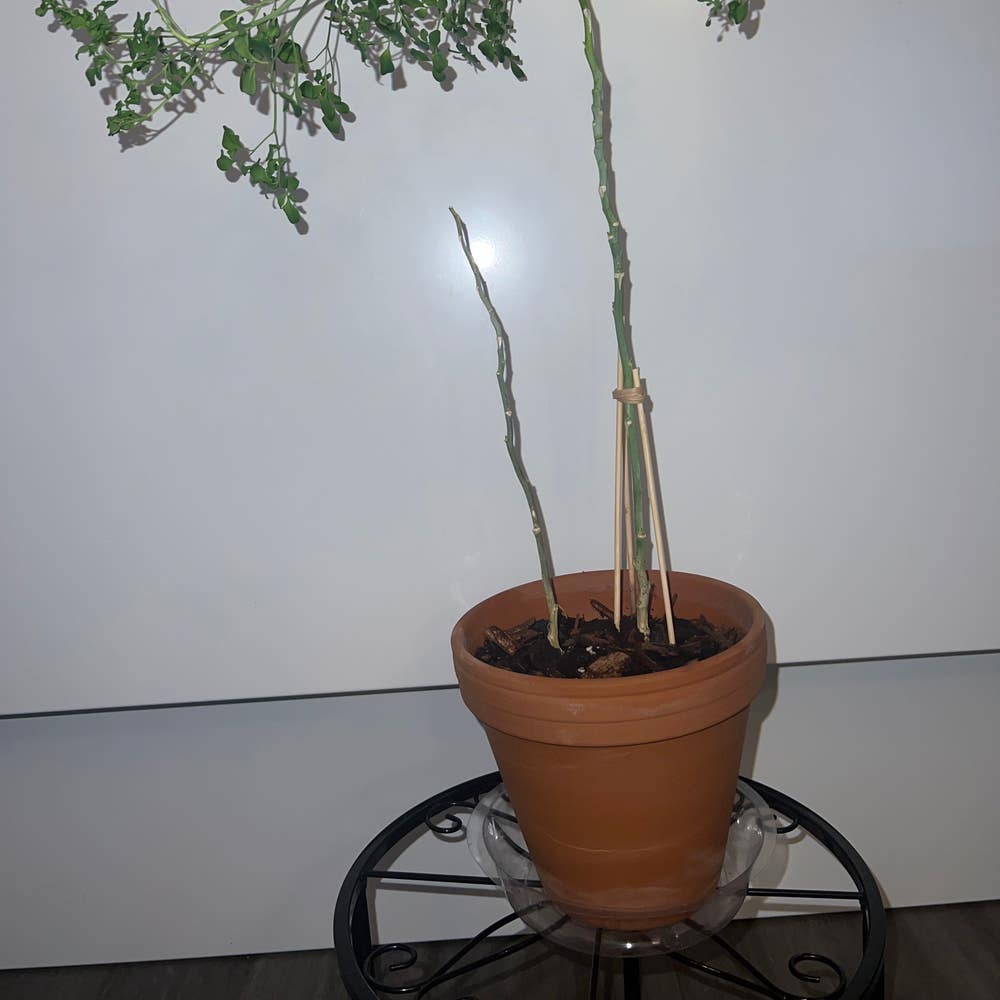
One of the remarkable features of Common Rue is its ability to regrow from the same root system each year. This deep and established root structure not only supports the plant's longevity but also allows it to thrive in various conditions.
Common Rue exhibits resilience and adaptability, making it suitable for different growing environments. Whether in well-drained soil or slightly shaded areas, this perennial can flourish, showcasing its robust nature and ability to bounce back season after season.
With its unique characteristics, Common Rue stands out as a perennial that gardeners can rely on for consistent growth and beauty. As we delve deeper into its seasonal changes and dormancy, we will uncover how these traits further enhance its appeal in gardens.
Seasonal Changes and Dormancy
🌱 Dormancy and Seasonal Growth
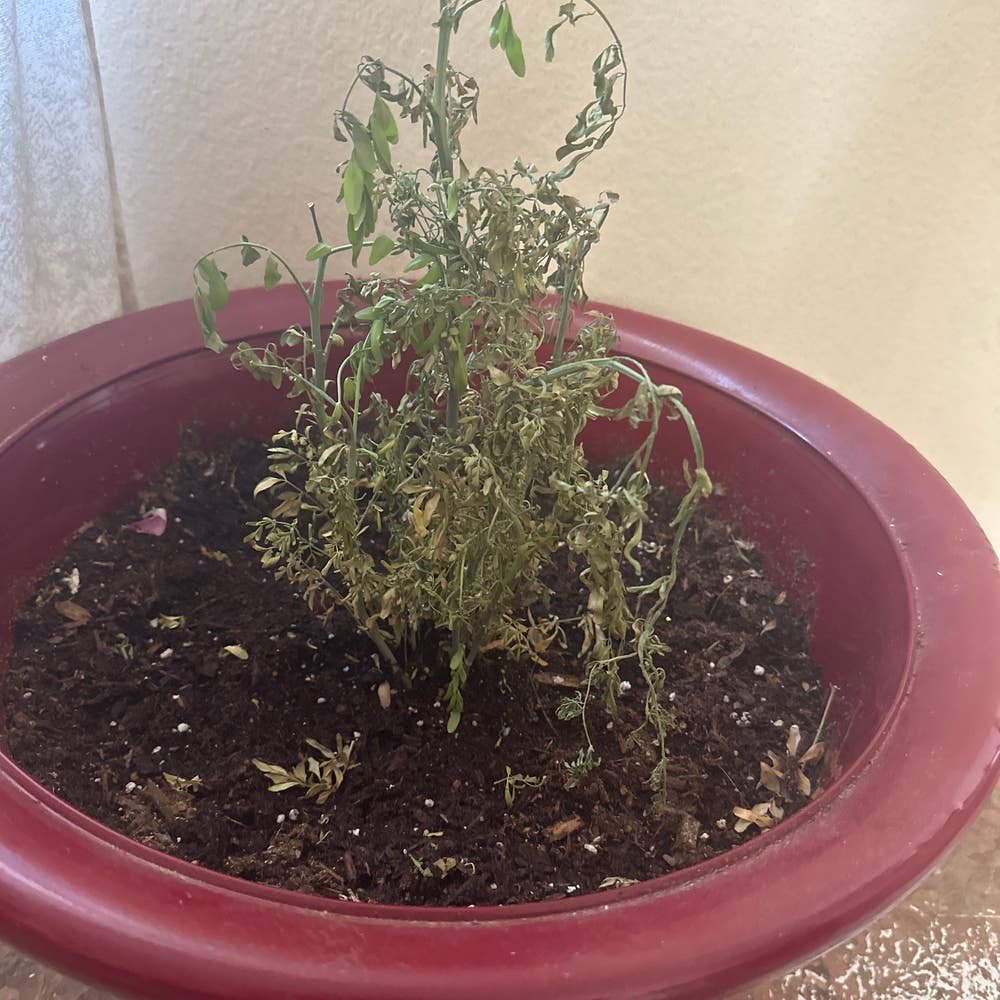
Common Rue experiences distinct dormancy periods during the colder months. This dormancy is a survival strategy, allowing the plant to conserve energy and resources until conditions are favorable again.
During spring, Common Rue emerges from dormancy, showcasing vibrant new growth. As summer approaches, it bursts into bloom, displaying its unique flowers, before preparing for dormancy in the autumn.
🌼 Factors Influencing Flowering
Several factors influence the flowering of Common Rue. Temperature, light, and moisture levels play crucial roles in determining when and how profusely the plant will bloom.
Understanding these seasonal changes can help gardeners optimize their care for Common Rue. By recognizing its growth patterns, you can create a thriving environment that encourages robust flowering and healthy growth.
With this knowledge, you can better appreciate the resilience of Common Rue and its adaptability to seasonal shifts. This understanding sets the stage for exploring the advantages of its perennial nature in the next section.
Advantages for Gardeners
Benefits of Perennial Nature 🌱
Common Rue, as a perennial, significantly reduces the need for annual replanting. This means less time and effort spent on garden maintenance, allowing you to enjoy your space more.
Established root systems are a game-changer for plant resilience. These deep roots help Common Rue survive adverse weather conditions, such as drought or heavy rain, making it a reliable choice for gardeners.
Long-Term Growth and Sustainability 🌍
Perennials like Common Rue contribute to a sustainable garden ecosystem. They improve soil health over time, enhancing nutrient availability for other plants.
Additionally, their longevity means you can enjoy their beauty year after year without the hassle of replanting. This not only saves you money but also fosters a more stable garden environment.
Environmental Benefits 🌿
Choosing perennials also benefits the environment. They require less water and fertilizer compared to annuals, reducing your garden's ecological footprint.
By planting Common Rue, you're not just creating a beautiful space; you're also supporting local wildlife, such as pollinators, which thrive in perennial-rich gardens.
Conclusion 📝
Incorporating Common Rue into your garden offers numerous advantages, from reduced maintenance to environmental benefits. As we explore the lifespan and longevity factors of this remarkable plant, you'll see how these traits contribute to its overall appeal.
Lifespan and Longevity Factors
Expected Lifespan of Common Rue 🌱
Common Rue typically enjoys a lifespan of 5 to 10 years as a perennial plant. This longevity is comparable to other perennials, which can range from a few years to several decades, depending on the species and growing conditions.
Environmental Factors Affecting Longevity 🌍
Several environmental factors play a crucial role in determining how long Common Rue thrives.
Soil Quality: Well-draining, nutrient-rich soil promotes healthy growth. Poor soil can stunt development and reduce lifespan.
Moisture Levels: Consistent moisture is vital, but overwatering can lead to root rot. Striking a balance is key.
Sunlight Exposure: Common Rue prefers full sun to partial shade. Insufficient light can weaken the plant, making it more susceptible to stress.
Pests and Diseases: Regular monitoring for pests like aphids and diseases such as powdery mildew can help maintain plant health. Early intervention is essential for longevity.
By understanding these factors, gardeners can create optimal conditions for Common Rue, ensuring it remains vibrant and resilient for years to come.
Conclusion 📝
Incorporating these insights into your gardening practices will not only enhance the lifespan of Common Rue but also contribute to a thriving garden ecosystem. Next, we’ll explore how climate zone variations impact the growth and dormancy of this remarkable perennial.
Climate Zone Variations
🌍 How Climate Zones Affect Common Rue
Common Rue thrives in various climate zones, but its growth and dormancy can significantly vary. In warmer climates, it may experience longer growing seasons, while in colder regions, it enters dormancy earlier, conserving energy for the next cycle.
Temperature fluctuations and moisture levels play crucial roles in its development. For instance, excessive heat can stress the plant, while too much moisture may lead to root rot. Understanding these factors helps gardeners tailor their care strategies effectively.
🏡 Strategies for Garden Planning
Incorporating Common Rue into your garden design requires thoughtful planning. Start by selecting a location that aligns with its sunlight and moisture needs. Ideally, it prefers well-drained soil and full sun to partial shade.
Consider companion planting to enhance growth. Pairing Common Rue with other perennials can create a vibrant ecosystem, improving resilience against pests and diseases. Additionally, mulching can help retain moisture and regulate soil temperature, promoting healthier root systems.
🌱 Long-Term Cultivation Practices
For long-term success, regular maintenance is key. Pruning spent flowers encourages new growth and prolongs blooming. Monitoring soil quality and adjusting pH levels can also boost plant health.
Finally, be mindful of seasonal changes. Adjust watering schedules based on weather patterns to ensure your Common Rue remains robust throughout its lifecycle. With these strategies, you can enjoy the beauty and benefits of this resilient perennial for years to come.
As you plan your garden, remember that understanding your climate zone is essential for nurturing Common Rue effectively. This knowledge not only enhances growth but also enriches your gardening experience.
⚠️ Safety First
This content is for general information and may contain errors, omissions, or outdated details. It is not medical, veterinary advice, or an endorsement of therapeutic claims.
Always consult a qualified healthcare professional before using any plant as food, medicine, or supplement.
Never eat any plant (or feed one to pets) without confirming its identity with at least two trusted sources.
If you suspect poisoning, call Poison Control (800) 222-1222, the Pet Poison Helpline (800) 213-6680, or your local emergency service immediately.
Spotted an error? Please report it here.
Cultivate the vibrant resilience of Common Rue 🌿 with Greg's tailored care reminders and tips, ensuring your perennial thrives beautifully through every season!