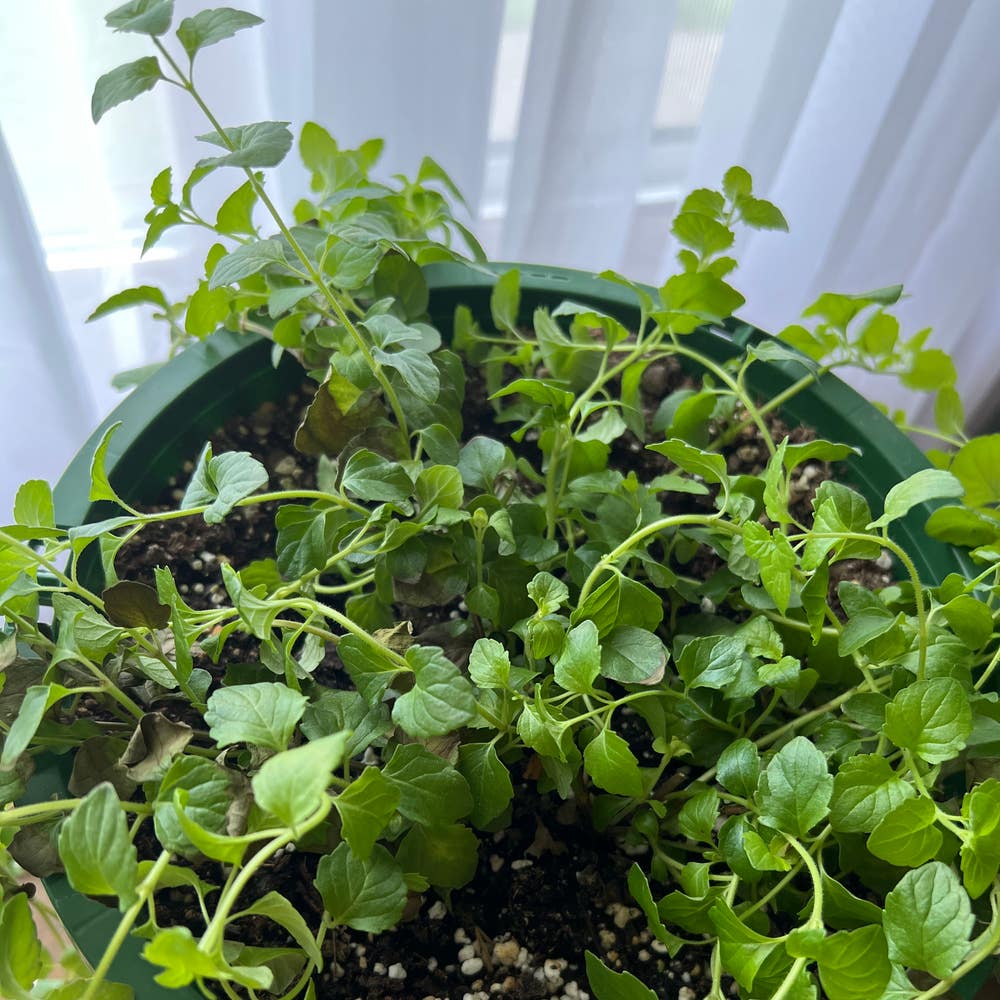
Why Are There Brown Spots on My Mexican Mint Leaves?
Coleus amboinicus
By the Greg Editorial Team
Jun 15, 2024•3 min read
This article was created with the help of AI so we can cover more plants for you. May contain errors. See one? Report it here.
Prevent brown spots from ruining your Mexican Mint 🌿—discover the secrets to a healthy, spot-free herb!
- Identify brown spots to treat Mexican Mint effectively.
- Adjust water, light, and nutrients to remedy brown spots.
- Prevent with shade, ventilation, and temperature control.
Identifying Brown Spots on Mexican Mint Leaves
Identifying the type of brown spots on your Mexican Mint is crucial for effective treatment. Let's dive in.
🎨 Common Types of Brown Spots
- Rusty Spots: Often a sign of nutrient imbalances.
- Burnt Tips: Could indicate nutrient burn from over-fertilization.
- Circular Spots: These may point to fungal or bacterial issues, like Septoria Leaf Spot.
💡 Importance of Accurate Identification
Accurate diagnosis is key. It's not just about aesthetics; brown spots signal distress. They can lead to more severe issues if ignored, such as nutrient deficiencies or diseases.
🕵️ Diagnosing Brown Spots
- Examine the plant thoroughly, including leaves, stems, and roots.
- Assess the pattern and location of the spots—this can help pinpoint the cause.
- Test the soil and water for imbalances. Sometimes, lab testing is the way to go.
🌱 Real-World Observations
Brown spots don't just mar the look of your Mexican Mint; they're a cry for help. Like a car's check engine light, they shouldn't be dismissed. Addressing them promptly can save your plant from a world of hurt.

Remedies for Brown Spots
💧 Adjusting Watering Practices
Overwatering is a common misstep. To avoid this, check the soil before watering—stick a finger in; if it's damp, hold off on the H2O. Use pots with drainage holes and opt for well-draining soil to prevent soggy roots.
🍄 Fungal Disease Management
Fungus among us? It's a real possibility with those pesky brown spots. Organic fungicides can be your first line of defense—think baking soda or copper-based solutions. Apply as directed, ensuring coverage on both sides of the leaves. Airflow is your friend here; keep your plant in a breezy spot to discourage fungal squatters.
🌿 Nutrient Deficiency Correction
Brown spots can scream nutrient deficiency. A balanced fertilizer might just be the pick-me-up your plant needs. Be a detective—yellowing leaves could point to nitrogen issues, while purplish tones might hint at a phosphorus shortage. Adjust your feeding regimen accordingly.

Prevention of Brown Spots
🌞 Providing Adequate Shade and Temperature Control
Shade isn't just for beachgoers; Mexican Mint plants love it too. If your plant's leaves are throwing shade with unsightly brown spots, it might be time to relocate them to a spot with filtered sunlight. Think of it as a witness protection program for your plant—new identity, less direct sun.
Direct sunlight can be a real drama queen for these plants, causing more than just a bad leaf day. Temperature swings are also a no-go. Keep your plant away from the oven's heat and the freezer's chill to avoid those brown tantrums on the leaves.
💨 Proper Ventilation and Air Circulation
Stagnant air is about as good for your Mexican Mint as a traffic jam on a hot day—frustrating and sweaty. To prevent the brown spot blues, improve air circulation. This isn't just about cranking up a fan; it's about strategic plant placement. Think of it as social distancing for plants—more space, less fungal disease.
Humidity can turn your plant's life into a bad hair day, every day. Lower humidity levels can be achieved by not cramming your plants together like sardines. Give them room to breathe, and they'll thank you by staying spot-free.
Remember, your Mexican Mint isn't just a plant; it's a living barometer for its environment. Treat it right, and it'll be the greenest gossiper about how great a plant parent you are.

⚠️ Safety First
This content is for general information and may contain errors, omissions, or outdated details. It is not medical, veterinary advice, or an endorsement of therapeutic claims.
Always consult a qualified healthcare professional before using any plant as food, medicine, or supplement.
Never eat any plant (or feed one to pets) without confirming its identity with at least two trusted sources.
If you suspect poisoning, call Poison Control (800) 222-1222, the Pet Poison Helpline (800) 213-6680, or your local emergency service immediately.
Spotted an error? Please report it here.
Eradicate brown spots on your Mexican Mint by tuning in 🌿 to Greg's tailored care plans and real-time community support for a lush, healthy plant.