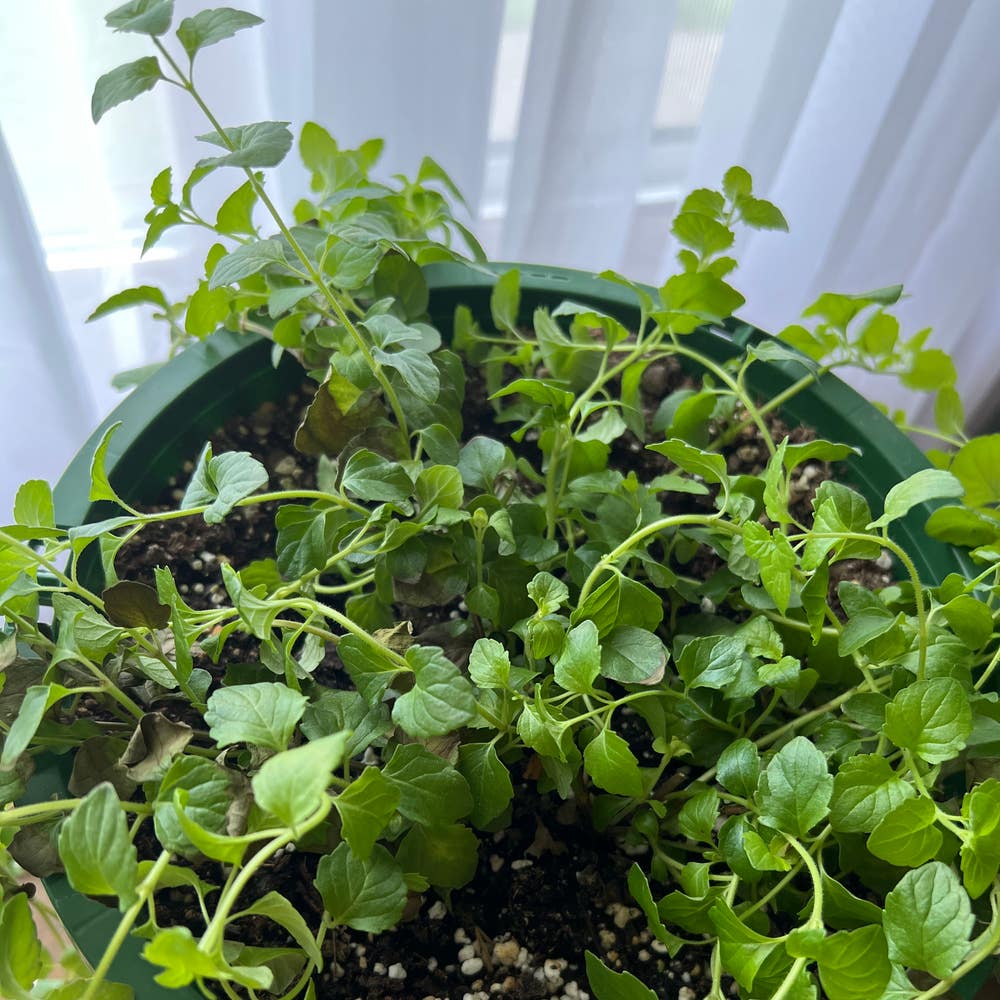
Choosing Fertilizer For My Mexican Mint
Coleus amboinicus
By the Greg Editorial Team
Jun 15, 2024•5 min read
This article was created with the help of AI so we can cover more plants for you. May contain errors. See one? Report it here.
Elevate your garden's charm with the perfect fertilizer mix for a thriving, blooming Mexican Mint. 🌿✨
- Organic vs. Synthetic: Organic enriches soil, synthetic for quick feeding.
- Balanced NPK ratio essential, with focus on P-K for blooms.
- Seasonal fertilizing schedule: Monthly in warm seasons, less in cold.
Picking the Right Fertilizer Mix
💩 Organic vs. Synthetic: What's Best for Your Mexican Mint?
Organic fertilizers are the slow-release friends of your Mexican Mint, nurturing the soil and plant over time. They're like a home-cooked meal, packed with micronutrients that synthetic fertilizers often skip. But patience is key; organics don't rush the growth process.
Synthetic fertilizers, on the flip side, are the fast-food option—quick and targeted. They're great for a rapid nutrient boost, but don't expect them to improve your soil's long-term health. Plus, there's a burn risk if you get heavy-handed.
When it comes to NPK ratios, Mexican Mint isn't picky but does best with a balanced blend. Aim for equal parts nitrogen, phosphorus, and potassium to start, then adjust based on your plant's performance and soil tests.
🌸 Tailoring Fertilizer Choices for Blooming Success
Phosphorus and potassium are the VIPs for those eye-catching blooms. They're like the plant's personal trainers, getting it in top shape for the flowering marathon.
For organic lovers, bone meal and kelp are your go-to's for phosphorus and potassium, respectively. They're nature's way of saying, "Let's get those blooms popping!"
Synthetic aficionados, look for a blend with a higher P-K ratio during the blooming phase. Just remember, more isn't always better—stick to the recommended rates to avoid the dreaded nutrient burn.
In summary, whether you lean organic or synthetic, keep an eye on those NPK numbers and your Mexican Mint will thank you with vibrant growth and blooms to brag about.

Timing is Everything: When to Fertilize
📅 Crafting a Seasonal Fertilization Calendar
Mexican Mint, like any good relationship, thrives with attention and timing.
🌱 Spring into Action
As spring unfurls, so should your fertilizer. This is the growth spurt phase, where monthly feeding aligns with your plant's aspirations to reach for the sun.
☀️ Summer Lovin'
Continue the monthly ritual through summer. Your mint's in full swing, soaking up rays and nutrients alike.
🍂 Fall Back
When autumn leaves start to fall, dial it back. A bimonthly sprinkle of nutrients will do as your plant begins to chill.
❄️ Winter Wisdom
In the winter, it's time for a break. Think of it as your plant's hibernation—a light feeding every other month is plenty.
Fertilizing Do's and Don'ts
Frequency Matters
Overzealous with the fertilizer? Your Mexican Mint might just stage a protest. Stick to the seasonal schedule to avoid a nutrient revolt.
Signs of Excess
Yellowing leaves? Slow growth? Might be a cry for less. Ease up if your mint seems overwhelmed.
Trust Your Instincts
Remember, these are more guidelines than gospel. Keep a keen eye on your plant's performance and adjust your fertilizing frequency accordingly. Your Mexican Mint will thank you—silently, but surely.

Fertilizer Application Techniques
💧 Getting Down to the Roots: Application Methods
When it comes to nourishing your Mexican Mint, you've got two main contenders: top-dressing and liquid drenching. Top-dressing involves sprinkling a granular fertilizer around the base of the plant, a method that's as straightforward as sprinkling salt on your fries. It's a slow-release strategy, ensuring a steady supply of nutrients.
On the flip side, liquid drenching is like giving your mint a nutrient-packed drink. You mix water-soluble fertilizer and douse the soil, aiming for an even spread across the root zone. This method delivers a quick hit of nourishment, perfect for a plant in need of a pick-me-up.
🚫 Avoiding the Burn: Tips for Safe Fertilization
To dodge the dreaded fertilizer burn, start with moist soil. Dry soil and fertilizer are a recipe for disaster, like socks with sandals. Water your mint first, then apply the fertilizer. This pre-watering ritual helps the soil absorb the nutrients more evenly and keeps those roots happy.
Remember, less is often more. Overfeeding is like overindulging in junk food—it can do more harm than good. Stick to the recommended dosage and frequency. If you notice your mint's leaves looking scorched, it's time to ease up on the nutrient nosh.

Dealing with Too Much Love: Over-Fertilization
🚨 Spotting Trouble: Signs Your Plant is Over-Fed
Your Mexican Mint might be sending distress signals if you've been a bit too generous with the fertilizer. Watch for leaf browning at the tips and margins, a classic cry for help. A white, crusty layer of salt on the soil's surface or pot edges is a dead giveaway of excess. Stunted growth or a lack of blossoms can also indicate that your plant is overwhelmed by nutrients. It's like your mint is saying, "I'm full, thanks!"
The Recovery Plan
If you've crossed the line into over-fertilization territory, it's time for some plant first aid. Flush the soil with water to wash away the excess salts—think of it as a detox for your plant's roots. After the flush, give your Mexican Mint a break from fertilizers to recover from the nutrient shock. Remember, when it comes to plant care, sometimes less is more. Hold off on the fertilizer and monitor your plant's recovery, adjusting your care routine as needed.
⚠️ Safety First
This content is for general information and may contain errors, omissions, or outdated details. It is not medical, veterinary advice, or an endorsement of therapeutic claims.
Always consult a qualified healthcare professional before using any plant as food, medicine, or supplement.
Never eat any plant (or feed one to pets) without confirming its identity with at least two trusted sources.
If you suspect poisoning, call Poison Control (800) 222-1222, the Pet Poison Helpline (800) 213-6680, or your local emergency service immediately.
Spotted an error? Please report it here.
Boost your Mexican Mint's blooms with balanced nourishment 🌺 using Greg's custom reminders for optimal fertilizer timing and mix.