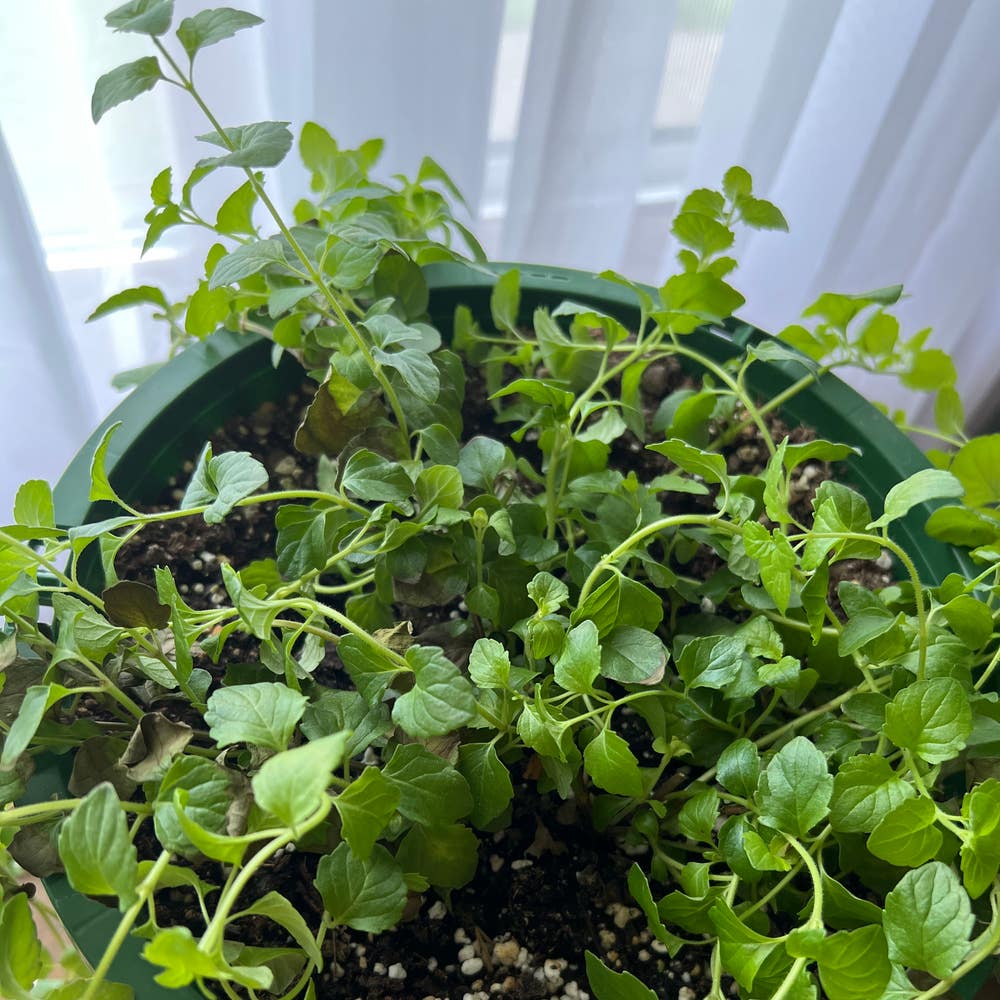
💧 How Much Humidity Does My Mexican Mint Need?
Coleus amboinicus
By the Greg Editorial Team
Jun 15, 2024•3 min read
This article was created with the help of AI so we can cover more plants for you. May contain errors. See one? Report it here.
Nurture your Mexican Mint to lush perfection by dialing in the ideal humidity 🌿💧!
- Hygrometers are key for monitoring Mexican Mint's ideal 40%-60% humidity range.
- Watch for distress signs like crispy tips or drooping to adjust humidity.
- Boost humidity with pebble trays, water features, or plant grouping.
Measuring Up: Tools to Track Humidity
🌡️ Hygrometers and Their Use
Hygrometers are the unsung heroes in the quest for perfect plant humidity. To use one, place it near your Mexican Mint but shield it from the deceptive influences of direct sunlight or drafts. It's like giving your plant a regular check-up without the co-pay. Wait for the device to acclimate before trusting its verdict. For a true sense of your indoor climate, monitor readings throughout the day—humidity can be as fickle as spring weather.
🌍 Understanding Your Local Humidity
Local humidity is the unseen hand that can rock your Mexican Mint's world. It's essential to assess outdoor humidity because it's the starting point for your indoor conditions. Think of it as the backdrop to your plant's one-plant show. If you're serious about your greenery's well-being, compare different rooms in your home. You might find your bathroom is a tropical paradise, while your living room is more desert-like. Adjust accordingly, and watch your Mexican Mint flourish—or at least not throw a fit of leafy despair.

The Sweet Spot: Ideal Humidity for Mexican Mint
⛅️ Relative Humidity Range
Mexican Mint plants flourish in a relative humidity (RH) range that's just right—not too muggy, not too arid. Aim for an RH between 40% and 60%. This zone mirrors the balmy conditions of its native habitat, striking a balance that's neither a sauna nor a desert.
⚠️ Signs of Discontent
Watch for the Mexican Mint's non-verbal cues of humidity distress. Crispy leaf tips or drooping foliage? It's likely pleading for more moisture. On the flip side, leaves with brown spots or a moldy base are screaming to dial down the dampness. Your plant's health hangs in the balance of getting this humidity harmony just right.

Humidity Helpers: Boosting Moisture for Your Mint
💦 Creating a Humidity Haven
Pebble trays are the unsung heroes for your Mexican Mint's humidity needs. Just grab a tray, scatter some pebbles, pour in water, and place your pot atop. The water evaporates, giving your plant a personalized humidity boost. Think of it as a mini spa day, every day, for your mint.
💧 Water features, like a small indoor fountain or even an aquarium, can double as natural humidifiers. Not only do they add a serene vibe to your space, but they also help keep the air moist for your green buddy.
🌿 Plant Buddies
Grouping plants is like throwing a mini greenhouse party—each plant transpires and contributes to a communal pot of moisture. It's a simple trick: the more the merrier, the humidity richer.
Remember, your Mexican Mint isn't a loner; it loves company. So, cluster it with other humidity-loving plants and watch as they create a microclimate of moisture together. Just make sure they're not too crammed—everyone needs a little breathing room.

Too Damp? Dial It Down!
💨 Airflow and Ventilation
In the quest for humidity control, proper air circulation is non-negotiable. Crack a window or employ a fan to introduce a gentle breeze that can prevent the stale, damp conditions Mexican Mint despises. Remember, it's about a gentle flow of air, not a gale-force wind that could stress your plants.
🌬️ Dehumidifying Tactics
When the air feels more like a swamp than a sanctuary for your Mexican Mint, it's time to bring out the dehumidifier. Use this appliance to suck excess moisture from the air, creating a more comfortable environment for your plant. Keep it running consistently to ward off the threats of over-humidity, such as mold or mushy leaves.
⚠️ Safety First
This content is for general information and may contain errors, omissions, or outdated details. It is not medical, veterinary advice, or an endorsement of therapeutic claims.
Always consult a qualified healthcare professional before using any plant as food, medicine, or supplement.
Never eat any plant (or feed one to pets) without confirming its identity with at least two trusted sources.
If you suspect poisoning, call Poison Control (800) 222-1222, the Pet Poison Helpline (800) 213-6680, or your local emergency service immediately.
Spotted an error? Please report it here.
Keep your Mexican Mint in peak humidity 🌿 with Greg's environmental tracking, ensuring it thrives in your unique indoor ecosystem.