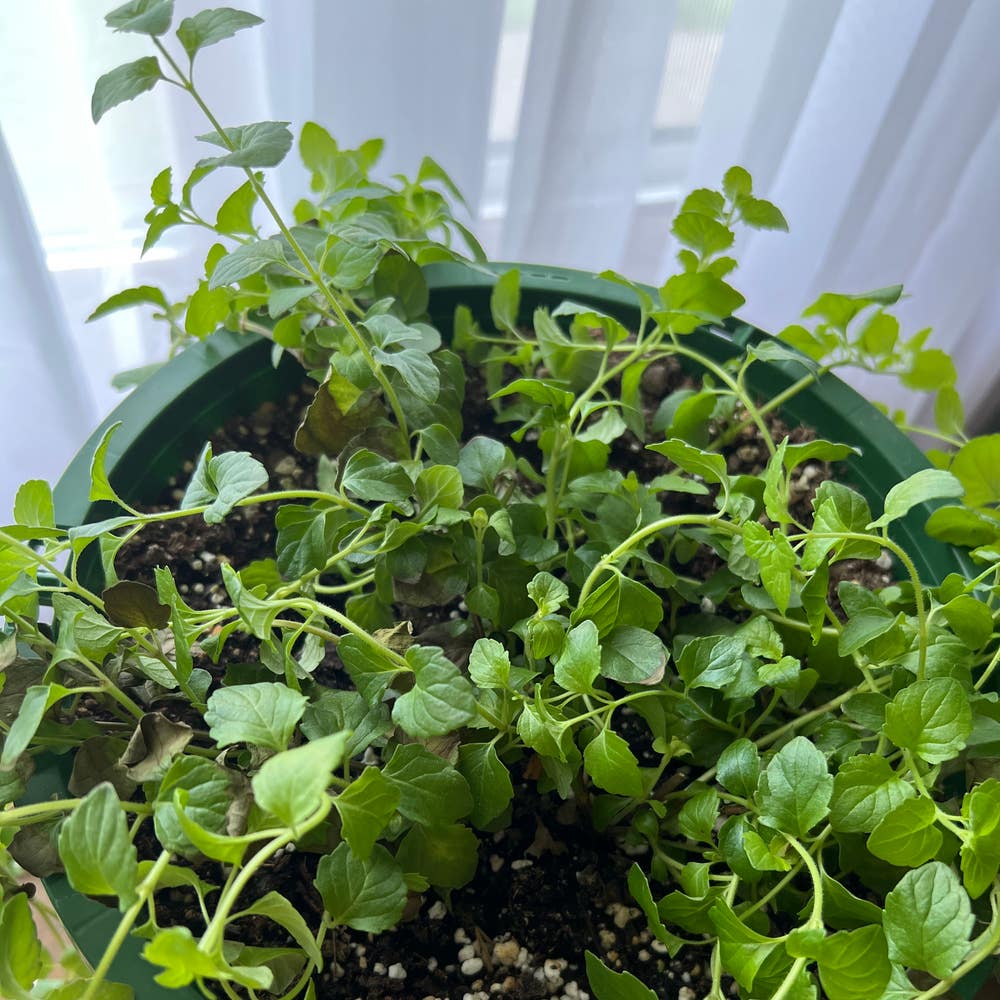
🐛 What To Do About Bugs on My Mexican Mint?
Coleus amboinicus
By the Greg Editorial Team
Jun 15, 2024•3 min read
This article was created with the help of AI so we can cover more plants for you. May contain errors. See one? Report it here.
Defend your Mexican Mint 🌿 from bug invasions with expert tips for spotting and stopping pests! 🐛
- Neem oil and insecticidal soap combat spider mites effectively.
- Prevent pests with dry topsoil, clean leaves, and regular inspections.
- Quarantine new plants to protect your Mexican Mint from invaders.
Spotting the Invaders: Common Pests on Mexican Mint
🕷️ Spider Mites
Webbing and leaf damage are telltale signs of these tiny terrors. To fight back, a one-two punch of neem oil and insecticidal soap should send them packing.
🐞 Scale Insects
Keep an eye out for waxy bumps on stems and leaves. These pests are no match for a good swipe with alcohol swabs or a coat of horticultural oil.
🦟 Fungus Gnats and Fruit Flies
Spot these dark-winged invaders by their love of soil larvae. Trap them with sticky traps and disrupt their life cycle with soil treatments.
🐛 Mealybugs
If you see white, cottony clusters, you've got mealybugs. Show them the door with a dab of alcohol or a spray of neem oil.
🦋 Whiteflies
Tiny, white fluttering insects are a dead giveaway. Combat them with sticky traps or lay down some reflective mulch to send a clear "keep out" signal.

The Prevention Playbook: Keeping Bugs at Bay
In the quest to maintain a pristine Mexican Mint, 🛡️ prevention is your sword and shield. Let's dive into the strategies that keep the creepy-crawlies at bay.
💧 Moisture Management
Overwatering is the root of all evil in the plant world—it's the equivalent of setting out a welcome mat for pests. Water your Mexican Mint only when the top inch of soil feels dry to the touch. This simple act can be the difference between a thriving herb and a bug-infested wasteland.
🧼 Cleanliness is Key
A clean plant is a happy plant. Regularly wiping down leaves not only keeps your Mexican Mint looking sharp but also disrupts any pest parties planning to take place. Think of it as the bouncer keeping the riff-raff out of the club.
👀 Inspection Routine
Make plant inspection a habit, like brushing your teeth but with more leaf-flipping. Catch bugs early and you nip potential infestations in the bud. Quarantine new plants like they're fresh from a journey through the Amazon—it's not personal, it's just good pest control protocol.
🦸♂️ Natural Allies
Don't go at it alone; enlist the help of beneficial predators. Ladybugs and lacewings are like the superheroes of the garden, swooping in to save your Mexican Mint from aphid doom. Encourage these allies by planting companion flowers or avoiding pesticides that harm them.
Remember, an ounce of prevention is worth a pound of cure. By adopting these strategies, you're not just fighting bugs, you're fortifying your Mexican Mint against future invasions.

Quick Inspection Guide: Routine Checks for Healthy Mexican Mint
🕵️ Weekly Walkthrough
Inspect your Mexican Mint weekly to catch pests and diseases early. Look for discoloration, unusual spots, or signs of insect activity. Healthy plants should have vibrant leaves and stems without any blemishes.
🚧 Quarantine Protocol
When introducing new plants, isolate them for at least two weeks. This quarantine period helps prevent the spread of any hidden pests or diseases to your existing plant collection.
🌱 Seasonal Tips
Adjust your care routine with the seasons. In warmer months, Mexican Mint may require more frequent watering and pest vigilance. As temperatures drop, reduce watering and watch for signs of stress or dormancy.

⚠️ Safety First
This content is for general information and may contain errors, omissions, or outdated details. It is not medical, veterinary advice, or an endorsement of therapeutic claims.
Always consult a qualified healthcare professional before using any plant as food, medicine, or supplement.
Never eat any plant (or feed one to pets) without confirming its identity with at least two trusted sources.
If you suspect poisoning, call Poison Control (800) 222-1222, the Pet Poison Helpline (800) 213-6680, or your local emergency service immediately.
Spotted an error? Please report it here.
Keep your Mexican Mint pest-free 🛡️ with Greg's custom care reminders and a community of experts to support you every step of the way.