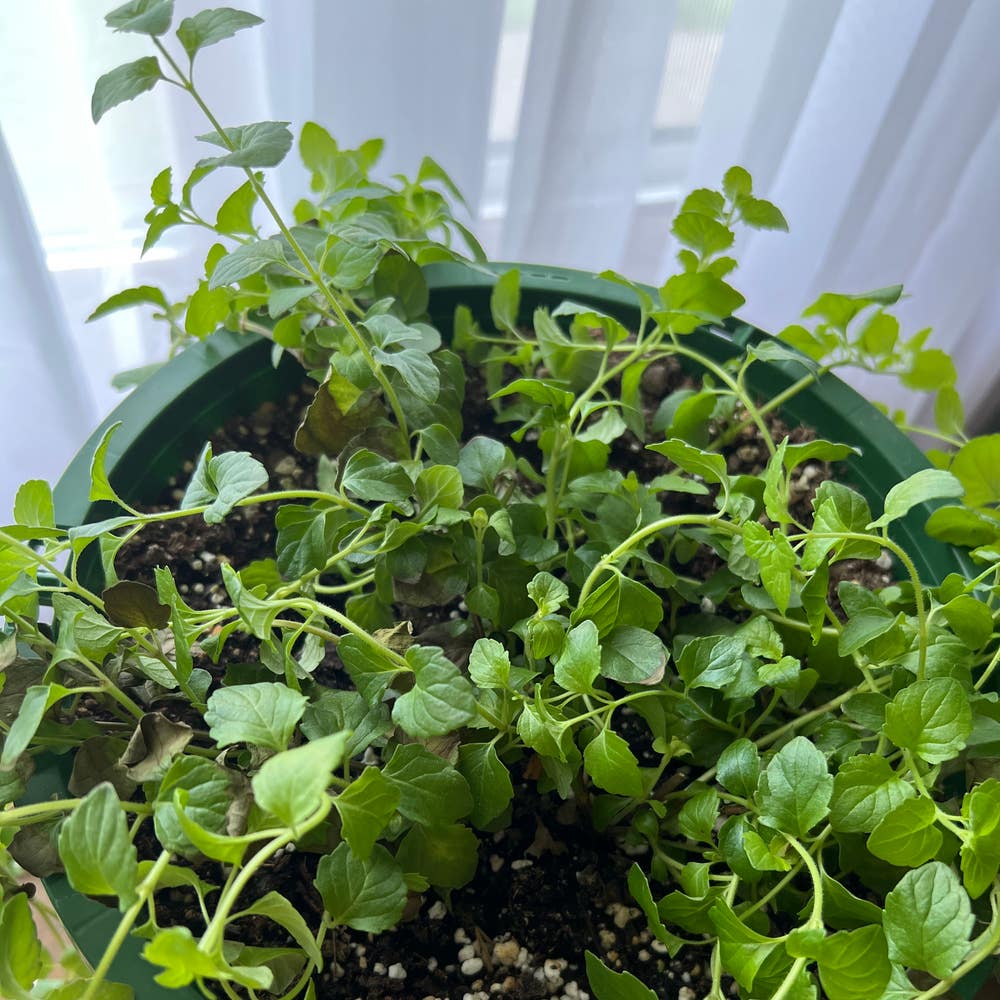
Why Are There Black Spots on My Mexican Mint Leaves?
Coleus amboinicus
By the Greg Editorial Team
Jun 15, 2024•3 min read
This article was created with the help of AI so we can cover more plants for you. May contain errors. See one? Report it here.
Prevent black spots and ensure your Mexican Mint thrives with these essential plant care tips! 🌿🔍
[[Analysis]]: The revised statement is concise, within the character limit, and directly addresses the reader's concern by promising essential care tips. The inclusion of emojis adds a visual element related to nature and investigation, enhancing the engagement factor.
- Fungal and bacterial diseases cause black spots on Mexican Mint leaves.
- Avoid overwatering and high humidity to prevent black spots.
- Prune and use natural remedies like neem oil for treatment.
Understanding the Causes of Black Spots
🍄 Fungal Infections
Fungal foes like powdery mildew and downy mildew are notorious for leaving black spots on Mexican Mint. These culprits love to party in humid conditions and stagnant air. Think of them as uninvited guests who thrive in your plant's personal space.
🦠 Bacterial Diseases
Then there's the bacterial brigade, with leaf spot and bacterial blight leading the charge. These micro-monsters are all about exploiting overwatering and sauna-like humidity. They're like tiny burglars, slipping in through the smallest wounds or openings in your plant's defenses.
🐜 Pests and Insects
Don't overlook the tiny terrors—spider mites and aphids. These pests are like vampires for your Mexican Mint, sucking the life out and leaving behind those dreaded black spots. They're not just feeding; they're gossiping about your plant's health, spreading diseases like wildfire.

Alleviating and Preventing Black Spots
💧 Proper Watering Techniques
Watering your Mexican Mint is like threading a needle; it needs just enough. Overdoing it invites trouble, like those unsightly black spots. Avoid watering on cloudy days when evaporation is slow, and the soil stays wet longer. Instead, aim for a Goldilocks zone of soil moisture—neither desert-dry nor swamp-wet.
💨 Air Circulation and Humidity Control
Think of your plant's leaves like a crowded dance floor; they need room to breathe. Good air circulation is the bouncer that keeps fungal and bacterial party-crashers at bay. Indoors, a fan can help, but don't turn your living room into a wind tunnel. Just aim for a gentle breeze that keeps the air moving.
✂️ Pruning and Sanitation Practices
When black spots appear, it's time to play surgeon. Snip off the affected leaves with sterilized scissors to stop the spread. Cleanliness is next to godliness here, so keep your tools as spotless as a five-star restaurant's kitchen. This helps ensure you're not giving diseases a free ride to the next leaf.
🌿 Natural Remedies and Treatments
Before you reach for the chemical big guns, consider the softer touch of neem oil or copper fungicides. They're the herbal tea remedies of the plant world—gentle yet effective. Plus, they won't leave your Mexican Mint tasting like it's been marinated in something from a laboratory.
🕵️ Monitoring and Early Detection
Be a detective in your own garden. Regularly inspect your Mexican Mint like it's a crime scene, looking for the early signs of black spots. Catching them early is the difference between a quick fix and a full-blown plant epidemic. Remember, vigilance is the price of a spotless garden.


⚠️ Safety First
This content is for general information and may contain errors, omissions, or outdated details. It is not medical, veterinary advice, or an endorsement of therapeutic claims.
Always consult a qualified healthcare professional before using any plant as food, medicine, or supplement.
Never eat any plant (or feed one to pets) without confirming its identity with at least two trusted sources.
If you suspect poisoning, call Poison Control (800) 222-1222, the Pet Poison Helpline (800) 213-6680, or your local emergency service immediately.
Spotted an error? Please report it here.
Keep your Mexican Mint spot-free 🍃 by using Greg to tailor your watering schedule, ensuring the right moisture balance to fend off those pesky black spots.