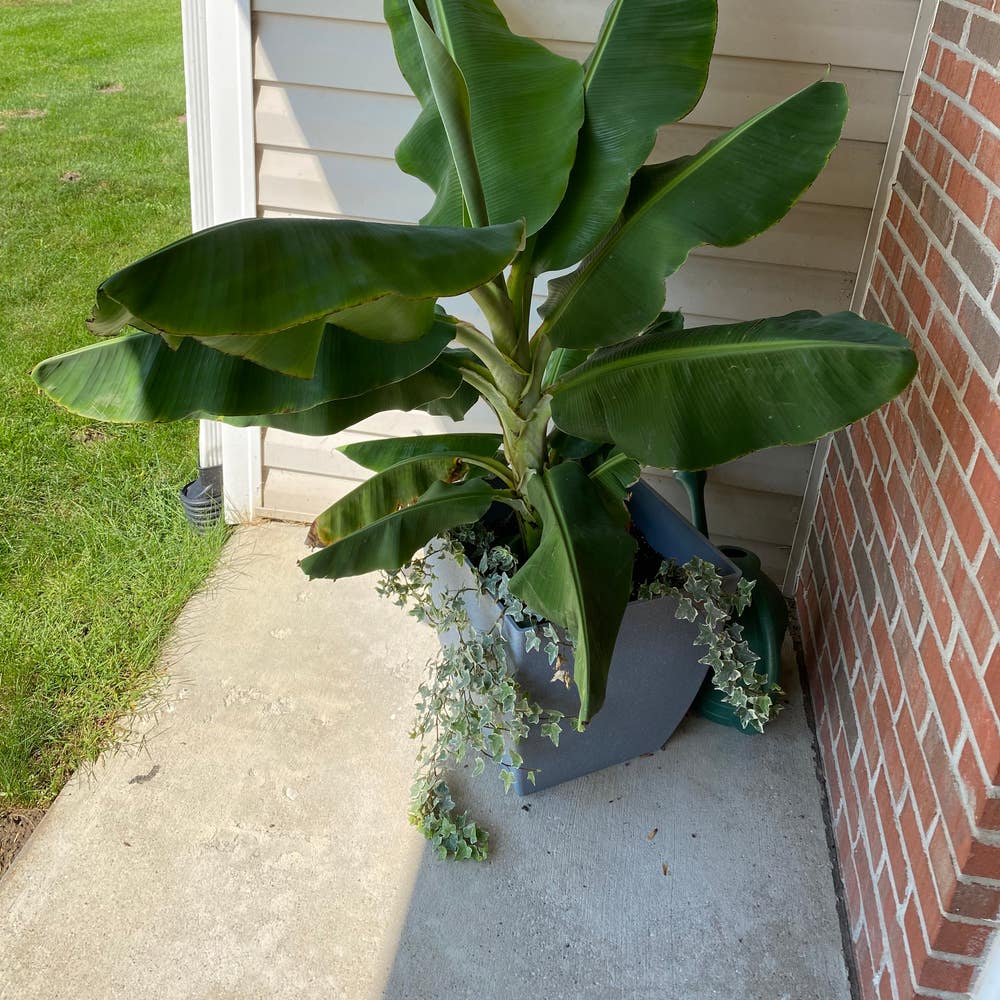
🍌 How to Fix Your Abyssinian Banana Wilting
Ensete ventricosum
By the Greg Editorial Team
Oct 09, 2024•6 min read
This article was created with the help of AI so we can cover more plants for you. May contain errors. See one? Report it here.
Revive your wilting Abyssinian banana 🌱 with simple care tips to keep it thriving and vibrant!
- 🌊 Wilting in Abyssinian bananas stems from water stress, heat, or diseases.
- 🌡️ Heat stress causes curling leaves; relocate to shade and boost humidity for relief.
- 🌱 Regularly check soil moisture to prevent overwatering or underwatering issues.
Causes of Wilting in Abyssinian Banana
🌊 Common Causes
Water Stress
Water stress is a primary culprit behind wilting in Abyssinian bananas.
Overwatering can lead to yellowing leaves and root rot. If the soil feels soggy, it’s a sign you might be giving your plant too much love.
Underwatering manifests as drooping leaves and dry soil. If your plant looks sad and parched, it’s time to step up your watering game.
Heat Stress
Heat stress can also take a toll on your banana plant.
Symptoms include leaves curling or browning at the edges, often due to excessive heat.
Environmental factors like high temperatures and direct sunlight exposure can exacerbate this issue. If your plant is in a sun-soaked spot, consider giving it a break from the heat.
🌱 Uncommon Causes
Pathogenic Wilt
While rare, pathogenic wilt can affect Abyssinian bananas.
It’s crucial to rule out diseases if you notice persistent wilting. Understanding this uncommon cause can help you take the right steps to revive your plant.
By identifying these causes, you can better diagnose and address the wilting issue. Next, let’s explore how to effectively diagnose the problem.
Diagnosing Wilting
Step-by-Step Guide 🌱
Assess Soil Moisture Levels
Start by checking the soil. Is it dry or soggy? This simple step can reveal a lot about your plant's health.Observe Environmental Conditions
Take a moment to evaluate the temperature and humidity. These factors play a crucial role in your Abyssinian Banana's well-being.Inspect Leaves for Specific Symptoms
Look closely at the leaves. Are they yellowing, browning, or curling? These signs can indicate underlying issues.Evaluate Watering Schedule
Reflect on how often and how much you water. Adjusting your routine might be necessary to keep your plant thriving.
Signs of Water Stress 💧
Symptoms of Overwatering: Watch for root rot, mushy roots, and yellowing leaves. These are clear indicators that your plant is drowning.
Symptoms of Underwatering: Look for dry soil, wilting leaves, and crispy edges. Your plant might be parched and in need of hydration.
Indicators of Heat Stress 🔥
- Signs: Keep an eye out for leaf curling, browning edges, and drooping leaves. These symptoms suggest your plant is struggling with excessive heat.
By diagnosing these issues early, you can take proactive steps to revive your Abyssinian Banana. Next, let’s explore actionable solutions to address these wilting concerns.
Solutions for Wilting
🌊 Actionable Advice for Water Stress
For Overwatering:
If your Abyssinian Banana is suffering from overwatering, the first step is to allow the soil to dry out completely before watering again. This helps prevent root rot, which can be detrimental to your plant's health.
Consider repotting your banana in well-draining soil to improve drainage. This simple change can make a significant difference in preventing future overwatering issues.
For Underwatering:
On the flip side, if underwatering is the culprit, increase your watering frequency. Aim for consistent moisture, ensuring the soil is neither too dry nor too soggy.
☀️ Solutions for Heat Stress
Relocating the Plant:
If heat stress is affecting your plant, try relocating it to a shadier area during peak sunlight hours. This can help prevent leaf curling and browning.
Increasing Humidity:
Boosting humidity around your Abyssinian Banana can also alleviate heat stress. Use a humidifier or a pebble tray filled with water to create a more favorable environment.
🦠 Addressing Disease-Related Wilting
Consulting Experts:
If you suspect disease is the cause of wilting, consult a local nursery for a proper diagnosis. They can provide tailored advice to help your plant recover.
Improving Air Circulation:
Remove any affected leaves to promote better air circulation around the plant. This can help prevent the spread of disease and improve overall health.
By addressing these common issues, you can help your Abyssinian Banana thrive and prevent future wilting. Next, let's explore preventive measures to keep your plant healthy and vibrant.
Preventive Measures
Tips to Minimize Future Wilting 🌱
To keep your Abyssinian Banana thriving, regularly check the soil moisture. Adjust your watering schedule based on whether the soil feels dry or soggy.
Monitoring environmental conditions is crucial to prevent heat stress. A little attention can go a long way in maintaining your plant's health.
Using mulch is another effective strategy. It helps retain soil moisture and regulates temperature, creating a more stable environment for your plant.
Environmental Adjustments 🌡️
Aim for an ideal temperature range of 20°C to 30°C (68°F to 86°F). This range supports optimal growth and minimizes stress on your plant.
Additionally, maintaining humidity levels above 50% is essential. A humid environment encourages healthy growth and helps prevent wilting.
By implementing these preventive measures, you can create a nurturing space for your Abyssinian Banana. This proactive approach will not only enhance its resilience but also enrich your gardening experience.
Next, let’s explore effective techniques for reviving a wilted plant.
Reviving a Wilted Plant
🌊 Techniques for Bottom Watering
To revive your wilting Abyssinian banana, try bottom watering. Simply place the pot in a shallow tray of water for about 30 minutes.
This method encourages deep root growth and helps prevent overwatering, ensuring your plant gets the moisture it needs without drowning.
🏡 Relocating the Plant
Next, consider relocating your plant. Find a spot with indirect sunlight and stable temperatures to help it recover.
Make sure to gradually acclimate the plant to its new environment to avoid shock, allowing it to adjust comfortably.
✂️ Pruning Damaged Leaves
Pruning can also be beneficial. Use clean, sharp pruning shears to remove any wilted or damaged leaves.
Timing is key—prune during the growing season for the best chance of recovery. This not only improves the plant's appearance but also redirects energy to healthier growth.
Reviving a wilted plant requires a combination of proper watering techniques, strategic relocation, and careful pruning. With these steps, your Abyssinian banana can bounce back and thrive once again. Next, let’s explore when it’s time to seek help for your plant.
When to Seek Help
🆘 Signs Indicating Need for Expert Assistance
Sometimes, despite your best efforts, your Abyssinian banana may still struggle. If you notice persistent wilting even after adjusting care routines, it’s time to consider seeking help.
Look out for signs of disease or pest infestation. Yellow spots, webbing, or unusual growths can indicate underlying issues that require professional attention.
If you've followed all care guidelines and still see no improvement, don’t hesitate to reach out for assistance. Sometimes, a fresh perspective can make all the difference.
📚 Resources
Consulting local experts can provide tailored advice specific to your plant's needs. They can help diagnose issues that may not be obvious to the untrained eye.
Engaging with the Greg plant care community is another fantastic resource. Sharing experiences and tips with fellow plant enthusiasts can offer new insights and support as you navigate your plant care journey.
Remember, seeking help is a proactive step in ensuring your Abyssinian banana thrives. Don’t hesitate to reach out!
⚠️ Safety First
This content is for general information and may contain errors, omissions, or outdated details. It is not medical, veterinary advice, or an endorsement of therapeutic claims.
Always consult a qualified healthcare professional before using any plant as food, medicine, or supplement.
Never eat any plant (or feed one to pets) without confirming its identity with at least two trusted sources.
If you suspect poisoning, call Poison Control (800) 222-1222, the Pet Poison Helpline (800) 213-6680, or your local emergency service immediately.
Spotted an error? Please report it here.
Keep your Abyssinian banana thriving 🌿 by using Greg's tailored watering reminders and community insights to tackle wilting and ensure optimal growth!