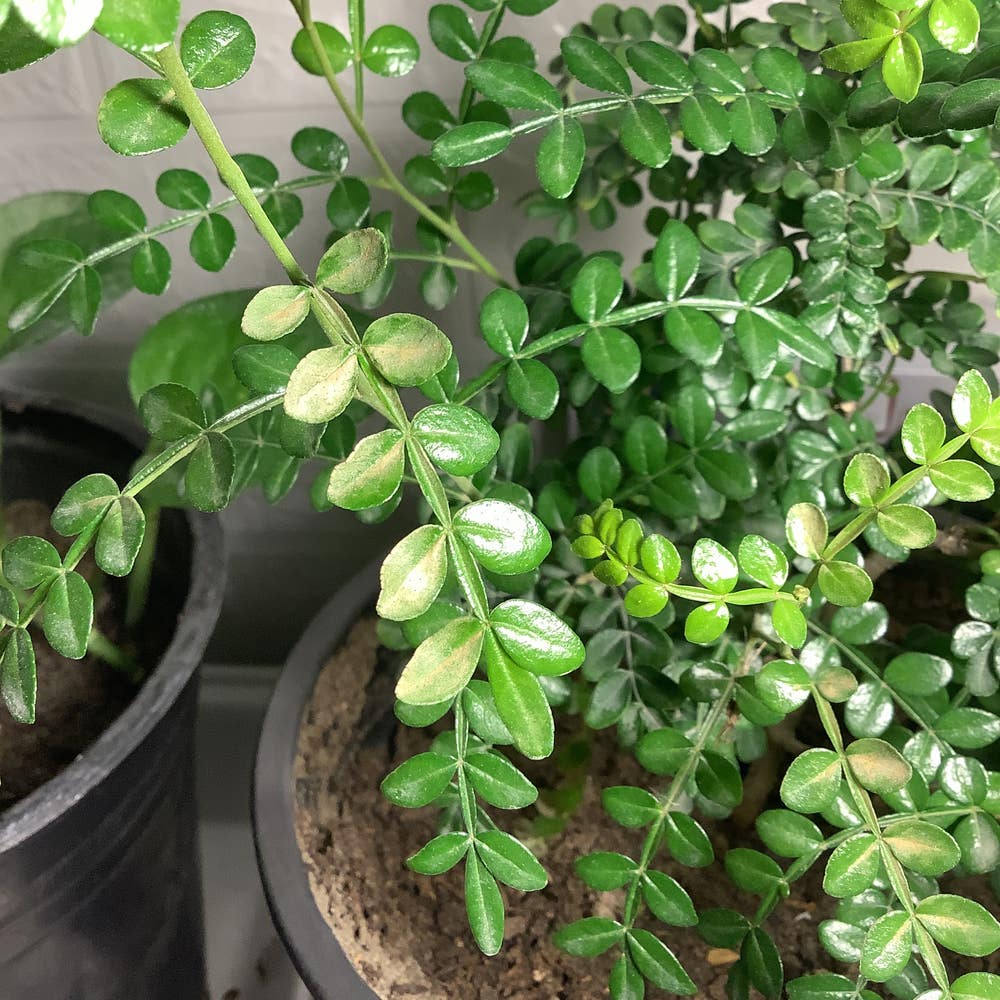
❄️ 3 Winter Care Mistakes to Avoid with Wild Lime
Zanthoxylum fagara
By the Greg Editorial Team
Sep 30, 2024•6 min read
This article was created with the help of AI so we can cover more plants for you. May contain errors. See one? Report it here.
- 🌿 Wild Lime needs consistent moisture even during its winter dormancy for optimal health.
- ❄️ Protect from frost using cloths and strategic positioning to minimize damage.
- 🌱 Monitor for pests regularly to maintain Wild Lime's health throughout the winter months.
Evergreen Characteristics and Care Implications
🌿 Evergreen Traits and Their Care Needs
Wild Lime is a resilient evergreen, retaining its aromatic foliage throughout winter. This unique characteristic not only adds beauty to your garden but also requires specific care to keep the plant thriving.
Consistent moisture is crucial, even during dormancy. While Wild Lime may not be actively growing, it still needs water to maintain its health and vitality.
🐛 Monitoring for Pests and Diseases
Despite its hardiness, Wild Lime is not immune to pests and diseases. Regular monitoring is essential to catch any issues early, ensuring your plant remains robust through the colder months.
By staying vigilant, you can prevent potential infestations and keep your Wild Lime looking its best. This proactive approach will set the stage for a vibrant spring revival.
Frost Protection Strategies
🌨️ Methods to Protect from Frost
Frost can be a sneaky adversary for your Wild Lime. Using physical barriers is one of the most effective ways to shield your plants.
Frost Cloths: How to Use and When to Apply
Frost cloths are lightweight and breathable, allowing moisture and light to penetrate while providing insulation. Apply them in the evening before a frost is expected, and remove them in the morning once temperatures rise.
Mulching: Types of Mulch and Application Techniques
Mulching is another great strategy. Organic mulches like straw or wood chips can help retain soil warmth and moisture. Apply a layer about 2-4 inches thick around the base of your plants, ensuring it doesn’t touch the stems to prevent rot.
🏠 Structural Protection
For more vulnerable plants, structural protection can be a game changer.
Using Cold Frames or Greenhouses for Sensitive Plants
Cold frames and greenhouses create a controlled environment, keeping temperatures stable. If you have sensitive Wild Lime, consider investing in one of these structures to provide year-round protection.
Positioning Plants in Sheltered Areas to Minimize Frost Exposure
Placement matters! Position your plants near walls or fences that can block cold winds. This simple adjustment can significantly reduce frost exposure.
🌍 Importance of Microclimates
Understanding microclimates in your garden can elevate your frost protection strategy.
Identifying and Utilizing Microclimates in Your Garden
Microclimates are small areas with different climate conditions than the surrounding area. For instance, south-facing walls absorb heat during the day, creating a warmer spot for your Wild Lime.
Planting Near Larger Structures for Wind Protection
Larger structures can act as windbreaks, reducing the chill factor. Planting your Wild Lime near these structures can help create a more favorable environment.
🌱 Strategies for Creating Favorable Microclimates
Creating your own microclimates can be a fun and rewarding project.
- Use Reflective Surfaces: Incorporate materials that reflect sunlight, such as light-colored stones or walls.
- Group Plants: Cluster plants together to create a warmer microenvironment.
- Add Windbreaks: Use hedges or fences to shield your plants from harsh winds.
By implementing these strategies, you can significantly enhance the resilience of your Wild Lime against frost. With the right care, your plants will thrive even in the coldest months.
Next, let’s explore how to adjust watering and fertilizing schedules for optimal winter care.
Watering and Fertilizing Adjustments
🌊 Adjusting Watering Schedules
During winter dormancy, it's crucial to reduce your watering frequency. Overwatering can lead to yellowing leaves and root rot, which are signs your Wild Lime is struggling.
Aim to water every 2-4 weeks, depending on your climate. To ensure your plant is getting just the right amount of moisture, regularly check the soil moisture levels using your finger or a moisture meter.
🧪 Fertilizing: Timing and Dosage
When it comes to fertilizing, the best practice is to avoid it during dormancy. Your Wild Lime doesn’t need extra nutrients while it’s resting.
If you feel it’s necessary to fertilize, stick to half the regular dosage. This approach helps maintain plant health without overwhelming it during the winter months.
With these adjustments, your Wild Lime will be well-prepared to thrive when spring arrives. Next, let’s explore the best practices for indoor winter care to ensure your plant continues to flourish.
Indoor Winter Care
Best Practices for Indoor Transition 🌱
Timing is crucial when bringing your Wild Lime indoors. Ideally, you should transition your plant before the first frost hits, usually in late fall.
Preparing your Wild Lime for indoor conditions is essential. Gradual acclimatization helps prevent shock; start by moving it to a shaded area for a few days before bringing it inside.
Always inspect for pests before the indoor move. This proactive step ensures you don’t introduce unwanted guests into your home.
Light and Humidity Requirements 💡
Wild Lime thrives in bright, indirect light. Position it near a window that gets plenty of natural light but avoid direct sunlight to prevent leaf burn.
If natural light is insufficient, consider supplemental lighting options. Grow lights can provide the necessary brightness to keep your plant healthy.
Humidity is another key factor for indoor care. Wild Lime prefers a humid environment, so using humidifiers or pebble trays can help maintain adequate moisture levels.
Monitoring humidity levels is vital for your plant's health. Tools like hygrometers can help you keep track and ensure your Wild Lime stays happy and thriving.
Transitioning your Wild Lime indoors doesn’t have to be daunting. With the right care, your plant will flourish even in the colder months, setting the stage for a vibrant spring.
Spring Preparation and Recovery
🌨️ Signs of Winter Damage
As winter fades, it's crucial to assess your Wild Lime for signs of stress. Look for leaf drop, discoloration, and stunted growth—these are clear indicators that your plant may have suffered during the colder months.
Additionally, check for frostbite on stems and branches. This damage can hinder new growth, so early detection is key to a successful recovery.
🌱 Recovery Steps for Spring Growth
Once you've identified any winter damage, it's time to take action. Start by pruning damaged areas; this helps redirect energy to healthier parts of the plant. Use clean, sharp pruning shears to make precise cuts, promoting new growth effectively.
Next, reintroduce your regular watering and fertilization schedules. Begin with a gentle approach, monitoring your plant's health as it transitions out of dormancy. This gradual reintroduction will help your Wild Lime thrive as it welcomes the warmth of spring.
By staying vigilant and proactive, you can ensure your Wild Lime emerges from winter ready to flourish. Now, let’s explore how to adjust your care routine for the upcoming growing season.
⚠️ Safety First
This content is for general information and may contain errors, omissions, or outdated details. It is not medical, veterinary advice, or an endorsement of therapeutic claims.
Always consult a qualified healthcare professional before using any plant as food, medicine, or supplement.
Never eat any plant (or feed one to pets) without confirming its identity with at least two trusted sources.
If you suspect poisoning, call Poison Control (800) 222-1222, the Pet Poison Helpline (800) 213-6680, or your local emergency service immediately.
Spotted an error? Please report it here.
Keep your Wild Lime thriving this winter ❄️ by using Greg's tailored care reminders to ensure consistent moisture and frost protection, so it bursts back to life in spring!