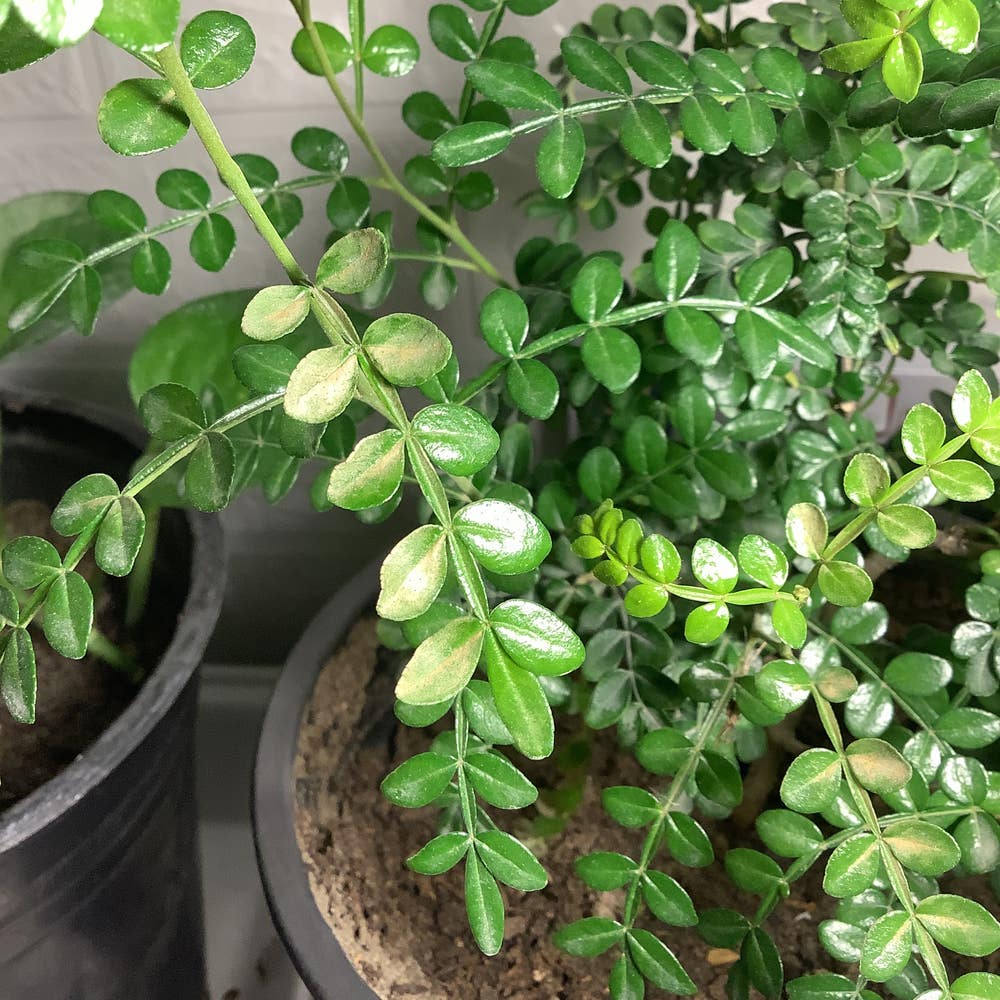
Where Can Wild Lime Grow? Zones 9a-11b 🍋
Zanthoxylum fagara
By the Greg Editorial Team
Sep 30, 2024•5 min read
This article was created with the help of AI so we can cover more plants for you. May contain errors. See one? Report it here.
- 🌡️ Wild Lime thrives in USDA zones 9a-11b, ideal for warmer climates.
- ❄️ Young plants are frost-sensitive, tolerating cold down to 20°F (-6°C).
- 🌞 Optimal regions include Florida, Texas, and California, benefiting from heat and humidity.
Temperature Tolerance
❄️ Cold Tolerance
Wild Lime can withstand temperatures as low as 20°F (-6°C). Understanding the first and last frost dates in your area is crucial for successful cultivation.
☀️ Heat Tolerance
On the flip side, Wild Lime thrives in heat, tolerating temperatures up to 100°F (38°C). However, prolonged exposure to extreme heat can impact its growth and flowering.
🌡️ Impact of Temperature Extremes on Growth
Cold snaps can be detrimental, potentially damaging or even killing young Wild Lime plants. Excessive heat, on the other hand, can hinder fruit production and reduce overall plant vigor.
Understanding these temperature tolerances is essential for anyone looking to cultivate Wild Lime successfully. With the right conditions, you can enjoy the unique flavors and benefits this plant has to offer.
Ideal Growing Regions
Examples of US States in Suitable Zones 🌎
Wild Lime thrives in several states across the U.S., particularly in Florida, Texas, California, Arizona, and Louisiana. Each of these states offers unique regions that provide the ideal conditions for this vibrant plant.
In Florida, the southern parts, especially around Miami, boast the warm, humid climate that Wild Lime loves. Texas has areas like the Gulf Coast, where the combination of heat and moisture creates a perfect environment. California's southern regions, particularly near Los Angeles, also support Wild Lime growth, thanks to its Mediterranean climate. Arizona, especially in the southern desert areas, can be surprisingly suitable, while Louisiana's bayous provide the humidity and warmth that Wild Lime craves.
Factors Contributing to Ideal Growing Conditions 🌱
Wild Lime prefers warm, humid climates that closely resemble its native habitat. These conditions are crucial for its growth and fruit production.
Soil plays a significant role too. Wild Lime thrives in well-drained, sandy soils that retain moisture without becoming waterlogged. This balance is essential to prevent root rot and ensure healthy growth.
Comparison of Different Regions 🌍
Climate conditions can vary significantly across these states. Coastal areas often enjoy milder temperatures and higher humidity, while inland regions may experience more extreme heat or cold.
Local weather patterns also influence growth. For instance, coastal breezes can moderate temperatures, benefiting Wild Lime, while inland areas might face temperature spikes that could stress the plant. Understanding these nuances can help gardeners choose the best locations for planting Wild Lime.
As we explore the next section, we'll delve into how microclimates can further enhance the growing potential of Wild Lime, even in less-than-ideal conditions.
Microclimates and Their Impact
🌍 Definition and Importance
Microclimates are localized climate variations that exist within a broader climate zone. These small-scale environments can significantly influence plant growth, including Wild Lime.
Factors that create microclimates include elevation, proximity to water, and urban heat islands. For instance, areas near lakes or rivers often have milder temperatures and higher humidity, which can be beneficial for plant health.
🌱 Extending Growing Range
Microclimates can enable the successful growth of Wild Lime outside its typical hardiness zones. By taking advantage of these localized conditions, gardeners can cultivate Wild Lime in areas that might otherwise be unsuitable.
Specific examples of microclimates that benefit Wild Lime cultivation include sheltered valleys or south-facing slopes. These areas often experience warmer temperatures and reduced frost risk, making them ideal for this tropical plant.
Understanding microclimates can open up new possibilities for growing Wild Lime, allowing enthusiasts to explore its cultivation in diverse environments. This knowledge not only enhances gardening success but also fosters a deeper connection with the local ecosystem.
As we delve deeper into state-level suitability, consider how these unique microclimates can influence your gardening choices and expand your growing horizons.
State-Level Suitability Analysis
🌞 Suitable US States
Wild Lime thrives in several states, notably Florida, Texas, California, Arizona, and Louisiana. These regions offer warm climates and well-drained, sandy soils, creating ideal conditions for growth.
In Florida, the humid subtropical climate provides consistent warmth, while Texas boasts diverse environments that cater to Wild Lime's needs. California's Mediterranean climate, with its dry summers and mild winters, also supports healthy growth. Arizona's desert regions, particularly in the southern parts, offer the heat and soil conditions that Wild Lime loves. Louisiana's warm, humid environment further enhances its suitability.
🚫 Unsuitable US States
On the flip side, states like North Dakota, Montana, and Maine are not conducive to Wild Lime cultivation. These areas face colder temperatures and shorter growing seasons, which can hinder the plant's development.
Frost risks are significant in these states, making it challenging for Wild Lime to survive. The harsh winters and limited warm periods simply don't align with the plant's requirements.
🌡️ Climate Factors Affecting Suitability
When considering Wild Lime's adaptability, temperature ranges and frost dates are crucial. Ideal growing conditions typically feature mild winters and warm summers, allowing for extended growth periods.
Local climate variations can also play a significant role. For instance, coastal areas may experience milder temperatures compared to inland regions, affecting how well Wild Lime can thrive. Understanding these nuances can help gardeners select the best locations for successful cultivation.
As we explore the next section, we'll delve into the fascinating world of microclimates and how they can extend the growing range of Wild Lime.
⚠️ Safety First
This content is for general information and may contain errors, omissions, or outdated details. It is not medical, veterinary advice, or an endorsement of therapeutic claims.
Always consult a qualified healthcare professional before using any plant as food, medicine, or supplement.
Never eat any plant (or feed one to pets) without confirming its identity with at least two trusted sources.
If you suspect poisoning, call Poison Control (800) 222-1222, the Pet Poison Helpline (800) 213-6680, or your local emergency service immediately.
Spotted an error? Please report it here.
Grow your Wild Lime like a pro 🌱 by using Greg's tailored care tips and reminders to navigate local climates and ensure your plant thrives in USDA zones 9a to 11b!