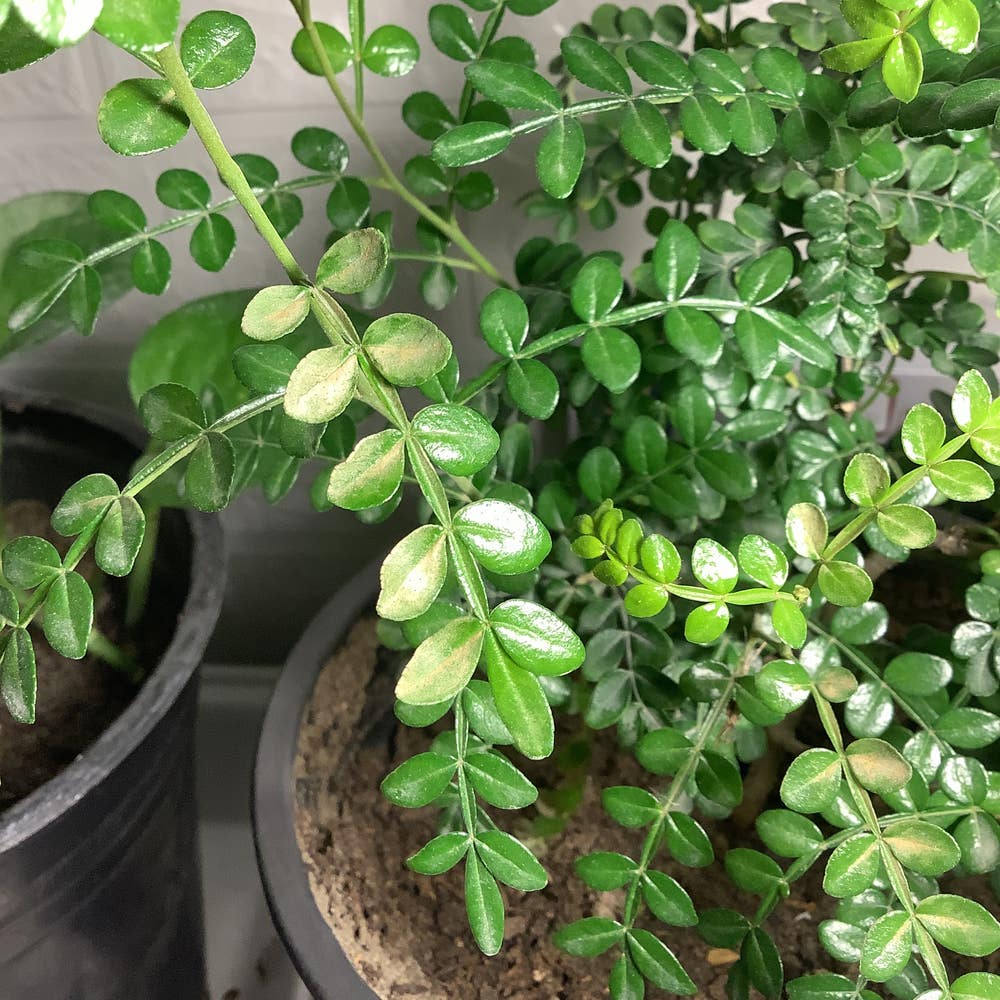
Why Are My Wild Lime Leaves Dropping? 🍋
Zanthoxylum fagara
By the Greg Editorial Team
Jun 18, 2024•4 min read
This article was created with the help of AI so we can cover more plants for you. May contain errors. See one? Report it here.
- 🌡️ Stable temperatures prevent Wild Lime leaf drop.
- 💧 Proper watering and soil are key to leaf retention.
- 🐛 Regular pest inspections protect leaves from damage.
When Environmental Stress Knocks on Your Door
🌡️ Temperature Tantrums
Wild Lime trees are sensitive to temperature extremes. Heat waves or cold snaps can cause leaves to drop as the tree tries to conserve resources. To prevent this, maintain a stable temperature around your Wild Lime, avoiding places that fluctuate wildly, like near heating vents or drafty windows.
🌞 Light: Finding the Sweet Spot
Light levels are crucial for your Wild Lime's well-being. Too much direct sunlight can scorch leaves, while too little can weaken the plant. Aim for bright, indirect light to keep your Wild Lime's leaves healthy and attached. If moving the plant to a new light environment, do it gradually to prevent shock and leaf drop.

Water Woes: Striking the Right Balance
🌊 The Perils of Drowning and Drought
Overwatering is like giving your Wild Lime an unwanted bath, leading to suffocated roots and leaf drop. Underwatering, on the other hand, turns leaves into crispy critters. It's about finding that moisture sweet spot.
💧 Soil Moisture Mastery
Check the soil before watering—stick your finger in; if it's damp, hold off. If it's dry, it's time for a drink. Don't be a calendar slave; adapt to your plant's needs and the changing environment.
- Well-draining soil is your ally in preventing waterlogged roots. Consider a switch if you're constantly battling soggy soil.
- Yellow leaves wave the flag of overwatering, while dry, pulling-away soil screams for hydration.
- Water thoroughly but ensure excess can escape. No one wants a root pool party.
- Seasonal shifts matter. Water less in winter, more in summer—your plant's thirst changes with the weather.
- Mulching can help regulate soil moisture, keeping it just right without going overboard.
Remember, a thirsty Wild Lime is preferable to a drowned one. Keep it quenched, not quashed.

Feeding Frenzy: Nutrients and Your Wild Lime
🍽️ Spotting the Signs of Starvation
Yellow leaves might be crying out for nitrogen. Stunted growth and a general lack of vigor are your Wild Lime's way of saying it's hungry. Nutrient deficiencies are not just about yellowing; they can also show up as leaves that drop faster than hot potatoes.
🥗 Crafting the Perfect Diet
A balanced N-P-K ratio is like hitting the jackpot for your Wild Lime. Don't just throw fertilizer at the problem—think of it as a tailored diet plan. Seasonal feeding is key; your plant doesn't need a Thanksgiving feast every week. If you're unsure, a soil test is like getting a sneak peek into your plant's pantry. It'll show you what's missing.
Remember, overfeeding is like binge-watching TV shows—it can lead to regret. Stick to the recommended amounts to avoid nutrient burn. If you've gone overboard, consider flushing the soil to clear out the excess. For specific deficiencies, targeted supplements can be a lifesaver. Keep an eye out for improvement: new growth and greener leaves are your plant's way of saying "thanks."
Bug Battles: Keeping Pests at Bay
🐜 Unwanted Guests and Their Impact
Pests are silent invaders of your Wild Lime, often triggering leaf drop before you even notice their presence. Mites, for example, are tiny but mighty foes, causing stippling damage that can lead to leaf loss. They prefer to attack trees under stress, making a healthy Wild Lime your first line of defense.
Inspect the undersides of leaves for clusters of pests or telltale webbing. Isolate infested plants to prevent the spread to healthy ones. If you spot trouble, insecticidal soaps or neem oil can be your go-to remedies, targeting the pests without harsh chemicals.
🌿 Fortifying Your Foliage
To protect your Wild Lime, adopt an integrated approach. This means combining regular monitoring with cultural practices like proper watering and pruning. Introduce natural predators such as ladybugs for aphids or predatory mites for spider mites. These beneficial insects are like your personal pest control army.
For persistent problems, horticultural oils can help control heavy infestations. Remember to keep the air moving around your plants and avoid wet foliage to deter fungal pests. Vigilance is key—regular inspections can catch issues before they escalate. Keep your Wild Lime robust, and it'll be less of a target for those pesky leaf-dropping critters.
⚠️ Safety First
This content is for general information and may contain errors, omissions, or outdated details. It is not medical, veterinary advice, or an endorsement of therapeutic claims.
Always consult a qualified healthcare professional before using any plant as food, medicine, or supplement.
Never eat any plant (or feed one to pets) without confirming its identity with at least two trusted sources.
If you suspect poisoning, call Poison Control (800) 222-1222, the Pet Poison Helpline (800) 213-6680, or your local emergency service immediately.
Spotted an error? Please report it here.
Ensure your Wild Lime tree thrives with stable, happy leaves 🍃 by using Greg to effortlessly balance watering and nutrients, avoiding common pitfalls.