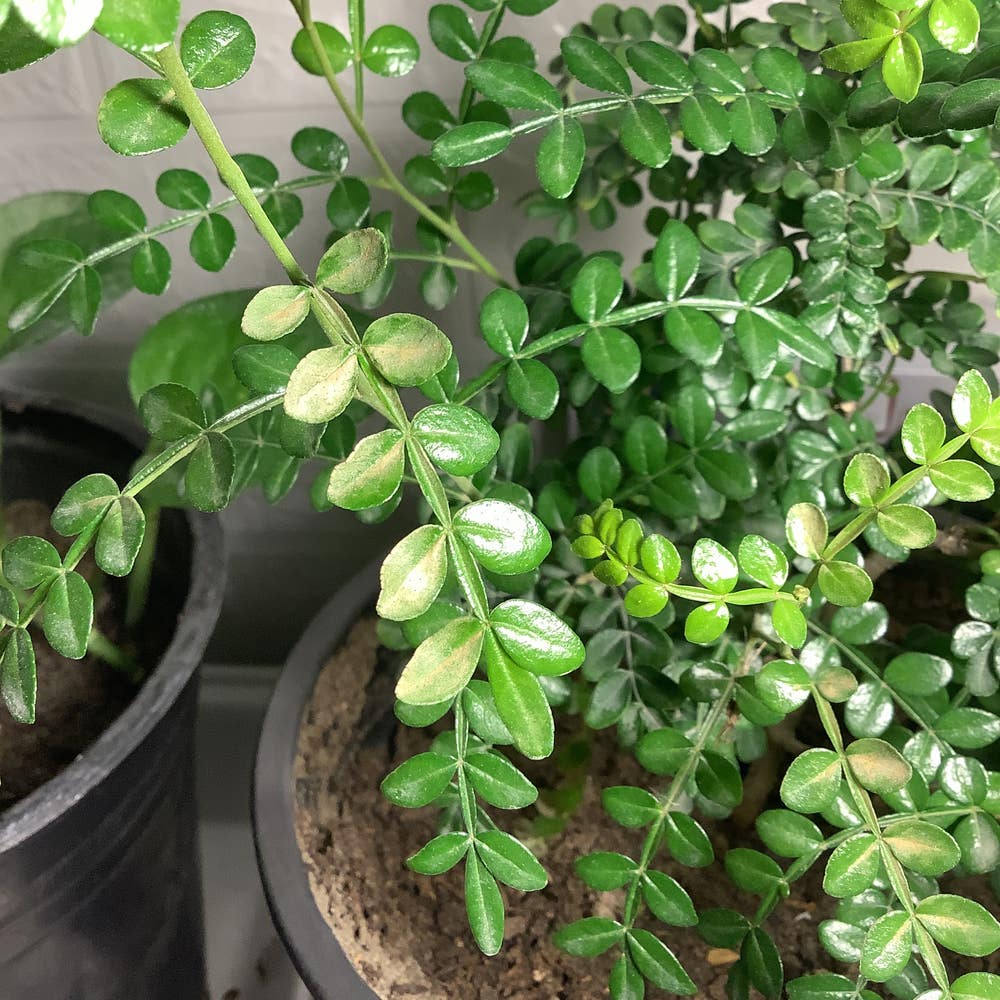
🌡 What Is A Good Temperature Range For My Wild Lime?
Zanthoxylum fagara
By the Greg Editorial Team
Jun 18, 2024•3 min read
This article was created with the help of AI so we can cover more plants for you. May contain errors. See one? Report it here.
- Day 65-85°F, night 55-65°F - Ideal temperature range for Wild Lime.
- Protect from frost and sunburn - Move indoors in winter, shade in summer.
- Watch for leaf discoloration, wilting - Signs of temperature stress affecting growth and fruiting.
Dialing in the Perfect Temperature for Wild Lime
🌡️ Daytime Delight: Ideal Daytime Temperatures
Wild Lime trees bask in the warmth, with daytime temperatures between 65-85°F (18-29°C) hitting the sweet spot. This range allows for robust growth and zesty fruit production. Too much deviation can lead to a lackluster performance, so keep an eye on the mercury.
🌜 Night Moves: Ideal Nighttime Temperatures
When the sun dips, Wild Lime prefers a slight chill, with nighttime temps ideally hovering between 55-65°F (13-18°C). This mimics the natural drop in temperature they would experience in their native habitat, ensuring restful recovery after a day of photosynthesizing.
🌦️ Seasonal Shifts: Adjusting for Winter and Summer
As seasons twist and turn, your Wild Lime's comfort zone needs tweaking. Winter may call for moving your citrus buddy indoors to avoid the cold shoulder of frost. In summer, avoid the drama of sunburn by providing shade during the midday heatwave. Remember, stability is key; sudden temperature swings are the nemesis of your lime's well-being.

When Your Wild Lime Feels the Heat: Recognizing Temperature Stress
🌡️ Visual SOS: Spotting the Signs
Leaf discoloration and wilting are your Wild Lime's way of waving a white flag. If the leaves are looking more like autumn than spring, it's a sign they're feeling the heat. Crispy leaves? Too hot. Mushy spots? Too cold.
The Consequences of Ignoring the Signs
Ignoring these signs can lead to a growth stunt or a fruiting fiasco. Your Wild Lime isn't just being dramatic; it's genuinely struggling. Let the stress go on too long, and you'll be left with a tree that's all leaves and no limes.

Keeping Your Cool: Preventing Temperature Extremes
❄️ Battling the Frost: Protecting from Cold Snaps
Insulation is your Wild Lime's best friend when winter's chill comes knocking. Wrap it up snug in frost cloths or burlap to fend off the cold. Think of it as a warm hug for your tree. For potted pals, moving them indoors or to a sheltered spot is like giving them a ticket out of the freeze zone.
🔥 Beating the Heat: Safeguarding Against Scorching Temps
When the sun's on a rampage, shade is the name of the game. Use sunshades or light cloth to shield your Wild Lime during peak hours. Watering is crucial, but timing is everything—early morning or late evening is prime time to avoid leaf scorch. It's all about keeping things cool without going overboard.
Quick Touch on Humidity: The Sidekick to Temperature
Humidity is crucial for your Wild Lime's well-being, acting as a silent partner to temperature in the plant comfort dance.
💧 The Humidity Balance
Wild Lime thrives when humidity complements its temperature needs. Aim for a humidity level that mirrors the plant's natural habitat—neither a desert nor a rainforest.
🌡 Monitoring Humidity
Forget guesswork. A hygrometer is your best friend, giving you the lowdown on moisture levels in the air.
🌬 Adjusting Humidity
If your air is Sahara-dry, consider a humidifier. Conversely, if you're living in a steam bath, it's time to bring out the dehumifier.
🌿 Plant Community Hack
Group your plants to create a microclimate. They'll swap moisture like juicy gossip, maintaining a more consistent humidity level.
🌧 Humidity and Health
Keep an eye on the hygrometer; it's the snitch that tells you when the air's too dry or too damp for your Wild Lime.
⚠️ Safety First
This content is for general information and may contain errors, omissions, or outdated details. It is not medical, veterinary advice, or an endorsement of therapeutic claims.
Always consult a qualified healthcare professional before using any plant as food, medicine, or supplement.
Never eat any plant (or feed one to pets) without confirming its identity with at least two trusted sources.
If you suspect poisoning, call Poison Control (800) 222-1222, the Pet Poison Helpline (800) 213-6680, or your local emergency service immediately.
Spotted an error? Please report it here.
Keep your Wild Lime tree thriving 🌿 with Greg's personalized reminders to shield it from temperature swings and ensure it always enjoys its preferred climate!