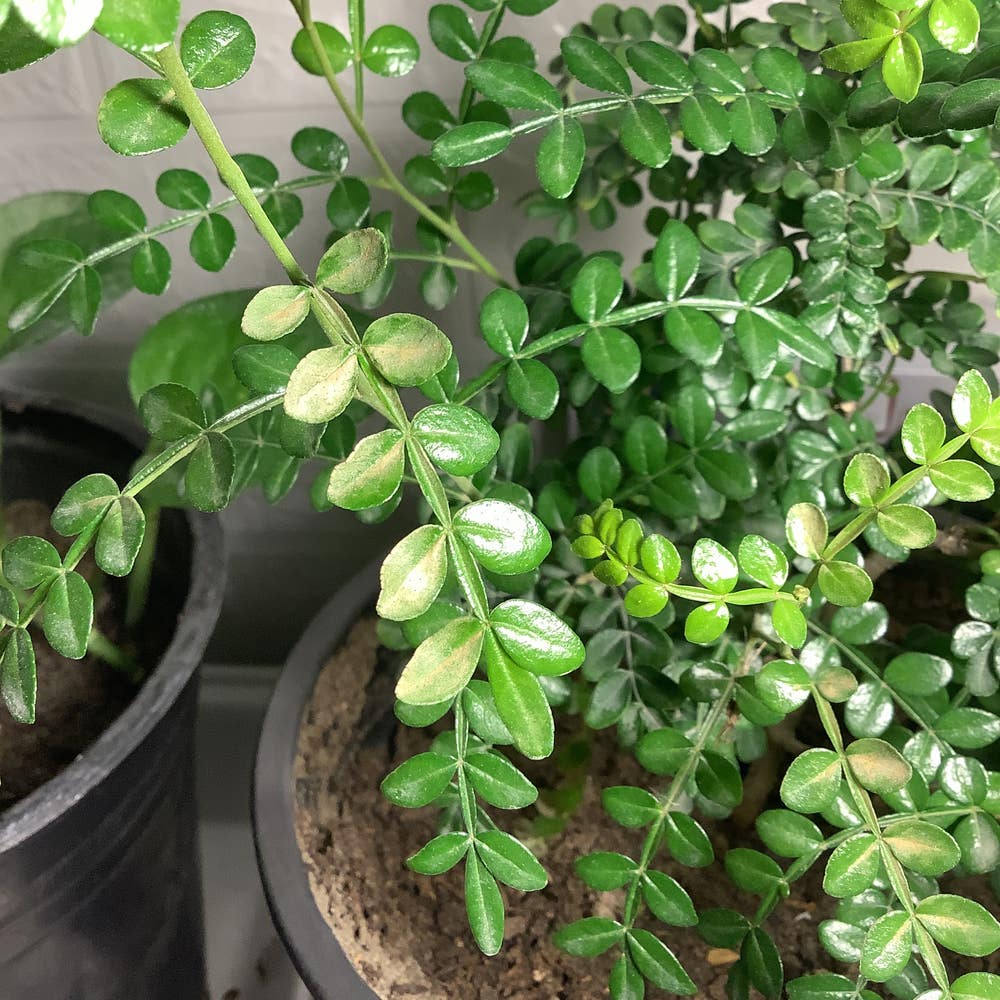
Ultimate Guide for When to Plant Wild Lime 🍈
Zanthoxylum fagara
By the Greg Editorial Team
Sep 30, 2024•6 min read
This article was created with the help of AI so we can cover more plants for you. May contain errors. See one? Report it here.
- 🌱 Plant wild lime after the last frost to protect seedlings from cold damage.
- 🌡️ Optimal soil temperature for planting is 65°F to 75°F for healthy growth.
- 📅 Regional climate knowledge is vital; planting times vary across states.
Importance of Frost Dates
🌨️ Determining Frost Dates
Understanding frost dates is crucial for successful wild lime planting. The last frost date signals the end of frost risk in spring, while the first frost date marks the onset of frost risk in fall.
❄️ Why Frost Dates Matter for Wild Lime
Wild lime is particularly sensitive to frost. Planting too early can lead to damaged seedlings, jeopardizing your gardening efforts.
To ensure healthy growth, aim to plant wild lime after the last frost date in your region. This timing helps protect your plants from unexpected cold snaps and promotes robust development.
By keeping an eye on these dates, you set the stage for a thriving wild lime garden. Next, let’s explore how soil temperature plays a vital role in your planting success.
Understanding Soil Temperature
Ideal Soil Temperature 🌡️
For wild lime, the optimal soil temperature ranges from 65°F to 75°F (18°C to 24°C). This temperature is crucial because it directly influences seed germination and root development.
Cold soil can be detrimental, delaying growth and making plants more susceptible to diseases. Ensuring your soil is within this ideal range will set your wild lime up for success.
Measuring Soil Temperature 📏
To accurately measure soil temperature, use a soil thermometer or a digital probe. These tools provide a reliable reading to help you gauge when conditions are right for planting.
It's best to check the soil temperature about a week before your planned planting date. This timing allows you to make any necessary adjustments to your planting schedule based on the readings.
Understanding soil temperature is vital for successful wild lime cultivation. With the right conditions, your plants will thrive and produce bountifully.
Next, let’s explore the role of day length in the growth of wild lime.
The Role of Day Length
Day Length for Growth 🌱
Day length, or the duration of daylight hours, plays a crucial role in plant growth cycles. For wild lime, longer daylight hours are essential for optimal flowering and fruiting.
Importance of Day Length ☀️
Wild lime thrives with 12 to 14 hours of light each day. This extended exposure to sunlight boosts photosynthesis, leading to healthier plants and more abundant fruit.
Practical Considerations 🗓️
When planning your planting schedule, consider the natural light patterns in your region. Aligning your planting time with the increasing daylight can significantly enhance growth potential.
Conclusion 📈
Understanding the role of day length is vital for successful wild lime cultivation. As you prepare for planting, keep an eye on the daylight hours to ensure your plants get the best start possible.
Next, we’ll explore regional planting considerations to help you determine the best months for planting wild lime in your area.
Regional Planting Considerations
Ideal Planting Months 🌱
When it comes to planting Wild Lime, timing is everything. Each region has its unique climate, which directly influences the best months for planting.
Florida
In Florida, the ideal planting window is from March to April. The warm temperatures and minimal frost risk create a perfect environment for Wild Lime to thrive.
California
For California, aim for March to May. The mild climate and longer day lengths during this period support robust growth.
Texas
In Texas, the best time to plant is also March to April. Early spring warmth and low frost risk make this an excellent choice for Wild Lime enthusiasts.
New York
New Yorkers should wait until late May to June. This timing helps avoid late frost risks and allows the soil to warm adequately.
Colorado
In Colorado, the planting window shifts to June to July. This timing accounts for late spring frost and ensures that soil temperatures are on the rise.
Ohio
Finally, Ohio residents should plant from late May to June. Here, it's crucial to consider frost risks and soil temperature to ensure successful growth.
Understanding these regional planting considerations will set you up for success. With the right timing, your Wild Lime plants can flourish beautifully. Next, let’s dive into seed starting techniques to maximize your planting efforts!
Seed Starting Techniques
🌱 Starting Seeds Indoors vs. Direct Sowing
When it comes to planting wild lime, you have two primary methods: starting seeds indoors or direct sowing. Each method has its own timing and benefits, making it essential to choose the right one for your situation.
🏠 Starting Seeds Indoors
Starting seeds indoors is a moderate-difficulty technique that requires some planning. Aim to start your seeds 6-8 weeks before the last frost date in your area.
- Controlled Environment: This method allows you to create an ideal environment for germination.
- Stronger Seedlings: By nurturing your seedlings indoors, you can produce healthier plants that are more resilient when transplanted.
🌍 Direct Sowing
Direct sowing is an easier option, perfect for those who prefer simplicity. This method should be done after the last frost date when soil temperatures are optimal.
- Simplicity: You can skip the indoor setup and plant directly in the ground.
- Reduced Transplant Shock: Since the seeds grow in their final location, they adapt better to their environment.
⏰ Timing Considerations
Regardless of the method you choose, timing is crucial.
- Monitor Local Frost Dates: Keep an eye on your area's frost dates to ensure successful planting.
- Adjust Based on Climate: Be flexible and adjust your seed starting times according to regional climate variations.
By understanding these seed starting techniques, you can set yourself up for a successful wild lime planting experience. Next, let’s explore the comprehensive planting calendar to see when to plant in various states.
Comprehensive Planting Calendar
🌱 Planting Wild Lime in All 52 States
When it comes to planting wild lime, timing is everything. Each state has its unique climate, which influences the best months for planting.
- Florida: March-April is ideal, as the warm temperatures and minimal frost risk create a perfect environment.
- California: Aim for March-May, where the mild climate and longer day lengths support healthy growth.
- Texas: March-April works well, taking advantage of early spring warmth and low frost risk.
- New York: Late May to June is best, allowing the soil to warm up after the late frost risk.
- Colorado: June to July is recommended, as late spring frost can delay planting.
- Ohio: Late May to June is optimal, considering frost risk and soil temperature.
⏰ Factors Influencing Planting Times
Understanding the factors that influence planting times can make a significant difference in your wild lime success.
Climate Zones
Familiarize yourself with USDA hardiness zones. These zones help you determine which plants thrive in your area based on temperature extremes.
Local Weather Patterns
Keep an eye on local weather patterns. Frost dates and temperature fluctuations can vary significantly, impacting your planting schedule.
Soil Conditions
Well-drained soils are crucial for successful growth. Poor soil conditions can hinder root development and overall plant health.
By considering these factors, you can optimize your wild lime planting strategy. This approach not only enhances your chances of success but also deepens your connection to the growing process.
Next, let’s explore effective seed starting techniques to ensure your wild lime thrives from the very beginning.
⚠️ Safety First
This content is for general information and may contain errors, omissions, or outdated details. It is not medical, veterinary advice, or an endorsement of therapeutic claims.
Always consult a qualified healthcare professional before using any plant as food, medicine, or supplement.
Never eat any plant (or feed one to pets) without confirming its identity with at least two trusted sources.
If you suspect poisoning, call Poison Control (800) 222-1222, the Pet Poison Helpline (800) 213-6680, or your local emergency service immediately.
Spotted an error? Please report it here.
Plant your wild lime at the perfect time 🌱 with Greg's tailored reminders and soil tracking, ensuring your seedlings flourish in ideal conditions!