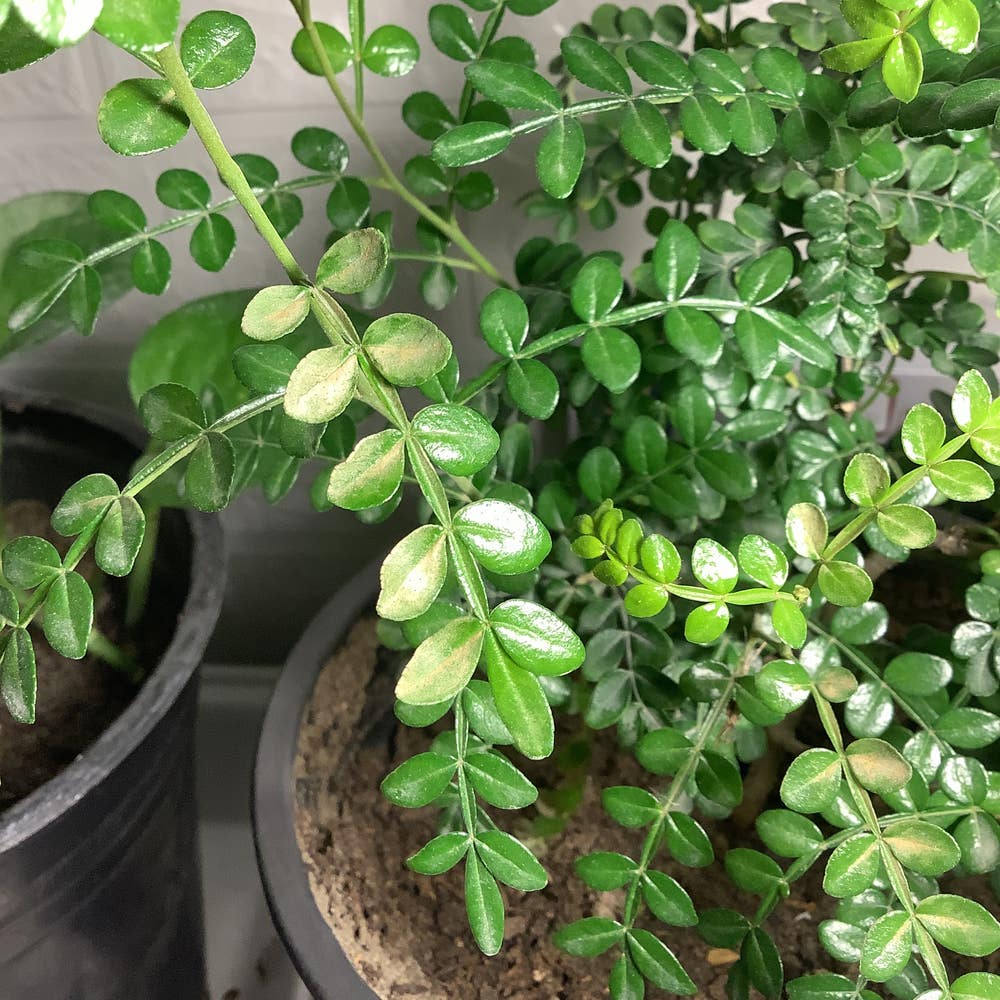
3 Best Companion Plants for Wild Lime 🍋
Zanthoxylum fagara
By the Greg Editorial Team
Sep 30, 2024•4 min read
This article was created with the help of AI so we can cover more plants for you. May contain errors. See one? Report it here.
- 🌼 Lemon Balm, Marigolds, and Basil are top companions for Wild Lime, enhancing growth.
- 🐞 Companion plants attract beneficial insects, providing natural pest control for Wild Lime.
- 🎨 Thoughtful plant selection creates a vibrant, healthy garden ecosystem around Wild Lime.
Best Companion Plants for Wild Lime
Plant 1: Lemon Balm 🌿
Lemon Balm is a perennial herb celebrated for its fragrant leaves and delicate white flowers. This plant thrives in well-drained soil and can flourish in full sun to partial shade.
Lemon Balm is drought-tolerant once established, making it a great companion for Wild Lime. Its ability to attract pollinators and beneficial insects enhances your garden's ecosystem.
Plant 2: Marigold 🌼
Marigolds are known for their brightly colored annual flowers, which not only brighten up your garden but also boast impressive pest-repelling properties. They prefer full sun and well-drained soil, and they can tolerate drought conditions.
These vibrant flowers are effective in repelling nematodes and other harmful pests. Plus, they add a splash of color that can elevate the visual appeal of your garden.
Plant 3: Basil 🌱
Basil is an aromatic herb with broad green leaves and small white flowers that can enhance your garden's diversity. It requires well-drained soil and full sun, along with moderate watering to thrive.
This herb is particularly effective at repelling pests like flies and mosquitoes. Additionally, it can enhance the flavor of nearby plants, making it a valuable addition to your garden.
By incorporating these companion plants, you can create a thriving environment for your Wild Lime while enjoying the benefits of pest control and visual appeal.
Pest Management
🛡️ How Companion Plants Help with Pest Control
Companion plants are nature's little warriors against pests. They deter unwanted insects through their unique scents and chemical compounds, creating a less inviting environment for pests.
Additionally, these plants play a crucial role in attracting beneficial insects like ladybugs and lacewings. These helpful allies feast on common garden pests, providing a natural form of pest control.
🐜 Specific Pests that Wild Lime May Attract
Wild Lime can attract several pesky intruders, including aphids, whiteflies, and scale insects. These pests can wreak havoc on your plants if left unchecked.
Companion plants can help mitigate these issues effectively. For instance, marigolds are known to repel nematodes, while lemon balm attracts predatory insects that feast on aphids and whiteflies.
By integrating these companions into your garden, you create a balanced ecosystem that supports your Wild Lime and keeps pests at bay.
Visual Appeal
Aesthetic Benefits of Companion Planting with Wild Lime 🌿
Companion planting with Wild Lime not only boosts plant health but also enhances the overall garden design. The interplay of colors and textures creates a visually appealing landscape that draws the eye and invites exploration.
Visual appeal plays a crucial role in attracting pollinators and garden visitors. A well-designed garden can transform a simple space into a vibrant ecosystem, encouraging beneficial insects to thrive.
Color and Texture Combinations with Selected Companions 🎨
Lemon Balm's soft green leaves beautifully complement Wild Lime's lush foliage. This harmonious pairing creates a serene backdrop that enhances the garden's natural beauty.
In contrast, Marigold's bright yellows and oranges add a splash of color against Wild Lime's flowers. This vibrant combination not only pleases the eye but also contributes to a lively garden atmosphere.
By thoughtfully selecting companion plants, you can create a stunning visual tapestry that supports both aesthetics and biodiversity. This approach not only elevates your garden's charm but also fosters a thriving environment for all its inhabitants.
Plants to Avoid
🌱 Incompatible Companions for Wild Lime
When planning your garden, it's crucial to know which plants to steer clear of. Two notable examples are Fennel and Rue.
🚫 Reasons for Incompatibility
These plants can compete fiercely for nutrients and water resources, leaving your Wild Lime struggling to thrive.
Additionally, they may attract pests that could harm your Wild Lime, creating an unnecessary headache for you as a gardener.
Moreover, some plants like Rue can have allelopathic effects, potentially inhibiting the growth or overall health of your Wild Lime.
By avoiding these incompatible companions, you can ensure a healthier and more productive garden environment.
As you consider your planting options, remember that the right companions can make all the difference in your garden's success.
Next, let's explore the aesthetic benefits of companion planting with Wild Lime.
⚠️ Safety First
This content is for general information and may contain errors, omissions, or outdated details. It is not medical, veterinary advice, or an endorsement of therapeutic claims.
Always consult a qualified healthcare professional before using any plant as food, medicine, or supplement.
Never eat any plant (or feed one to pets) without confirming its identity with at least two trusted sources.
If you suspect poisoning, call Poison Control (800) 222-1222, the Pet Poison Helpline (800) 213-6680, or your local emergency service immediately.
Spotted an error? Please report it here.
Transform your garden into a vibrant ecosystem 🌼 by pairing Wild Lime with companion plants like Lemon Balm and Marigolds, and let Greg guide you with tailored care tips for thriving plants!