🍋 4 Essential Outdoor Wild Lime Care Routines
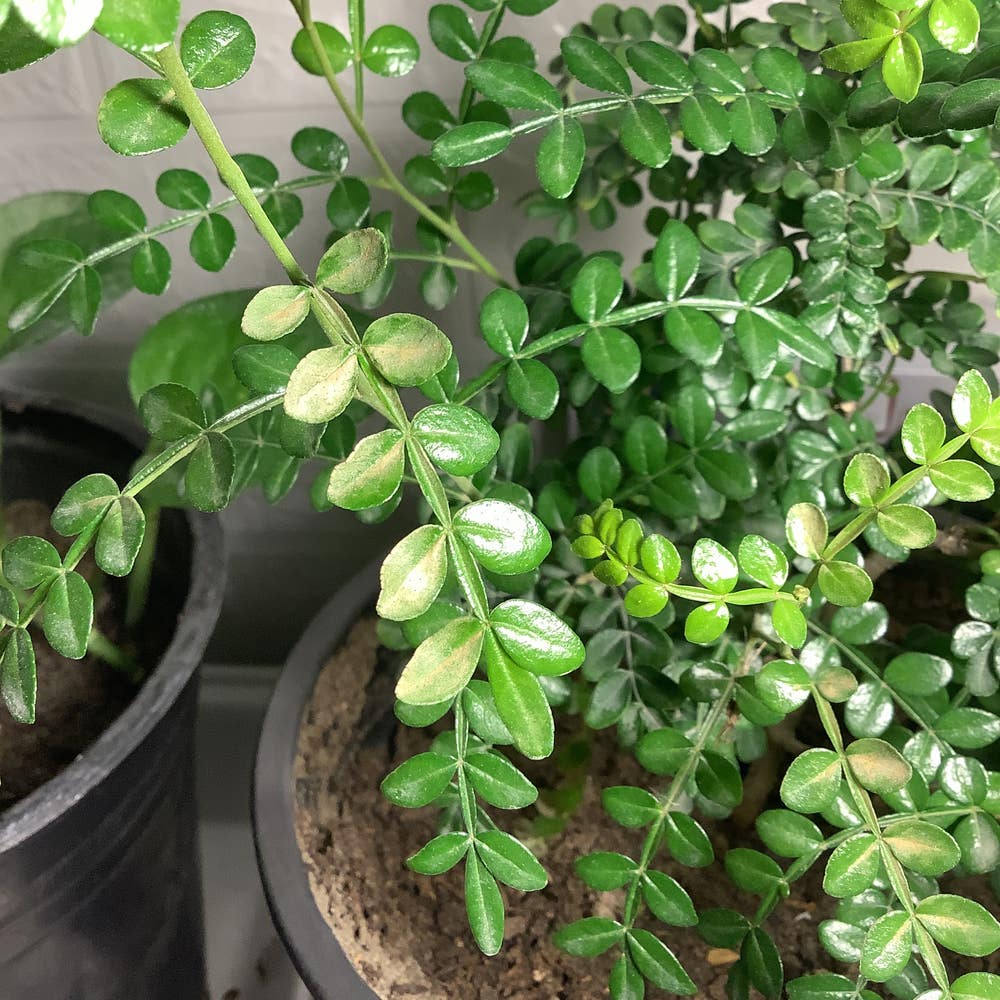
Zanthoxylum fagara
By the Greg Editorial Team
Sep 30, 2024•5 min read
This article was created with the help of AI so we can cover more plants for you. May contain errors. See one? Report it here.
- ☀️ Wild lime needs 6-8 hours of sunlight for optimal growth and fruiting.
- 💧 Water deeply once a week, adjusting for heat to prevent wilting or rot.
- 🌱 Use well-draining soil and organic matter for healthy wild lime growth.
Sunlight Requirements
Ideal Exposure 🌞
Wild lime thrives in full sun, needing at least 6-8 hours of direct sunlight each day. This exposure is crucial for promoting healthy growth and ensuring a bountiful fruit production.
Adjustments for Partial Shade 🌥️
While wild lime can tolerate partial shade, this may result in a reduced fruit yield. If you notice leggy growth, fewer flowers, or smaller fruits, it’s a sign that your plant isn’t getting enough light.
Understanding these sunlight requirements is key to nurturing your wild lime. With the right exposure, you’ll set the stage for a vibrant, fruitful plant that brings joy to your outdoor space.
Watering Needs
General Guidelines 🌊
Watering your Wild Lime is crucial for its health. Aim to water deeply once a week, increasing frequency during hot weather to keep your plant thriving.
Maintaining consistent soil moisture is key. Avoid waterlogging, as this can lead to root issues.
Signs of Overwatering vs. Underwatering 🚰
Recognizing the signs of overwatering is essential. Look for yellowing leaves and root rot, which indicate too much water.
On the flip side, underwatering shows up as wilting leaves and dry soil. Keep an eye on these indicators to ensure your Wild Lime stays healthy and productive.
With proper watering, your Wild Lime will flourish, setting the stage for the next essential care routine: soil preferences.
Soil Preferences
Ideal Composition 🌱
Wild lime thrives in well-draining soil, ideally sandy loam or loamy mixes. This type of soil allows for optimal root growth and nutrient absorption.
The pH level is crucial too; aim for slightly acidic to neutral, between 6.0 and 7.0. This balance ensures that your wild lime can access essential nutrients effectively.
Amendments 🌿
To enhance soil quality, incorporate organic matter like compost. This addition improves drainage and boosts nutrient content, creating a healthy environment for your plant.
Mulching is another effective strategy. Using organic mulch helps retain moisture and regulates soil temperature, providing a stable habitat for your wild lime.
With the right soil conditions, your wild lime will flourish, setting the stage for vibrant growth and fruitful yields.
Next, let’s explore the fertilization needs to keep your wild lime healthy and productive.
Fertilization
Recommended Schedule 🌱
To keep your Wild Lime thriving, use a balanced NPK fertilizer, like a 10-10-10 mix, or opt for citrus-specific fertilizers. Apply this every 6-8 weeks during the growing season to ensure your plant gets the nutrients it needs.
Signs of Nutrient Deficiency ⚠️
Watch for yellowing leaves, which often signal nitrogen deficiency. If you notice poor fruit development, it might indicate a lack of potassium or phosphorus, so keep an eye out for these signs to maintain healthy growth.
With proper fertilization, your Wild Lime will flourish, setting the stage for a bountiful harvest. Next, let’s explore effective protection strategies to safeguard your plant from environmental challenges.
Protection Strategies
🌨️ Weather Protection Techniques
To keep your Wild Lime thriving, weather protection is essential. During cold snaps, use frost cloths or blankets to shield your plants from frost damage.
In extreme heat, shade cloth can be a lifesaver. It helps prevent sunburn and keeps your plants from wilting under the scorching sun.
🐜 Common Outdoor Pests
Pests can be a real nuisance, but you can tackle them effectively. For aphids, insecticidal soap or neem oil works wonders in keeping these pesky bugs at bay.
Scale insects require a different approach. Manual removal or applying horticultural oil can help control their population and protect your plants.
🦠 Diseases and Prevention
Preventing diseases is crucial for a healthy Wild Lime. Root rot is a common issue, so ensure proper drainage and avoid overwatering to keep your roots happy.
Citrus greening disease is another concern. Regularly monitor your plants for symptoms and promptly remove any infected specimens to protect your garden.
By implementing these protection strategies, you can ensure your Wild Lime remains healthy and productive. Next, let’s dive into the seasonal care routines that will keep your plant thriving throughout the year.
Seasonal Care
Spring Routines 🌱
Spring is the perfect time to rejuvenate your Wild Lime. Start by pruning any dead or damaged branches; this encourages new growth and keeps your plant healthy.
Next, apply a balanced fertilizer as new growth begins. This will provide the essential nutrients your Wild Lime needs to thrive.
Summer Routines ☀️
As temperatures rise, increase your watering frequency. Monitor soil moisture closely to ensure your plant stays hydrated during the hot months.
Don't forget about pest monitoring! Regularly check for any signs of pests to catch issues early and keep your plant thriving.
Fall Routines 🍂
Fall is all about harvesting. Collect fruits as they ripen for the best flavor and freshness.
Prepare for winter by applying mulch around the base of your plant. This helps protect the roots and retains moisture during the colder months.
Winter Routines ❄️
If you have container plants, consider moving them indoors to shield them from harsh winter conditions. This transition can help maintain their health.
For ground-planted Wild Lime, implement frost protection measures. Use frost cloths or blankets during cold snaps to keep your plants safe.
With these seasonal care routines, your Wild Lime will flourish year-round. Next, let’s explore the best climate zones for optimal growth.
Climate Zone Considerations
Best Zones 🌞
Wild lime thrives best in USDA zones 9-11. These regions offer the warm temperatures essential for healthy growth and fruit production.
Adaptations for Different Climates 🌍
In tropical climates, wild lime requires minimal protection. Regular care, such as consistent watering and occasional fertilization, typically suffices.
In temperate climates, however, you’ll need to pay more attention. Frost protection and indoor care become crucial as temperatures drop.
Special Considerations ⚠️
Heavy rains can pose a risk to wild lime. Ensure proper drainage to prevent root rot, which can devastate your plant.
During heatwaves, provide shade and increase watering frequency. This helps your wild lime cope with extreme conditions and maintain its vitality.
With these climate considerations in mind, you can ensure your wild lime flourishes no matter where you are. Next, let’s dive into seasonal care routines to keep your plant thriving throughout the year.
⚠️ Safety First
This content is for general information and may contain errors, omissions, or outdated details. It is not medical, veterinary advice, or an endorsement of therapeutic claims.
Always consult a qualified healthcare professional before using any plant as food, medicine, or supplement.
Never eat any plant (or feed one to pets) without confirming its identity with at least two trusted sources.
If you suspect poisoning, call Poison Control (800) 222-1222, the Pet Poison Helpline (800) 213-6680, or your local emergency service immediately.
Spotted an error? Please report it here.
Nurture your wild lime for a bountiful harvest 🍋 with Greg's tailored watering alerts and expert care tips that keep your plant thriving all year round!