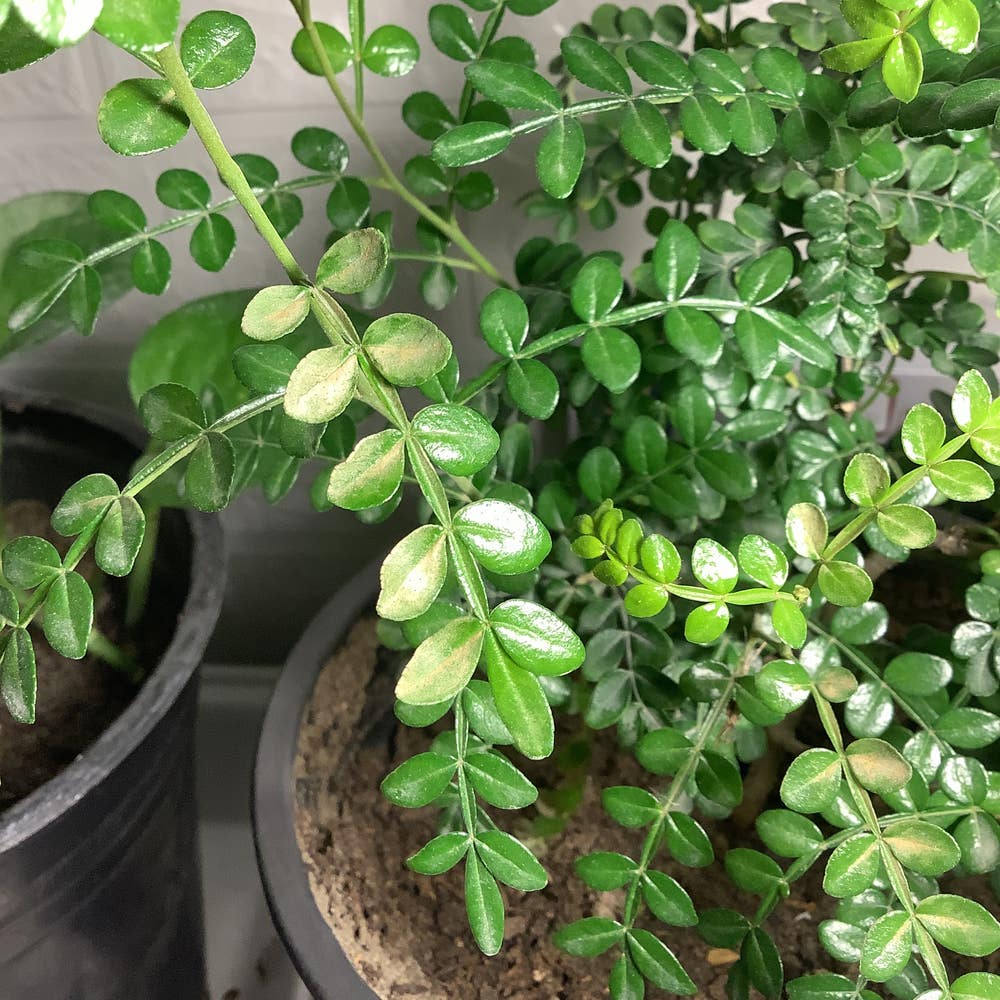
How to Know When to Repot a Wild Lime?
Zanthoxylum fagara
By the Greg Editorial Team
Feb 07, 2024•4 min read
This article was created with the help of AI so we can cover more plants for you. May contain errors. See one? Report it here.
- 🌱 Peeking roots and slow drainage signal it's repotting time.
- 📏 Choose a pot one size up with the right material balance.
- 💧 Post-repot care: water thoroughly, then monitor and adjust.
Spotting the Tell-Tale Signs to Repot
🌱 Root Clues: The Great Escape
Roots should be the unseen heroes, not escape artists. Peeking roots at the bottom signal a jailbreak attempt due to cramped quarters. If your Wild Lime's roots are making a surprise appearance outside the pot, it's time for a new cell.
💧 Water Woes: Drainage Drama
When water sits atop the soil like a lazy frog, or the pot takes ages to drain, it's a red flag. Slow drainage indicates a traffic jam below the surface—too many roots, not enough soil. Conversely, if water races through like it's on a slip 'n slide, your plant's roots are too packed to hold moisture.
🌱 Growth Gripes: The Stunt Double
If your Wild Lime's growth has hit a wall, it's not just being stubborn. Slowed growth and leaves that droop like they've given up on life are cries for help. A pot bulging at the seams is a clear sign your plant is too big for its britches.
Picking the Perfect Pot
When your Wild Lime outgrows its current home, size and material are your top considerations for a new pot.
📏 Size Matters: Finding the Right Fit for Your Wild Lime
Go up one size—a pot that's too large can drown your plant's roots in soil and moisture. A good rule of thumb is choosing a pot that's about 2 inches larger in diameter than the current one.
🏺 Material Match-up: Weighing the Pros and Cons
Material choice is a balancing act between aesthetics and functionality.
Terracotta vs. Plastic vs. Ceramic
- Terracotta: This porous material excels in moisture management, allowing soil to dry evenly. It's like a breathable cotton tee for your plant's roots but can be hefty to move.
- Plastic: These pots are lightweight champions and retain moisture, which can be a boon or bane depending on your watering habits. They're the flip-flops of the pot world—casual and easy, but not always suitable for every situation.
- Ceramic: A stylish hybrid, ceramic pots offer less breathability than terracotta but more than plastic. They're the sneakers of pots—versatile and fashionable, though often heavier and pricier. Make sure they have drainage holes to prevent waterlogging.
Remember, your Wild Lime doesn't need a palace, just a comfortable, well-draining space to continue thriving.
The Repotting Rundown
Preparation is key when it's time to give your Wild Lime a new home. Gather your tools: a clean pot with drainage holes, a trowel, scissors, and your chosen potting mix. Make sure everything is sterilized – think surgeon, not gardener.
🌱 Soil Savvy
For the Wild Lime, soil is everything. Whip up a well-draining mix, rich in organic matter. Slight acidity is a plus, but don't sweat the pH too much. Your plant isn't picky, it just craves quality real estate.
🔄 Step-by-Step Repotting
🌿 Out with the Old
Gently coax your plant from its old pot. If it clings, a tap and a squeeze should do the trick. Inspect the roots; snip the sad ones. No need for a buzz cut, just a little trim for those that have outgrown their space.
🏡 In with the New
Layer fresh mix at the bottom of the new pot. Set your Wild Lime in, ensuring it's not too deep or shallow. Fill around with more mix, tap to settle, then water. No tamping; you're not packing a suitcase.
🌱 Post-Repotting Care
💧 Watering Wisdom
After the move, give your plant a good soak. Then, let the top inch of soil dry out before the next watering. Balance is key – your Wild Lime likes its drinks, but it doesn't want to swim.
🌿 Settling In
Monitor your plant. A little droop post-move is normal; a week-long wilt is not. If leaves yellow, reassess your watering. Rotate the pot to keep growth even. Remember, it's not just a plant, it's your leafy companion adjusting to its upgraded digs.
⚠️ Safety First
This content is for general information and may contain errors, omissions, or outdated details. It is not medical, veterinary advice, or an endorsement of therapeutic claims.
Always consult a qualified healthcare professional before using any plant as food, medicine, or supplement.
Never eat any plant (or feed one to pets) without confirming its identity with at least two trusted sources.
If you suspect poisoning, call Poison Control (800) 222-1222, the Pet Poison Helpline (800) 213-6680, or your local emergency service immediately.
Spotted an error? Please report it here.
Ensure your wild lime's roots 🍋 flourish by using Greg to monitor post-repotting conditions and get timely reminders for the perfect pot transition!